England Grapples with Severe Drought as Water Shortages Loom
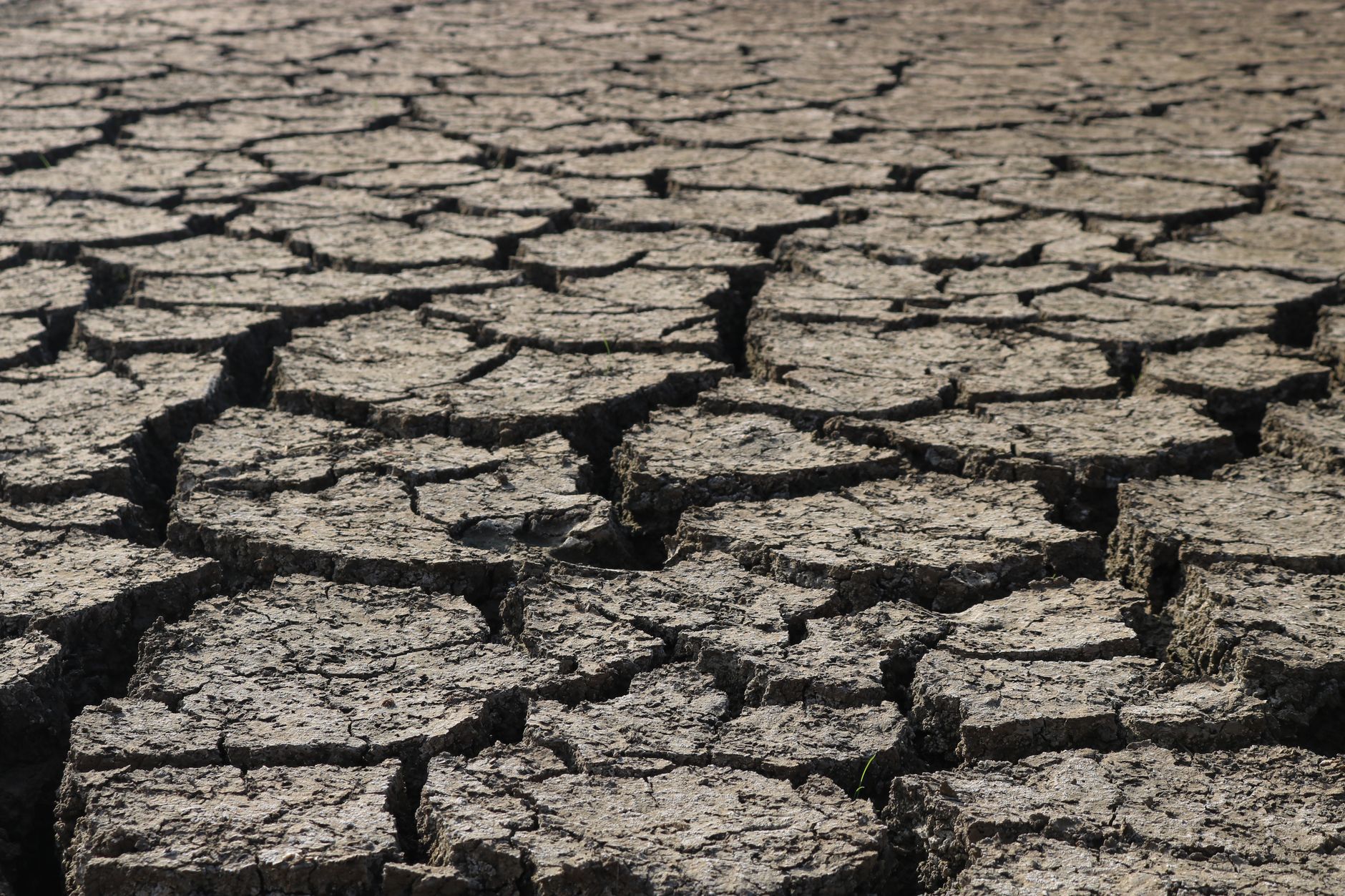
In a dramatic turn of events, half of England has been declared officially in drought, marking a stark shift from the wet winter that replenished water levels earlier this year. The Environment Agency's announcement follows a period of record-low rainfall and unrelenting heat, leading to a so-called 'flash drought'.
The declaration affects seven areas, encompassing much of central and eastern England. This rapid development of drought conditions poses significant challenges for water management and agriculture, with reservoirs running perilously low and farmers facing potential crop failures.
From Floods to Drought
January saw England drenched with 150 per cent of its long-term average rainfall, a deluge that seemed to promise a buffer against summer dry spells. However, the severe lack of rainfall in subsequent months has left the country parched. July is on track to be the driest on record, exacerbating concerns over water shortages.
Experts warn that the drought could have long-lasting impacts. Water restrictions are already being considered, with authorities urging the public to conserve water wherever possible. The agricultural sector, heavily reliant on consistent rainfall, is bracing for reduced yields and increased costs.
Environmental and Economic Concerns
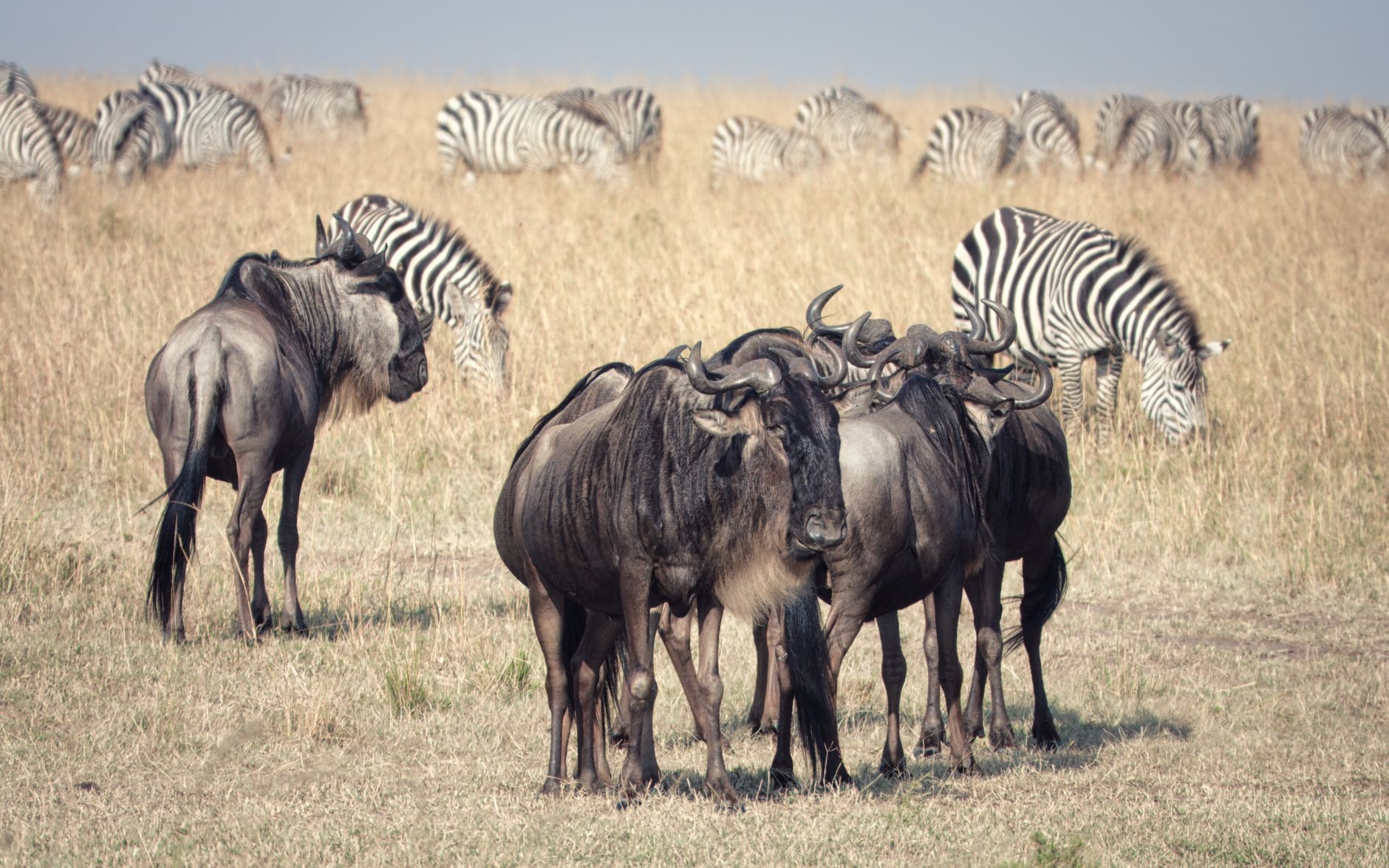
The drought is not just a matter of inconvenience but a significant environmental challenge. Rivers and lakes are shrinking, affecting wildlife and ecosystems that depend on stable water levels. Additionally, the economic repercussions could be severe, with increased pressure on food supplies potentially leading to higher prices.
As climate change continues to alter weather patterns, such extreme conditions may become more frequent. The current drought serves as a stark reminder of the urgency to develop sustainable water management practices and adapt to a rapidly changing climate.