England's Riverbanks: A Hidden Wilderness Out of Reach
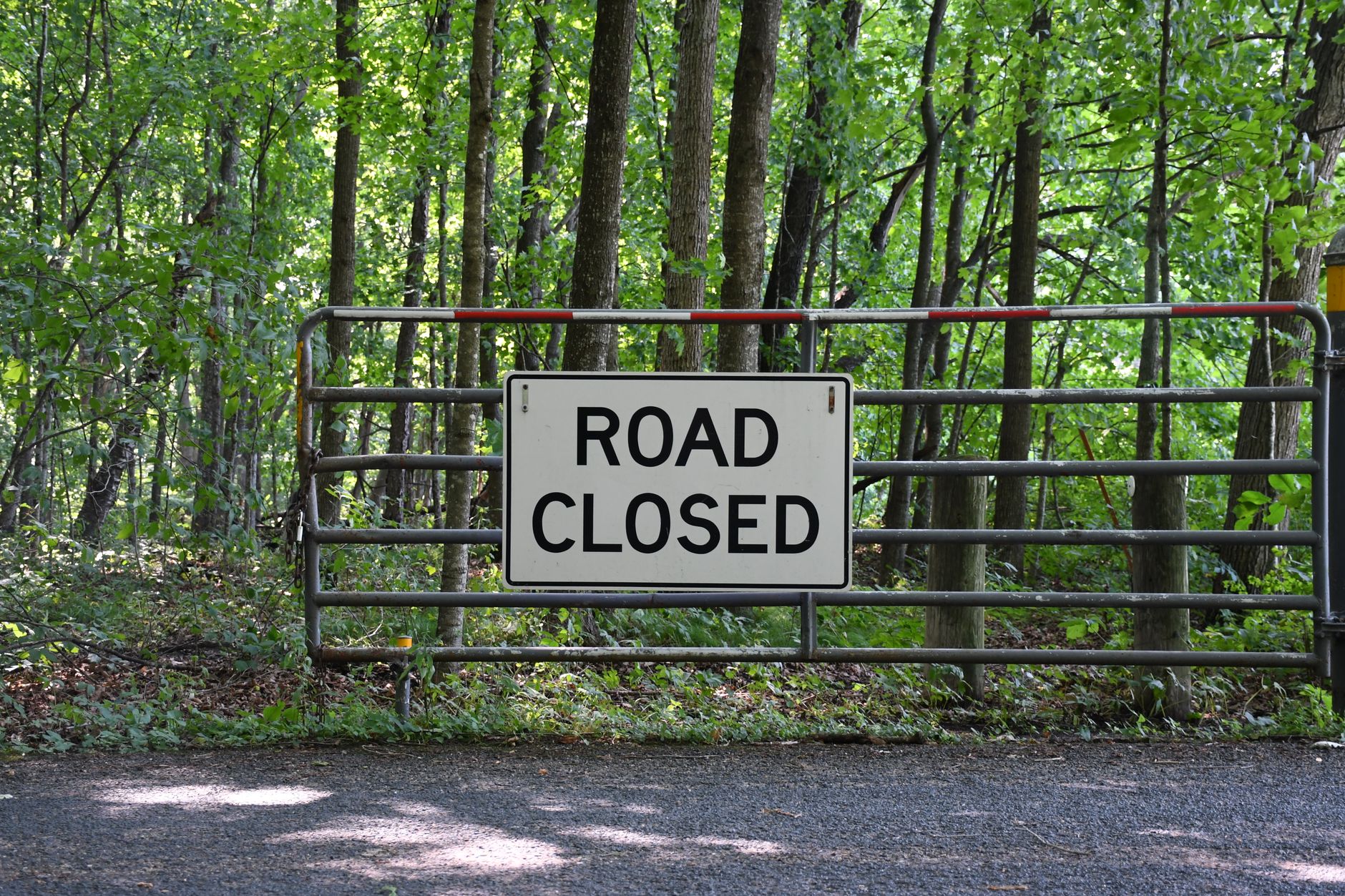
Across England's picturesque landscape, a silent barrier stands between the public and the nation's rivers. Recent figures suggest that a staggering 71% of riverbanks remain inaccessible within 100 metres, offering a stark reminder of the limitations imposed by private land ownership.
This revelation has reignited debates over public access to natural resources, a topic that has long simmered beneath the surface of environmental policy discussions. England, known for its rolling hills and serene waterways, paradoxically restricts its populace from enjoying these natural wonders. Even in the celebrated expanses of the New Forest, nearly half of the riverbanks are out of reach.
The Geography of Inaccessibility
The data, drawn from 89 river catchments, paints a uniform picture of exclusion, regardless of whether the rivers meander through bustling urban centres or tranquil rural landscapes. In regions like Severn Middle Shropshire, the situation is more pronounced, with up to 90% of riverbanks denied to the public.
This is not merely a matter of leisure; it touches upon broader issues of environmental stewardship and the rights of citizens to connect with their natural heritage. The Campaign for National Parks highlights that even within national parks, a significant portion remains privately owned, adding another layer to the accessibility dilemma.
Legal and Environmental Implications
While the notion of trespassing on private land is deeply ingrained in British consciousness, the current situation prompts calls for legal reform. Activists argue for clearer statutory rights that would balance the interests of landowners with those of the public, enabling greater engagement with the environment.
Furthermore, the inaccessibility of these riverbanks poses questions about environmental conservation. Restricted access might protect some areas from human-induced degradation, yet it also alienates potential stewards of the natural world from fostering a relationship with it.
The conversation now turns to how these barriers might be addressed. Whether through legislative change or negotiated agreements, the goal remains to harmonise the enjoyment of natural beauty with the rights of those who own the land it occupies. Until then, the rivers of England, much like the lands they traverse, will continue to flow beyond the reach of most.