England's Riverbanks: An Inaccessible Natural Treasure
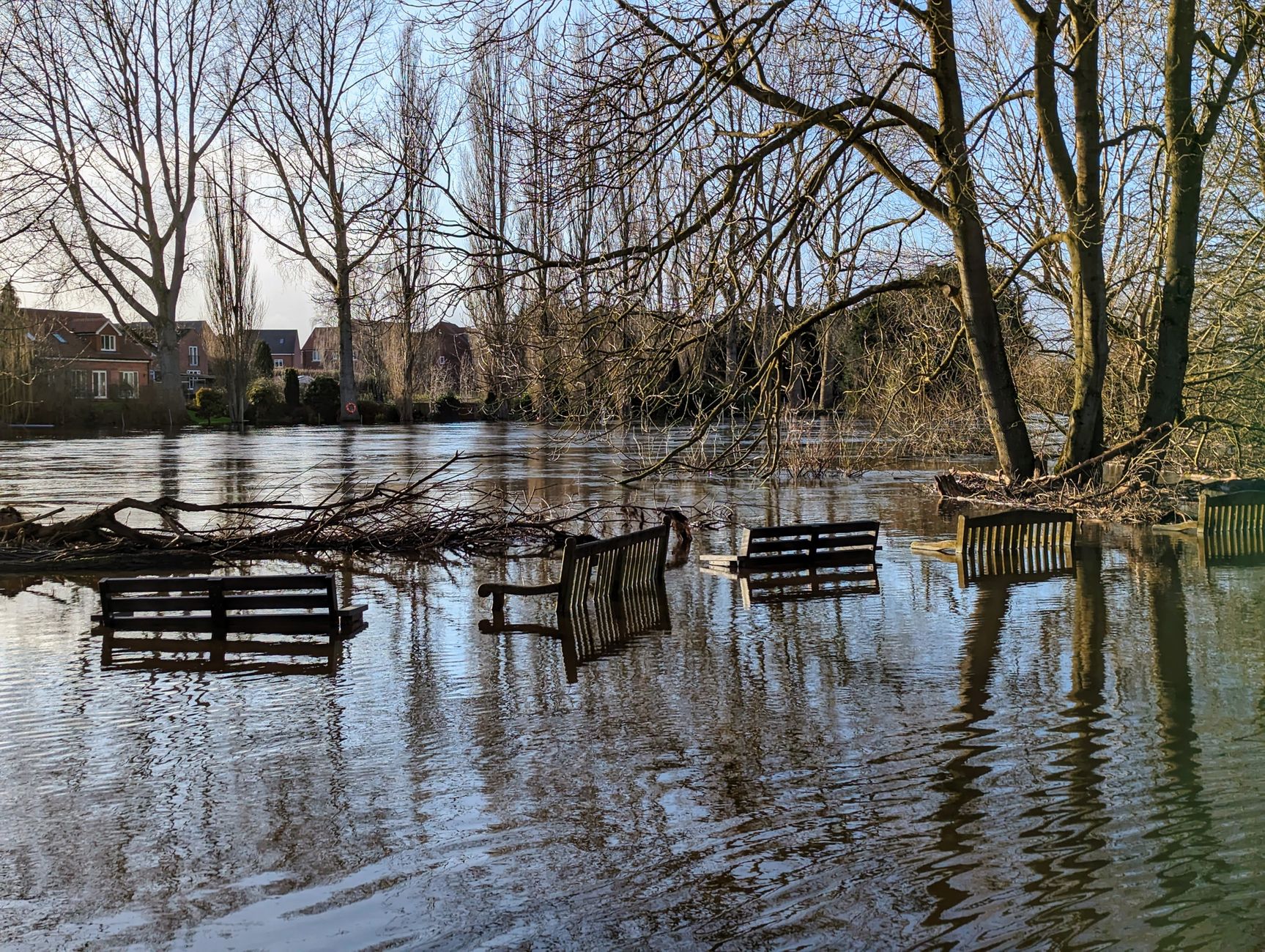
In the heart of England, where rivers have long carved through lush landscapes, a new revelation has emerged. Almost 71% of riverbanks are inaccessible to the public, a situation that has prompted campaigners to demand greater public access to these natural corridors.
The latest figures, released by the Right to Roam campaign, highlight a stark reality: whether meandering through urban jungles or the serene countryside, most riverbanks remain firmly off-limits. This lack of access is not just a rural issue; even in England's national parks, where one might assume nature is freely available, approximately half of the land remains privately owned.
The Call for Change
Amidst growing concerns over climate change and increasingly frequent heatwaves, the argument for opening up these riverbanks becomes more compelling. Campaigners argue that access to water and natural spaces is not merely a luxury but a necessity. Paul Powlesland, a prominent voice in the movement, emphasises that nature should be a refuge for all, particularly as temperatures soar.
In response, campaigners are urging the government to consider policies akin to Scotland's, where a statutory right of responsible access to land and water exists. Such measures, they argue, would not only enhance public health and well-being but also foster a greater connection with the environment.
Balancing Interests
However, the call for increased access is met with resistance from landowners who argue the need to protect their property rights. There is a delicate balance to be struck between opening up natural spaces and respecting private ownership. As the debate continues, the question of how to manage these competing interests remains contentious.
As discussions unfold, one thing is clear: the rivers of England, with their hidden bends and unseen wildlife, hold a profound allure. Whether or not more of these banks will become accessible to the public remains to be seen, but the conversation itself marks a significant step towards reimagining the relationship between people and their natural environment.