England's Schools to Embrace Technical Education for Teens
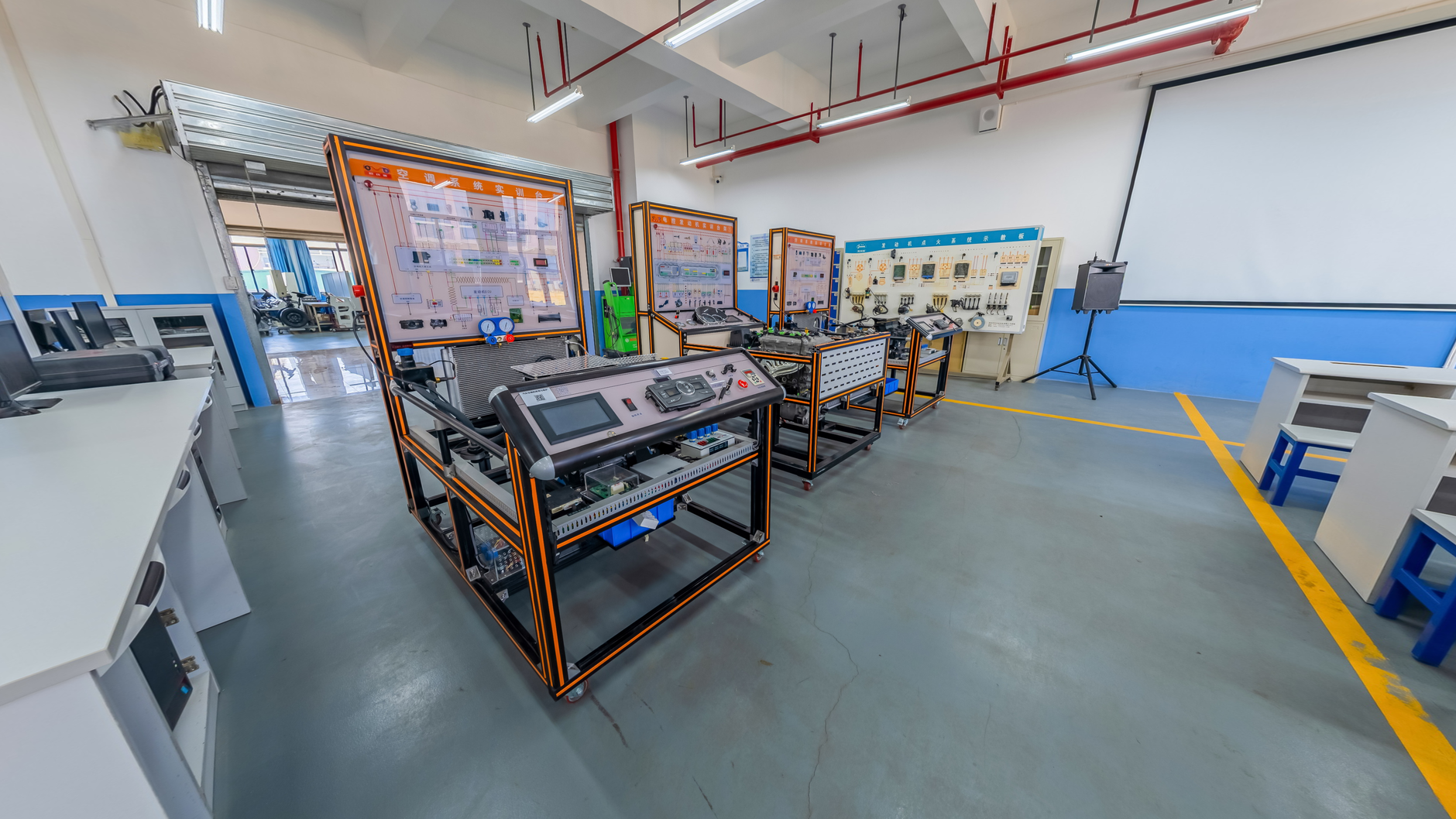
In an era where the job market demands more than just textbook knowledge, Prime Minister Andy Burnham's latest educational reforms aim to revolutionise the way secondary education is approached in England. By 2028, schools will begin offering technical subjects to pupils as young as 14, a move designed to balance the scales between academic and vocational education.
Burnham's vision is clear: to ensure that no pupil feels sidelined by an education system traditionally skewed towards academia. "We are writing off too many of our youngsters," he remarked, highlighting the need for a curriculum that embraces the practical alongside the theoretical. Subjects such as manufacturing and artificial intelligence are set to become part of the standard offering from Year 10.
A New Era for Education
The introduction of technical subjects is more than just an expansion of the curriculum; it's a response to the evolving needs of the workforce. With automation and AI increasingly prevalent, the demand for skills in these areas is burgeoning. Burnham's reforms are not just a nod to current industry trends, but a proactive step towards equipping the next generation with the tools they need to thrive.
This approach also seeks to address the growing number of young people not in education, employment or training (NEET). By providing a more diverse curriculum, the hope is to engage students who might otherwise become disenchanted with traditional academic paths.
Challenges and Opportunities
Of course, implementing such changes is not without its challenges. Schools will require significant investment in resources and training to offer these new subjects effectively. Teachers will need to be recruited and trained to deliver content that is both engaging and relevant to modern industries.
Nevertheless, the potential rewards are substantial. By fostering a more inclusive and varied educational environment, England could position itself as a leader in educational reform, preparing its young people for a future where technical proficiency is as valued as academic achievement.
As plans are set in motion, it is clear that Burnham's vision for education is one that recognises the diverse talents and interests of students, providing them with pathways that were previously unavailable.