England's Waters: A Toxic Legacy Lingers On
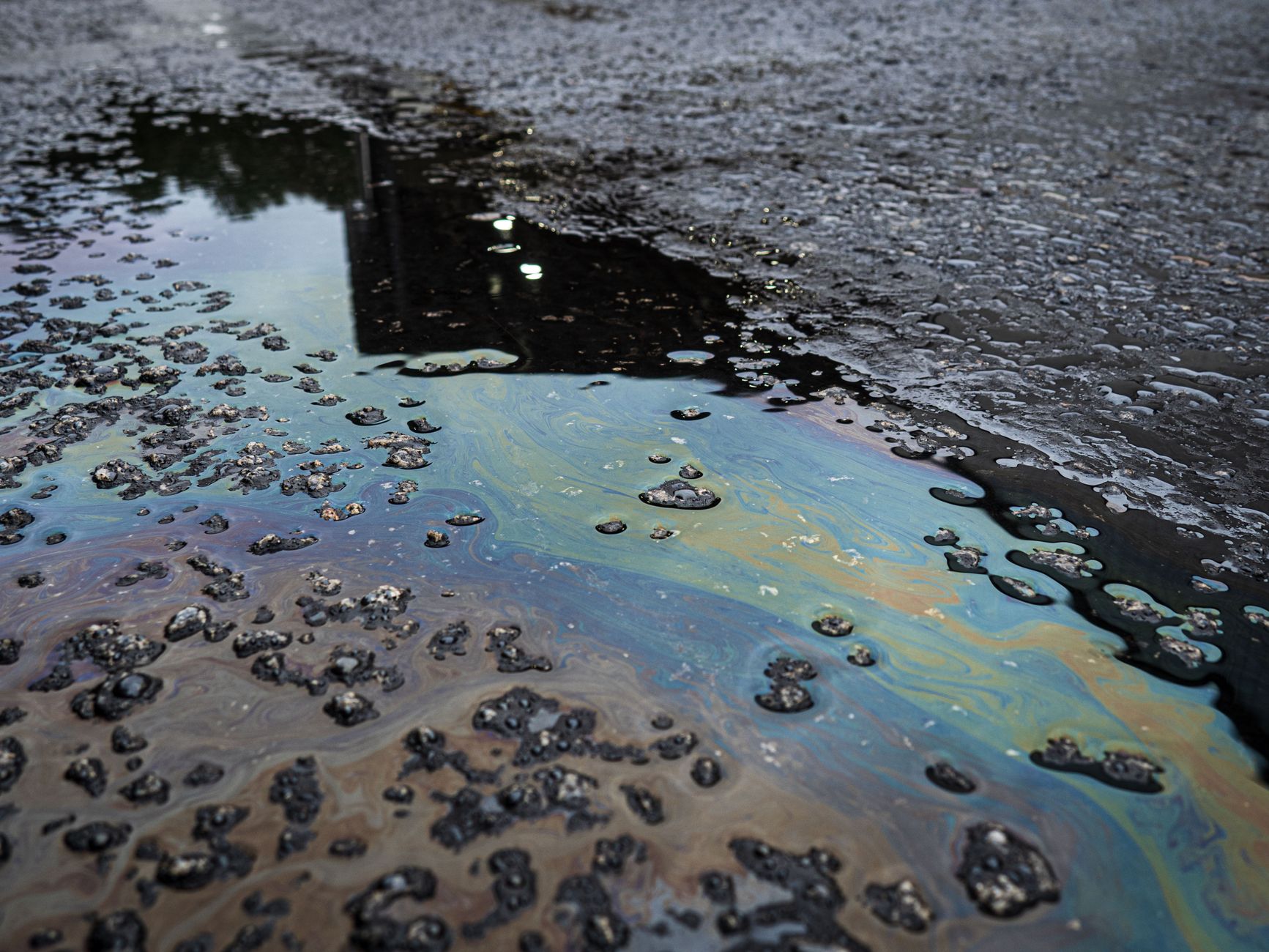
In a revelation that has sent ripples through environmental circles, official data has laid bare the extent of pollution in England's waterways. Every single body of water in the country is polluted with toxic chemicals, according to the Environment Agency's latest findings. The dismal reality is that none of these waters have achieved a 'good' chemical status, a target initially set for 2027 but now postponed to 2063.
The chemical culprits include persistent pollutants such as former flame retardants and PFOS, a compound once used in stain repellents and firefighting foams. These substances, despite being phased out, continue to haunt the environment, infiltrating rivers, lakes, and streams. The data starkly illustrates that less than 15% of rivers and fewer than 7% of lakes in England are rated as ecologically 'good'.
Decades from Resolution
The Environment Agency's projections paint a sobering picture for the future. With the revised timeline extending to 2063, it seems the journey towards chemical purity for England's waters is a marathon rather than a sprint. This delay poses significant questions about the effectiveness of current environmental policies and the urgency with which they are implemented.
Environmentalists argue that more aggressive action is needed to address the sources of pollution and to hasten the clean-up process. The persistence of these chemicals raises concerns not only for the ecological health of aquatic systems but also for public health, as these waters are integral to drinking supplies and recreational activities.
Global Perspective
This issue is not unique to England. Across the Atlantic, nearly 100 million Americans are reported to be consuming water contaminated with various toxic chemicals. The global nature of water pollution underscores the need for international cooperation and innovation in water treatment technologies.
As the world grapples with the challenge of ensuring clean water for all, the situation in England serves as a stark reminder of the long-term impacts of industrialisation and the urgent need for sustainable practices. The legacy of pollution may well linger, but with concerted effort and political will, cleaner waters could be within reach—albeit not as soon as many would hope.