England's Waters: A Toxic State of Affairs
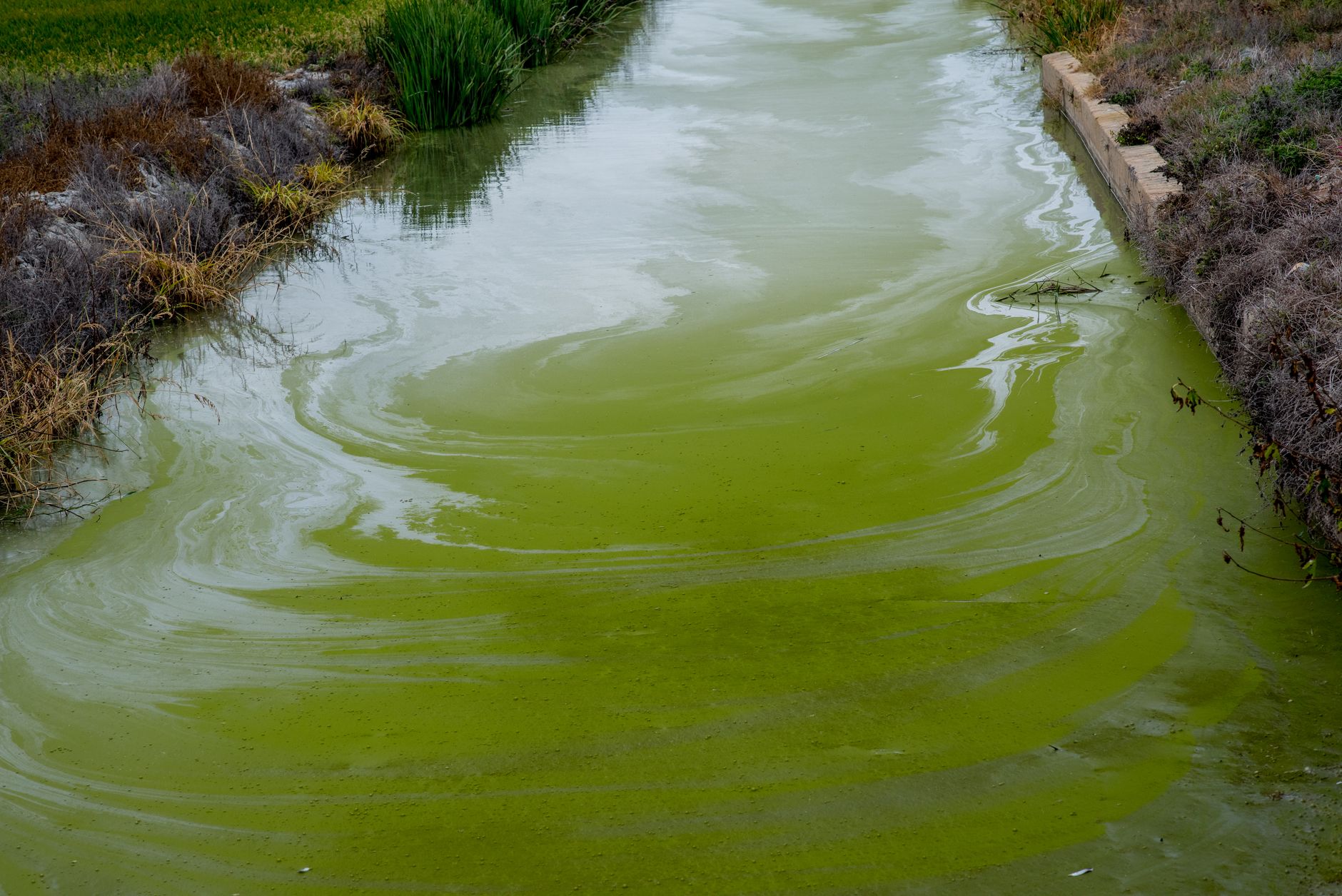
In a disheartening revelation, England's once-pristine rivers and lakes have all succumbed to chemical pollution, according to a comprehensive evaluation by the Environment Agency. The report, which scrutinised each of the country's water bodies, paints a bleak picture: not a single river or lake is spared from the scourge of chemical contaminants.
The findings are part of a six-yearly assessment that investigates the ecological health of England's aquatic environments. The report identified a cocktail of pollutants, including persistent 'forever chemicals' such as Pfas and an alarming presence of microplastics, which have infiltrated every corner of England's waterways.
The Extent of Pollution
Only 14% of England's rivers and lakes are classified as being in 'good' ecological condition. This statistic, as it stands, underscores a systemic failure to protect natural water sources from industrial and agricultural pollutants. The presence of chemicals that resist degradation poses a long-term threat not only to aquatic life but also to human health.
Experts warn that these findings should serve as a wake-up call for policymakers. Dr. Emma Howard, an environmental scientist, stated, 'The ubiquity of these chemicals in our waterways is deeply concerning. It's a clarion call for immediate action to mitigate further damage.'
Government Responsibility and Public Awareness
While the government has acknowledged the need for better regulation and enforcement, environmental groups argue that action has been sluggish. There is a growing consensus that more stringent policies are necessary to curb the influx of hazardous substances into the environment.
Public awareness campaigns are also vital. Educating citizens on reducing chemical use and proper waste disposal can play a crucial role in addressing the problem. As the Environment Agency continues to monitor and report on water quality, it is clear that a collective effort is needed to restore England's rivers and lakes to a healthier state.
In conclusion, the state of England's waters is a reflection of broader environmental challenges that require immediate and sustained action. The time for complacency has long passed; it is now a matter of urgency to safeguard these vital natural resources for future generations.