England's Waters: A Toxic Tale of Pollution and Neglect
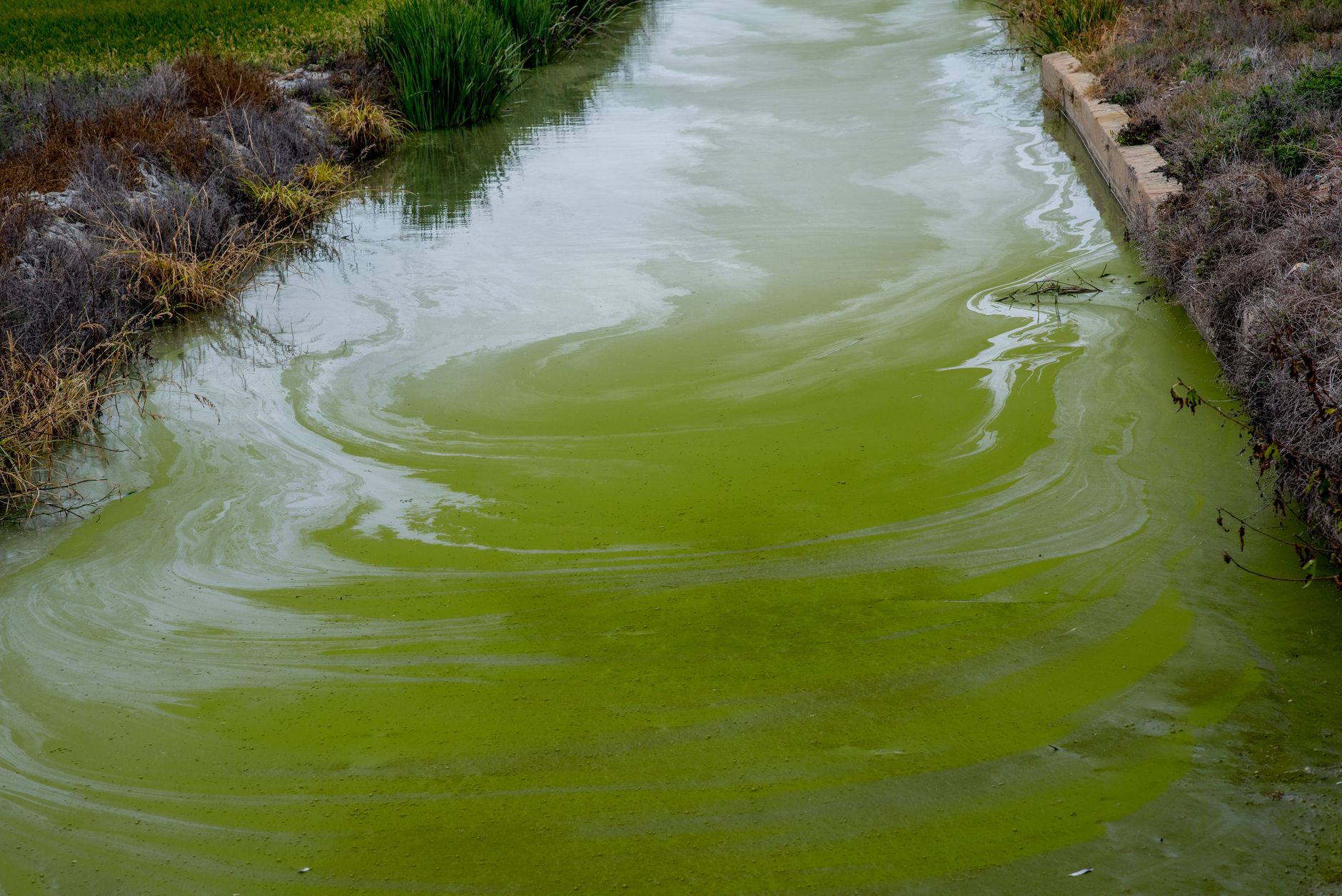
In the heart of England, where once the rivers meandered with a deceptive tranquillity, a harsh reality has emerged. The latest report by the Environment Agency reveals a stark truth: not a single river or lake in England is free from chemical pollution. This revelation comes as part of a comprehensive assessment conducted every six years, shedding light on the environmental challenges faced by the country's water bodies.
According to the report, a mere 14% of England's rivers, lakes, and estuaries can boast of being in a good ecological state. This disconcerting statistic serves as a wake-up call for policymakers and the public alike. The presence of toxic substances, including the infamous 'forever chemicals' known as Pfas and pervasive microplastics, is a testament to the ongoing neglect and inadequate regulatory measures.
Decades of Damage
The deterioration of England's aquatic ecosystems did not happen overnight. Decades of industrial discharge, agricultural runoff, and urban waste have contributed to the current state of affairs. The intricate web of life that once thrived in these waters is now suffocating under the weight of chemical pollutants.
Environmentalists have long sounded the alarm bells, warning of the irreversible damage being done to these vital ecosystems. However, progress has been sluggish, hindered by bureaucratic red tape and conflicting interests. The government's recent pledges to improve water quality will require more than just rhetoric; it demands a concerted effort to implement effective and enforceable policies.
The Human Cost
Beyond the ecological impact, the human cost of this crisis is significant. Communities reliant on these water sources for livelihood and recreation are left grappling with the consequences. The health risks posed by prolonged exposure to polluted water cannot be overstated, raising concerns about public health and safety.
As England grapples with this environmental predicament, the need for immediate action is clear. The solution lies not just in cleaning up the rivers and lakes but in addressing the root causes of pollution. This requires a holistic approach, integrating sustainable agricultural practices, stringent industrial regulations, and public awareness campaigns.
In this battle for cleaner waters, every drop counts. The path forward demands unwavering commitment and collaboration from all stakeholders, ensuring that future generations inherit a legacy of pristine rivers and lakes, not a toxic tale of neglect.