England's Waters in Dire Straits: Only 14% Achieve Good Health
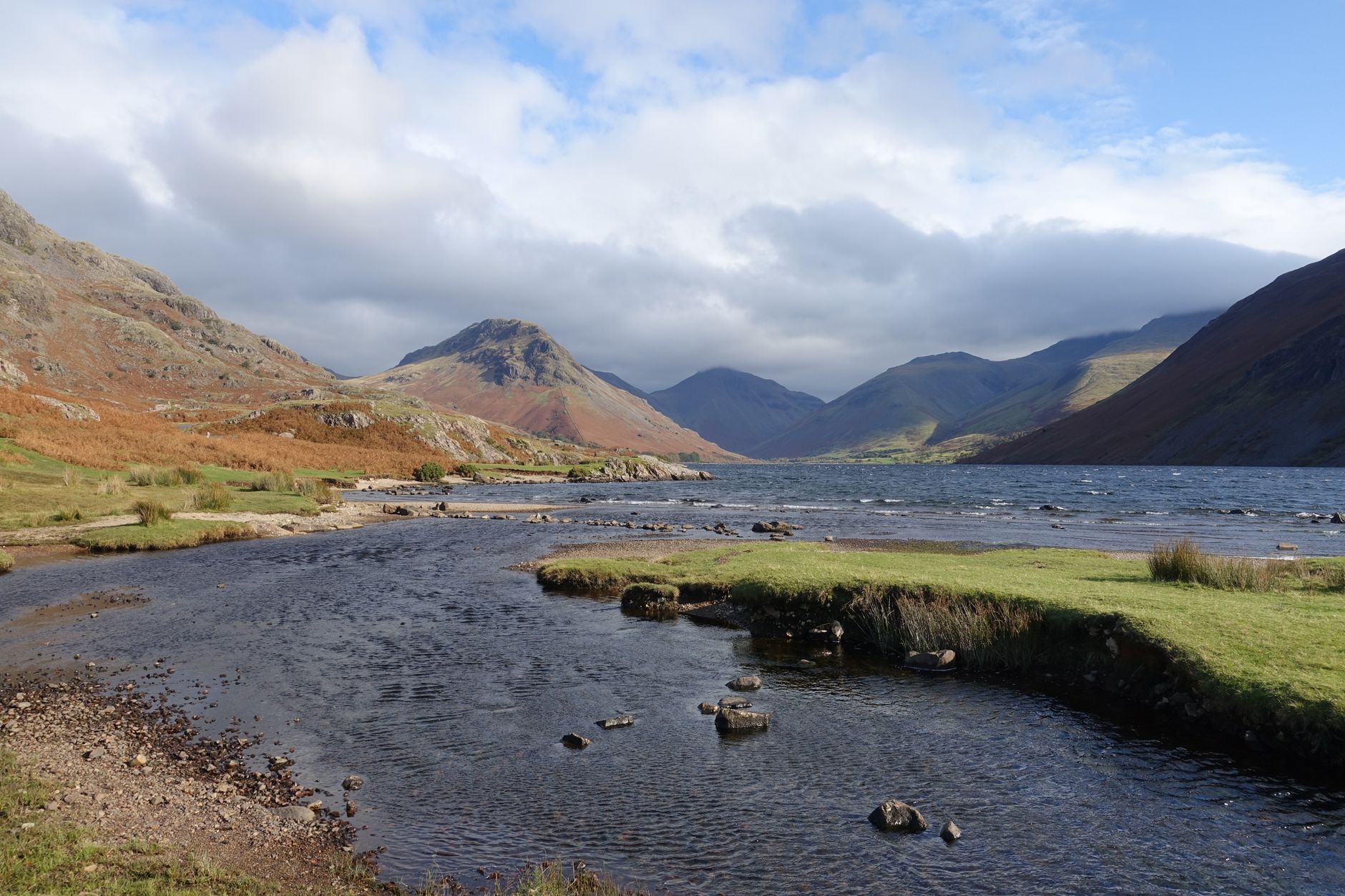
England's waterways, once the lifeblood of the nation's industrial might, are now languishing in a state of neglect that borders on the scandalous. According to the latest findings of the Environment Agency, a mere 14% of rivers, lakes, and coastal waters in England are in good ecological health. This marks a significant challenge to national and local governments tasked with reversing this decline.
The comprehensive review, the first of its kind in six years, has laid bare the deteriorating condition of the country's aquatic environments. While the government had ambitiously set a target for all waters to reach 'good' status by 2027, the current statistics paint a rather dispiriting picture. As of now, not a single river, lake, or stream meets this standard, raising questions about the effectiveness of existing environmental policies.
The data is based on a meticulous analysis conducted by the Environment Agency, which measures pollutants and examines the biodiversity within these water bodies. The classification system ranges from 'high' to 'bad', with 'good' being a minimum standard that very few have achieved. Environmentalists have expressed their dismay, calling this a 'national shame' and urging immediate action.
The Road Ahead: Challenges and Solutions
The causes of this ecological downturn are manifold. Agricultural runoff, industrial waste, and sewage discharge have all played significant roles in degrading water quality. Moreover, climate change exacerbates these issues, leading to more frequent and severe flooding, which can further harm aquatic ecosystems.
Addressing these challenges requires a multi-faceted approach. Enhanced regulations, improved wastewater treatment facilities, and sustainable agricultural practices are just a few measures that could help turn the tide. Public awareness campaigns and community engagement are equally vital to foster a collective responsibility towards water conservation.
The consequences of inaction are dire. Poor water quality affects not only biodiversity but also human health and recreation. It impacts the economy, particularly sectors dependent on tourism and fisheries. Thus, it is imperative for both policymakers and the public to prioritise the health of the nation's waters.
Conclusion: A Call to Action
As England grapples with these environmental challenges, the need for robust and swift action becomes ever more pressing. The water crisis is not merely an environmental issue; it is a societal one that demands urgent and concerted efforts. Whether the nation can rise to this challenge remains to be seen, but the time for complacency has long passed.