England's Waters: The Unseen Chemical Crisis
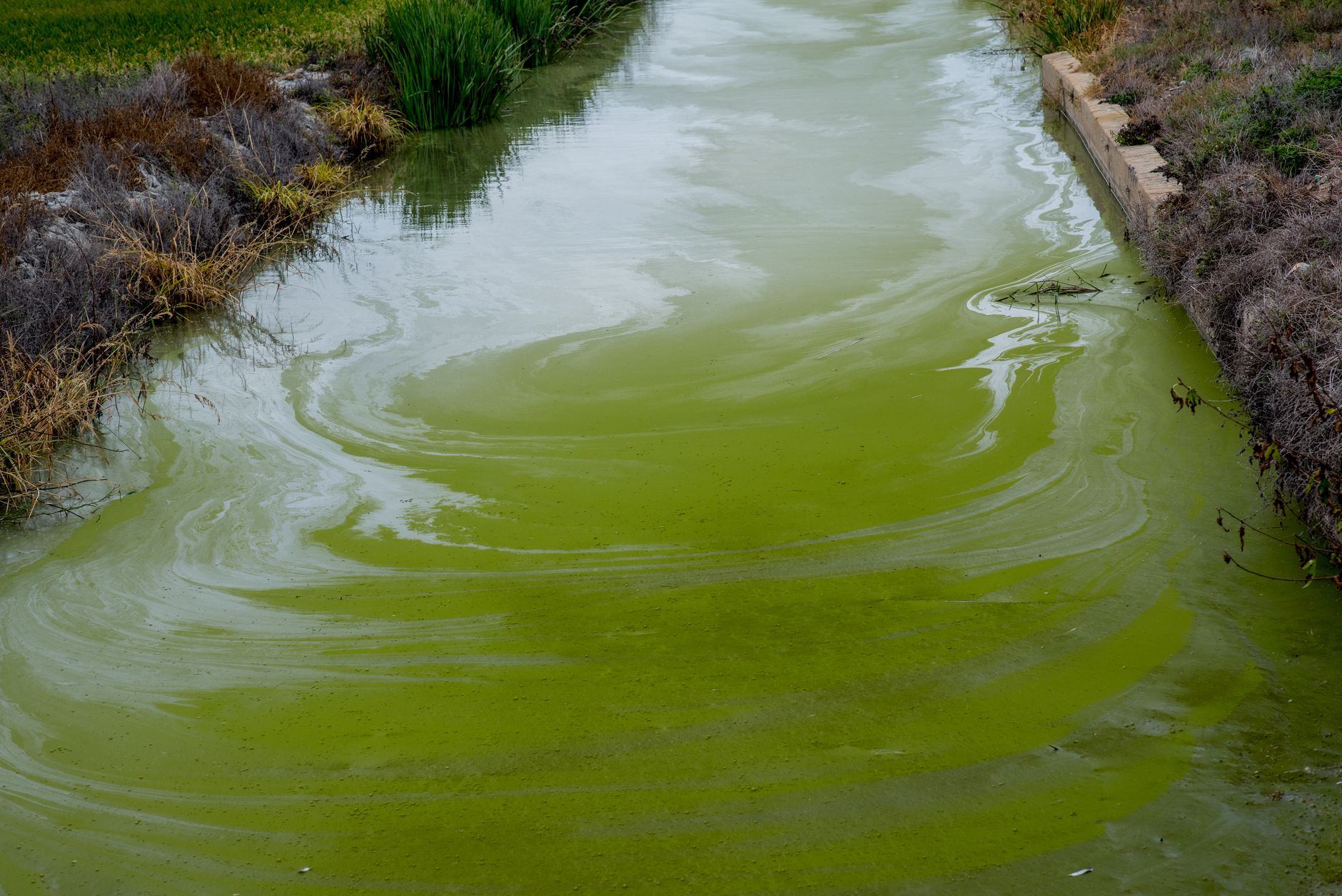
In the heart of England, an environmental catastrophe quietly unfolds. Recent government data has laid bare a grim truth: every single river and lake in the nation is tainted with toxic chemicals. This revelation comes at a time when England is grappling with drought conditions, making the issue all the more pressing.
The statistics are startling. A mere 14.3% of England's surface waters are classed as being in good ecological condition. The rest, a staggering majority, fall short, plagued by various pollutants. These include agricultural run-off, industrial waste, and untreated sewage—all contributing to a cocktail of contamination that endangers wildlife and human health alike.
A Nation in Drought
The timing of these findings could hardly be worse. Much of England is facing an official drought, with rivers running low and more than 20 million people under hosepipe bans. The drought exacerbates the pollution issue, concentrating toxins in dwindling water supplies and further stressing ecosystems already on the brink.
Environmental campaigners have long warned of the deteriorating state of England's waters. The government, they argue, has been slow to act, allowing regulatory gaps and lax enforcement to perpetuate the crisis. Now, with the situation laid bare, there are calls for decisive action to rectify decades of neglect.
Urgent Need for Reform
Experts suggest that comprehensive reforms are needed to tackle this issue. Strengthening regulations on agricultural practices, enforcing stricter penalties on polluters, and investing in modern sewage treatment facilities could all play a part. However, such measures require political will and public support to be effective.
As the nation wakes up to the scale of this crisis, the question remains: will this be a watershed moment for England's environmental policy, or just another entry in a long list of unheeded warnings? Only time, and action, will tell.