
Environmental Concerns Stall New Ganderbal Hydropower Project
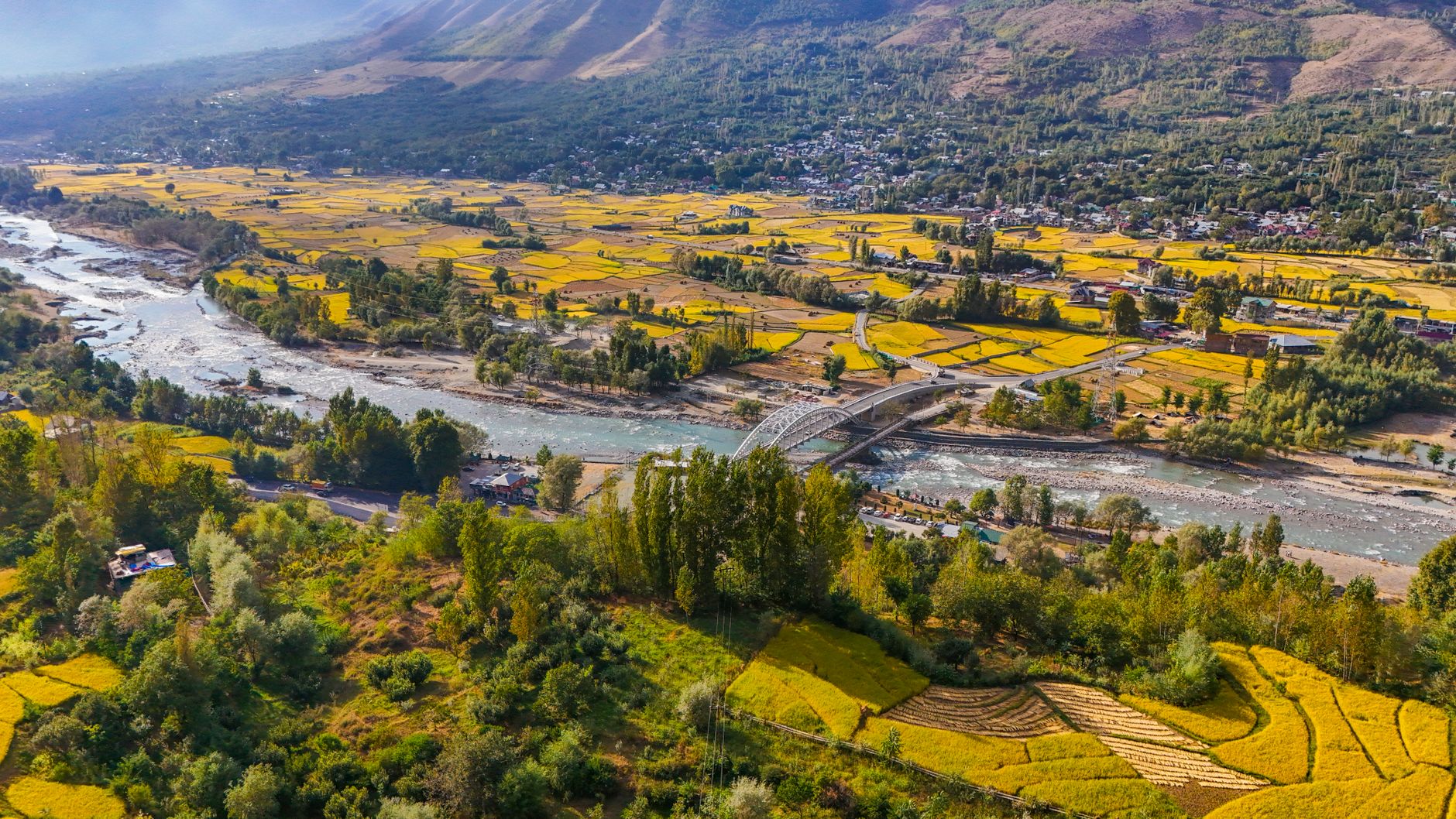
In the quiet district of Ganderbal, Jammu and Kashmir, a hydropower project that once promised to energise the region now finds itself ensnared in environmental red tape. The New Ganderbal Hydropower Project, designed to generate 93 megawatts of power from the Sindh River, has reached an impasse due to environmental concerns that threaten the delicate ecological balance of the area.
Originally conceived in 1996, the project was set to harness the river’s flow through a run-of-the-river design, avoiding the need for large dams. The scheme boasted a projected annual output of 383 GWh, a much-needed boost for the region's energy grid. Yet, nearly three decades later, the project remains in the 'permitting' phase, its progress halted by the spectre of environmental degradation.
Environmental Concerns
Environmentalists argue that the project could disrupt local ecosystems, affecting both aquatic and terrestrial life. The Sindh River, home to various species, including migratory birds and fish, faces potential threats from construction activities. The installation of circular steel-lined penstocks and other infrastructure could alter water flow and sediment patterns, with unforeseen consequences for the region's biodiversity.
The Jammu and Kashmir Power Development Corporation, the state-owned entity spearheading the project, insists that modern engineering solutions can mitigate these impacts. However, environmental assessments remain sceptical, urging a more cautious approach to what they deem an ecologically sensitive endeavour.
The Path Forward
For local residents, the project represents a double-edged sword. On one hand, the promise of reliable electricity and economic development is alluring. On the other, the potential cost to their natural surroundings is a significant concern. As debates continue, the future of the New Ganderbal Hydropower Project hangs in the balance, a testament to the ongoing struggle between development and conservation.
Whether the project will ever see the light of day remains uncertain. What is clear, however, is that any decision must carefully weigh the region’s environmental health against its developmental aspirations.


