Environmental Orders Shake Courts as Green Issues Take Centre Stage
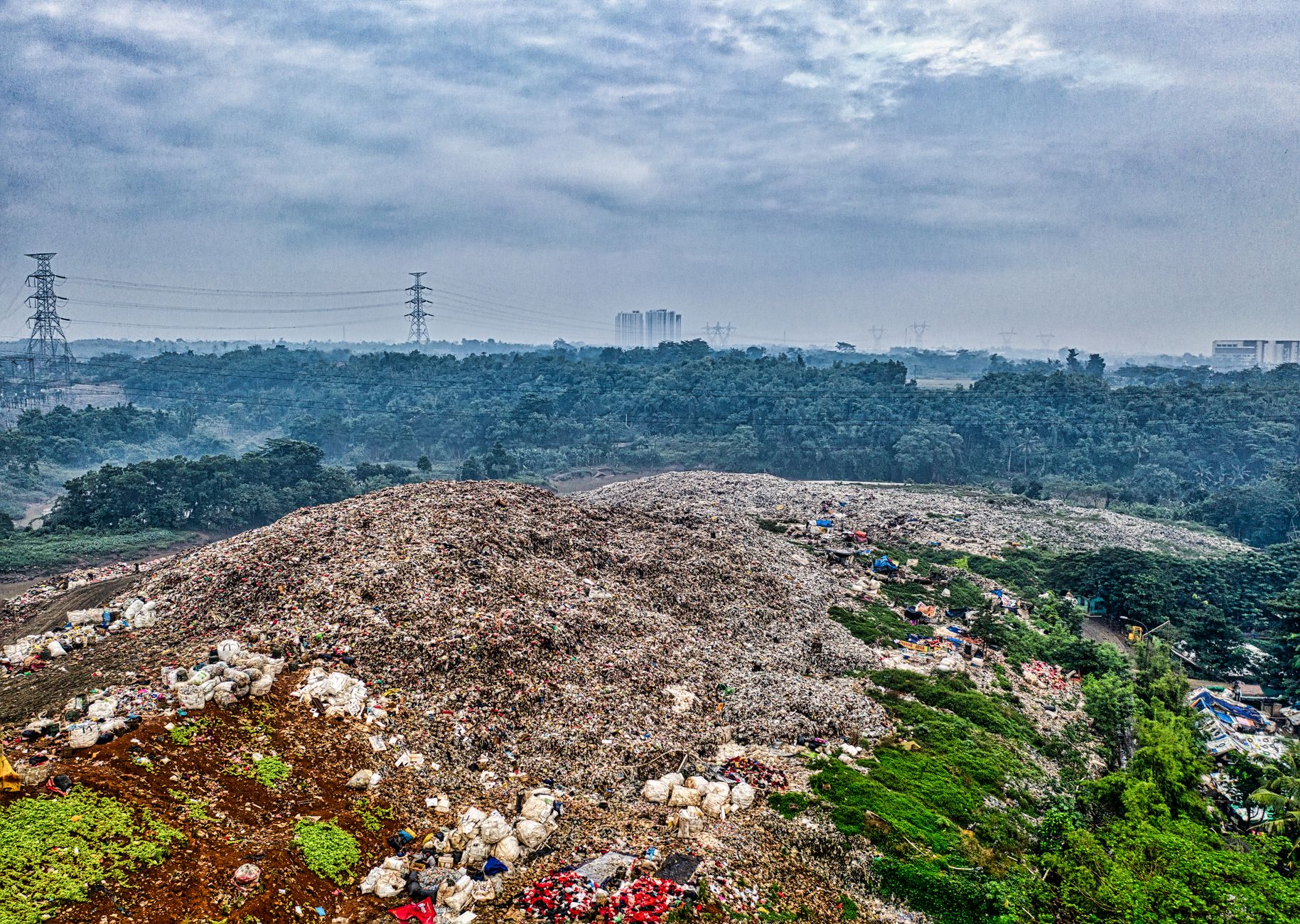
The gavel came down hard on environmental violators this week as the Supreme Court and the National Green Tribunal (NGT) delivered significant orders on September 10, 2026. These rulings have not only captured the attention of environmentalists but also marked a pivotal moment in India's judicial landscape, highlighting the increasing urgency to tackle ecological degradation.
Among the most notable directives was the Supreme Court's order mandating a comprehensive review of industrial emissions in the Delhi-NCR region. The court's decision follows a series of alarming reports that have linked rising pollution levels to severe public health issues. This order compels both the Central Pollution Control Board and state agencies to tighten monitoring mechanisms, potentially reshaping the regulatory framework.
Equally significant was the NGT's ruling on deforestation in the Western Ghats. The tribunal has ordered a halt to all non-essential construction activities in the ecologically sensitive area, emphasising the need to preserve biodiversity hotspots. Environmentalists hailed the decision as a victory for nature conservation, stressing that protecting the Western Ghats is crucial for maintaining ecological balance.
The Courts' Expanding Role
These rulings underscore the judiciary's increasingly proactive stance on environmental issues. With climate change posing an existential threat, courts are stepping in where legislative and executive measures have often faltered. This judicial activism is viewed by many as essential, given the political and economic challenges that frequently hinder environmental progress.
Moreover, these decisions come at a time when global climate negotiations are intensifying, placing additional pressure on national governments to act decisively. India's judiciary, by asserting its influence in environmental governance, sends a clear message about the country's commitment to sustainable development.
As these judicial pronouncements reverberate through policy corridors, the focus now shifts to their implementation. For activists and policymakers alike, the real test will be translating these orders into tangible environmental improvements.