
ESA Report Warns of Alarming Growth in Space Debris
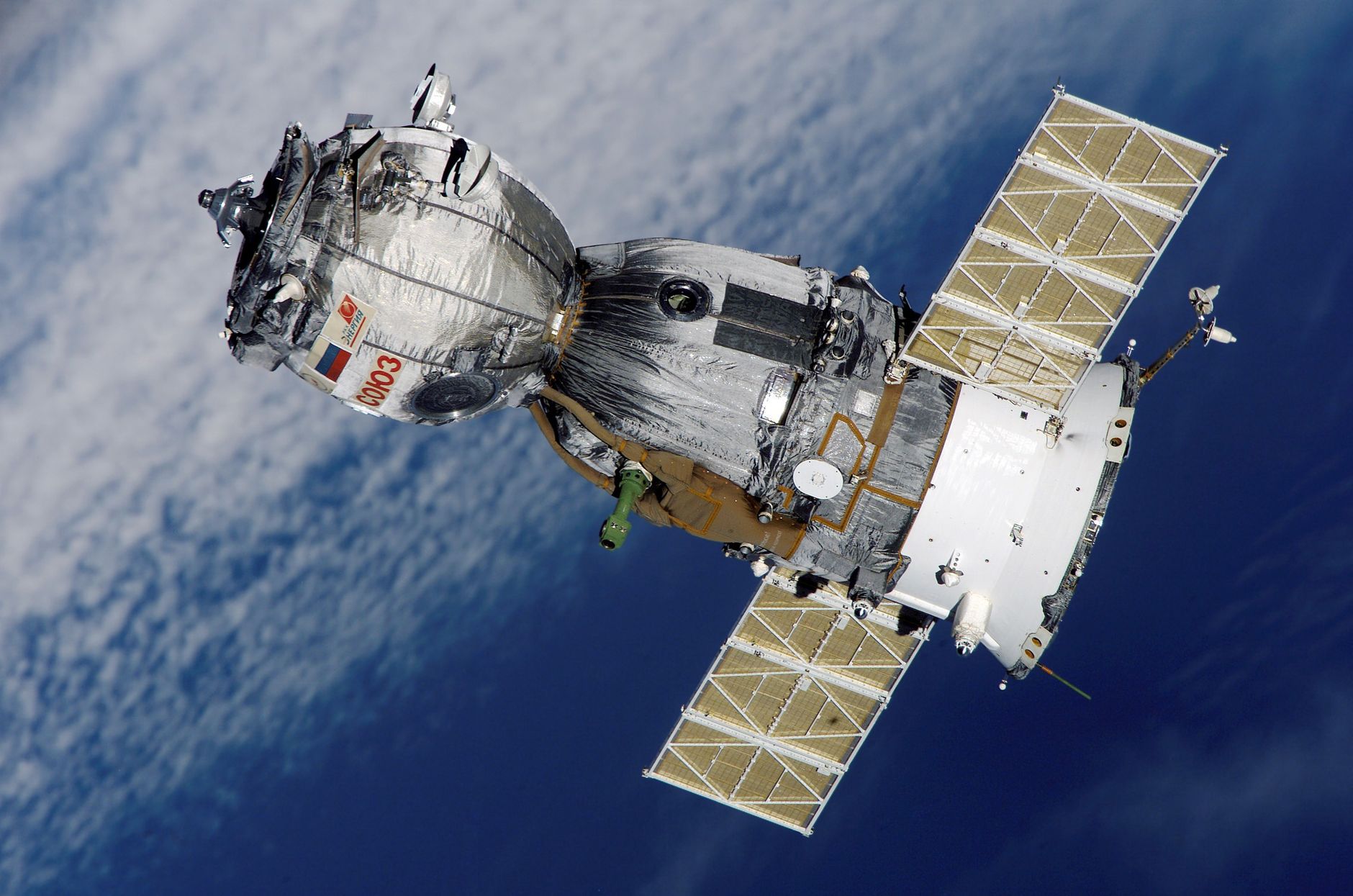
The European Space Agency's (ESA) latest report paints a sobering picture of our celestial neighbourhood. Released this week, the Space Environment Report 2026 reveals a significant increase in space debris, particularly in low-Earth orbit (LEO), where the detritus of human activity now poses an ever-increasing threat to active satellites and space missions.
According to the report, the density of space objects larger than one centimetre has surged, exacerbating collision risks. A 20% rise in potential collisions underscores the precarious situation, with the possibility of cascading events that could render parts of LEO unusable.
A Growing Problem
The proliferation of active satellites, now crucial for communications, navigation, and scientific research, is partly to blame. Their numbers have swelled, with thousands of new launches annually, contributing to the congestion. However, the real culprits are fragmentation events—unwanted offspring of anti-satellite tests and accidental explosions.
In 2024 alone, the report notes several major fragmentation incidents, adding thousands of new fragments to the already crowded orbits. These fragments, often travelling at speeds exceeding 28,000 km/h, pose a severe threat to operational satellites and the International Space Station.
Seeking Solutions
ESA's report calls for urgent international collaboration to tackle this growing menace. Proposals include improved tracking systems, debris removal missions, and stricter regulations on satellite design to minimise debris creation. The agency warns that without coordinated action, the sustainable use of space could be jeopardised.
The stakes are high, not just for space agencies but for industries reliant on satellite technology. From weather forecasting to global communication networks, the implications of an unmanageable space environment could be profound.
As we stand on the cusp of a spacefaring future, the 2026 report serves as a timely reminder of our responsibilities beyond Earth's atmosphere. The heavens, it seems, are getting crowded, and the time for action is now.


