EU Amplifies Water Safeguards Amid Pollution Concerns
"We can no longer take water for granted," declared European Commissioner Jessika Roswall with a clarity that resonated across the press room in Berlin. Her words came during the 'Future: Water' forum, an event that saw her stand alongside Germany’s Federal Minister for the Environment, Carsten Schneider, in a joint pledge to enhance the enforcement of EU water legislation.
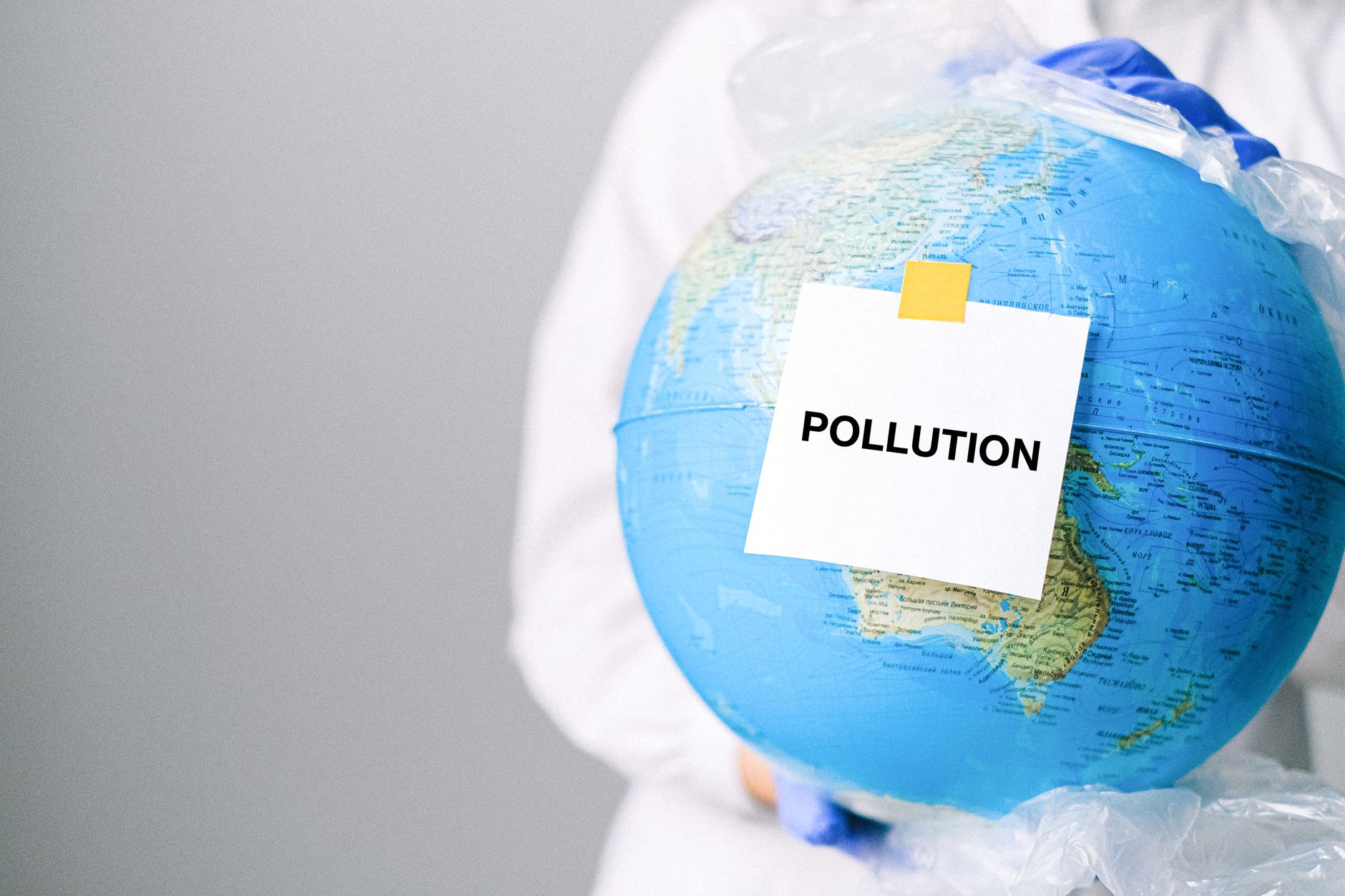
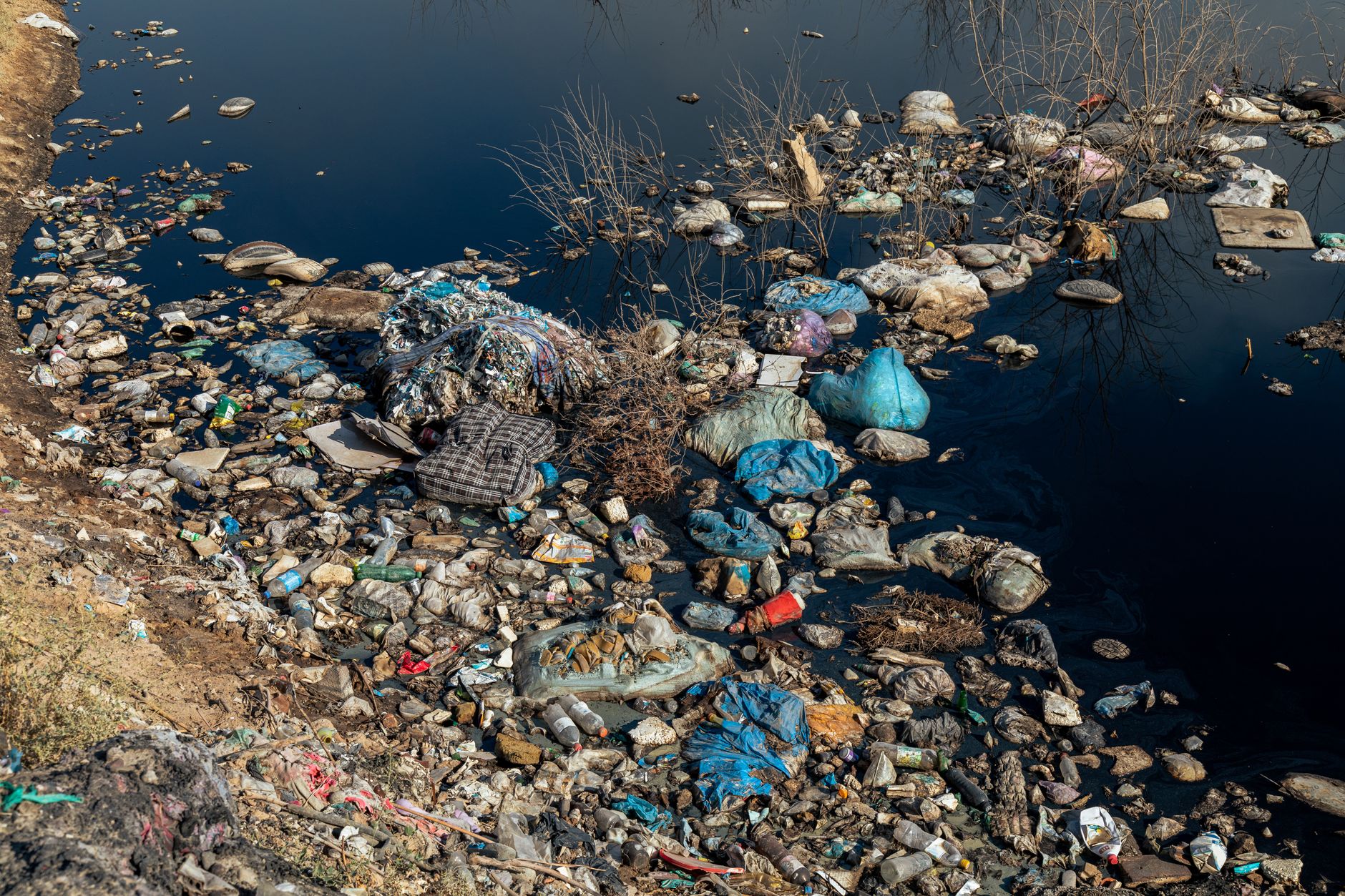
The duo's commitment arrives against a backdrop of growing environmental concerns. Europe's water security is at a critical juncture, threatened by widespread contamination from pollutants such as mercury. This not only endangers aquatic ecosystems but also human health through the food chain.
Germany, being the first nation to conclude the structured dialogue process initiated by the European Commission in November 2025, sets a precedent for other member states. This initiative is aimed at tightening the grip on water laws across the continent, ensuring that what flows from our taps remains safe and sustainable.
"More monitoring and less chemical pollution," Roswall stated emphatically, addressing Italy in particular. Her remarks underscore the necessity for rigorous oversight and the reduction of harmful substances entering water bodies.
Challenges and Responsibilities
Europe's hydrological cycle is as fragile as it is essential. Factors like pollution, land misuse, excessive water extraction, and climate change have destabilised this delicate balance. Strong water laws, therefore, are not just a bureaucratic formality but a linchpin for ensuring access to safe drinking water, maintaining healthy rivers, and supporting sustainable food production.
Minister Schneider echoed these sentiments, emphasising the need for collective action. "Germany is committed to setting a standard for others to follow," he said, advocating for a unified approach among EU countries to tackle these pressing issues.
Looking Ahead
The path forward is demanding yet unavoidable. Strengthening water legislation enforcement is crucial for safeguarding Europe's water resources. The pledge by Roswall and Schneider is a significant stride towards this goal, but the real test lies in the implementation. As the structured dialogue process gradually includes all EU member states, the hope is that Europe's waters will remain a source of life, not a harbinger of peril.