
EU Nations Race Against Time for Nature Restoration Plans
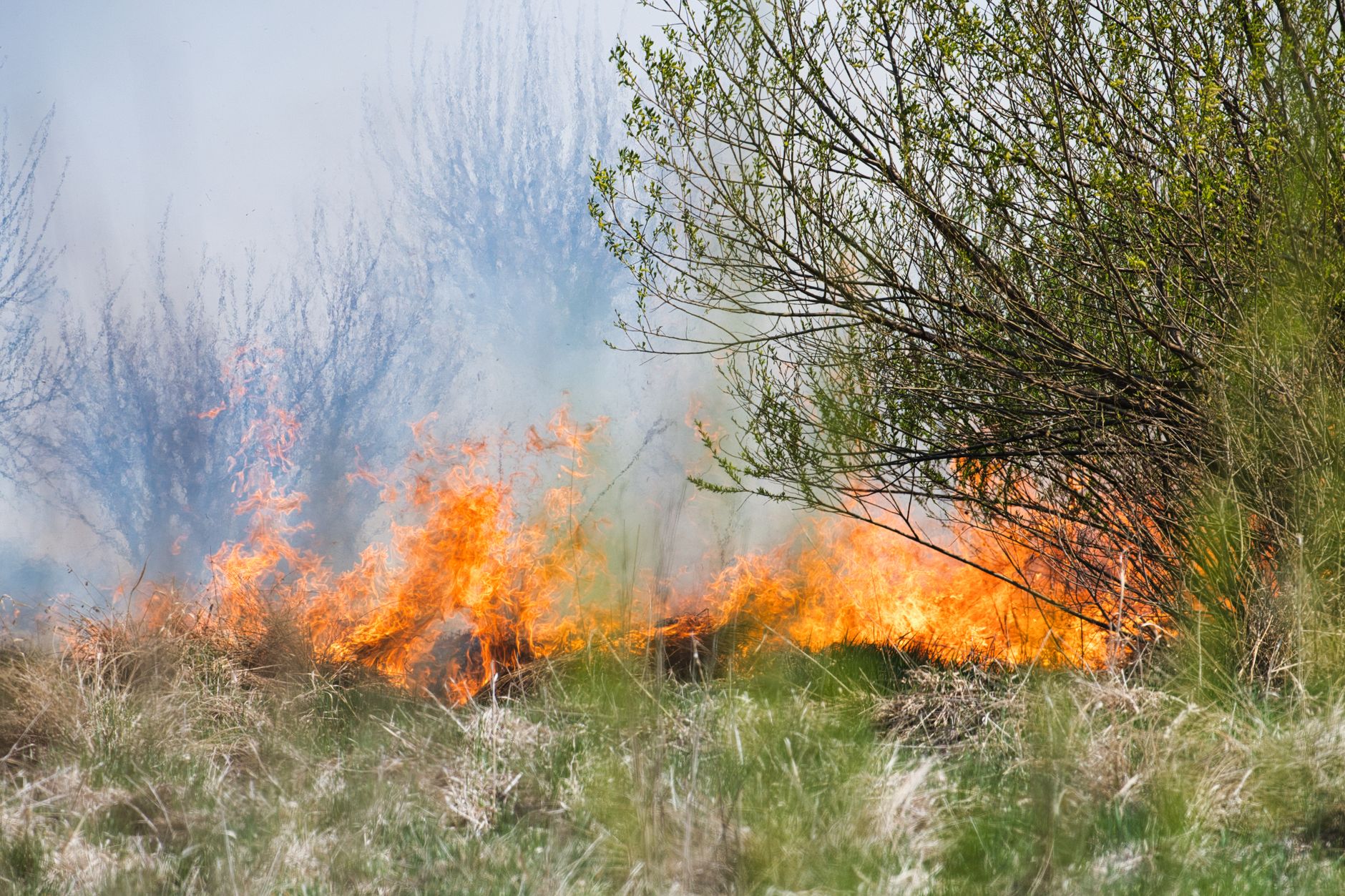
As the clock struck midnight, European Union countries found themselves in a last-minute scramble to submit their draft National Restoration Plans, a requisite under the Nature Restoration Law. The deadline, set for 1 September, was a pivotal moment for the EU's environmental future. The plans, which are meant to serve as blueprints for restoring Europe's natural habitats, have taken on new urgency following a summer marred by wildfires and drought.
The European Commission, which will now scrutinise these submissions, has made it clear that wildfire prevention will be a critical component. The cost of inaction was made painfully clear during the summer months, as fires raged across the continent, leaving a trail of destruction that underscored the need for preventive spending.
Despite the looming deadline, over half of the EU Member States failed to meet the submission requirement on time, a fact that has raised eyebrows among environmental advocates. The #RestoreNature coalition, which includes organisations such as the WWF, has been vocal in its criticism, arguing that delays undermine the EU's collective efforts to combat climate change.
The Stakes of Inaction
The stakes could not be higher. Europe's biodiversity is under threat, with many species on the brink of extinction. The Nature Restoration Law aims to reverse this trend by mandating countries to develop comprehensive plans that address issues such as habitat loss, pollution, and climate change.
Yet, the resistance from certain sectors, notably steelmakers and recyclers, has complicated the process. These industries have voiced concerns over the financial implications of the restoration plans, particularly in light of the EU's stringent environmental regulations.
A Call for Collective Responsibility
The coming weeks will be crucial as the European Commission begins its review process. Policymakers face the daunting task of balancing economic interests with ecological imperatives. The hope is that these plans will not only restore Europe's natural landscapes but also serve as a model for global environmental governance.
Ultimately, the success of the Nature Restoration Law will hinge on collaborative efforts and a shared commitment to a sustainable future. As the dust settles on the missed deadline, the question remains: will EU nations rise to the challenge?


