Europe on Edge: AfD's Victory Sparks Concerns Across the Continent
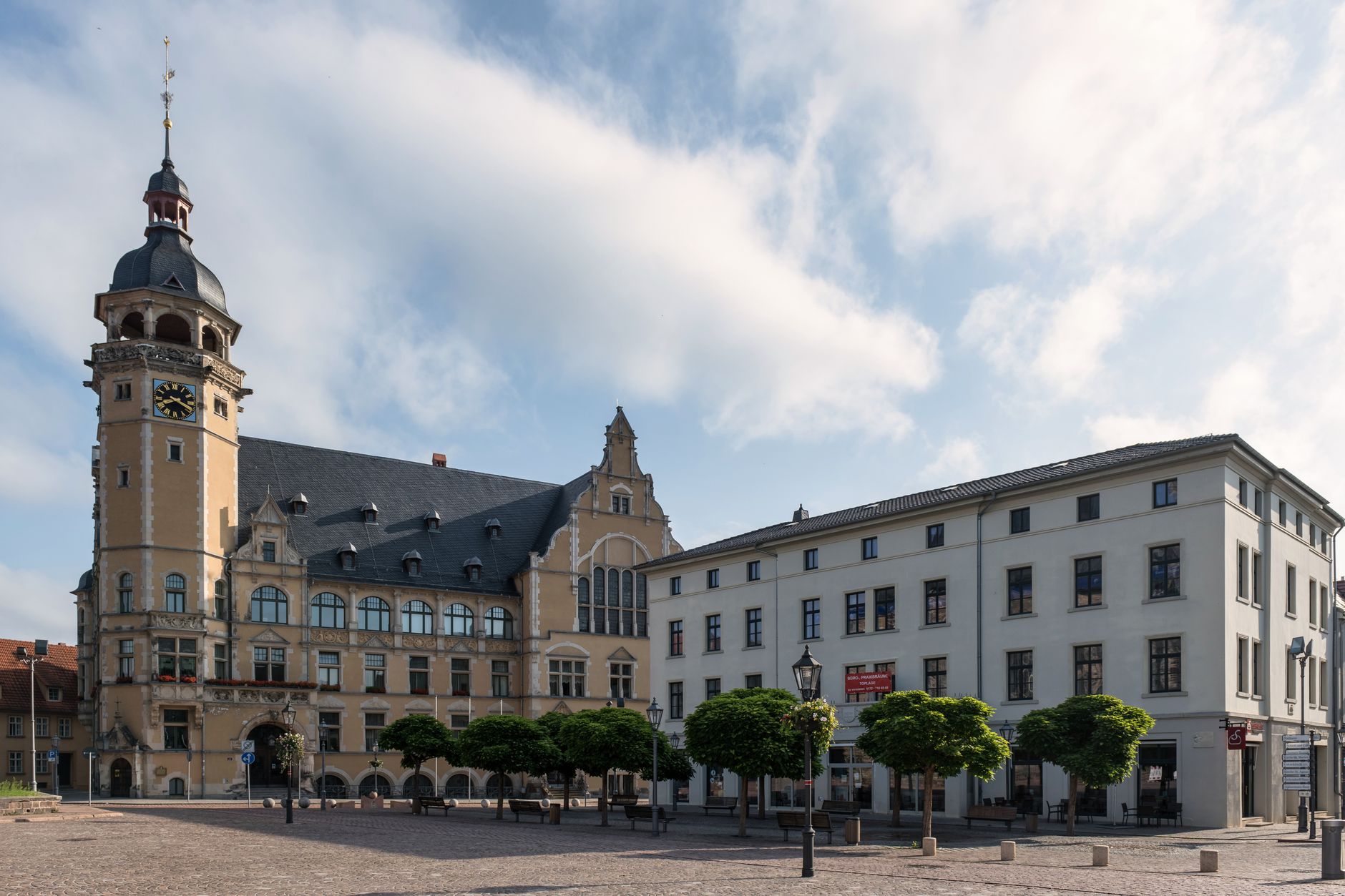
In the heart of Europe, a political tremor reverberates as the far-right Alternative für Deutschland (AfD) clinches a significant victory in the Saxony-Anhalt state elections. This triumph has not only sent ripples through Germany but has also raised alarms across the continent, prompting warnings from mainstream politicians who describe it as a 'grave moment' for Europe.
As the AfD celebrates its electoral success, buoyed by a wave of nationalist sentiment, European leaders are urging a cautious and reflective approach. Benjamin Haddad, European affairs minister, has called for politicians to listen to voters with humility. However, he firmly rejects nationalism and xenophobia as viable solutions to Europe's challenges. For many, the AfD's win is a stark reminder of Europe's turbulent past, one that cannot be ignored.
The AfD's victory, particularly in a region with a complex history, raises questions about the future of European unity and the rise of nationalist ideologies. Analysts suggest that such gains by far-right parties could embolden Moscow, as fractures in European alliances could weaken collective stances on issues like NATO membership and sanctions against Russia.
A Continent Reflects
The election outcome has prompted introspection among European leaders, who fear a domino effect of similar victories across other nations. As the political landscape shifts, there is an increasing call to address the socio-economic factors that fuel such movements. Many argue that ignoring the grievances of the electorate only serves to strengthen the appeal of far-right rhetoric.
In response to the AfD's win, some political figures advocate for a renewed commitment to European values of unity and tolerance. They stress the importance of addressing the root causes of discontent, such as inequality and immigration, through inclusive and pragmatic policies.
The Road Ahead
As Europe grapples with this 'grave moment', the path forward appears fraught with challenges. The AfD's success underscores the need for a nuanced approach to governance, one that balances national interests with continental solidarity. The coming months will be crucial in determining whether Europe can navigate these turbulent waters without succumbing to the divisive forces of nationalism.
For mainstream parties, the task is clear: to engage with voters' concerns authentically while upholding the principles that have long underpinned European integration. It is a delicate balancing act, but one that is essential for preserving the continent's stability and peace.