Europe's AI Adoption Gap: Small Firms Surge Despite Challenges
In a continent renowned for its technological advancements, it is rather peculiar that an adoption gap persists in the realm of artificial intelligence. OpenAI's latest findings reveal an eightfold surge in the use of AI agents among small businesses in Europe, yet the continent still grapples with uneven AI integration.
Small enterprises, often seen as the underdogs of the business world, are showing a remarkable propensity to integrate AI tools. These tools are being deployed to streamline operations, improve customer engagement, and even tackle complex analytical tasks. The enthusiasm among these businesses suggests a keen awareness of AI's potential to transform operations and drive innovation.
However, the picture is less rosy for larger organisations. Despite having the resources and infrastructure to adopt AI more broadly, many are treading cautiously. Regulatory hurdles, potential ethical dilemmas, and the sheer complexity of AI technologies are acting as significant deterrents. The European Union's stringent regulations on data privacy and AI ethics may be contributing to this hesitancy, as firms navigate the complex web of compliance and governance.
Regulatory Roadblocks
The EU's General Data Protection Regulation (GDPR) and upcoming AI Act are designed to protect citizens but have also introduced layers of bureaucracy that can stifle innovation. Companies must tread carefully to avoid hefty fines, which often results in a slower pace of AI adoption. While these regulations aim to ensure ethical use of technology, they can inadvertently create barriers to entry for businesses looking to innovate.
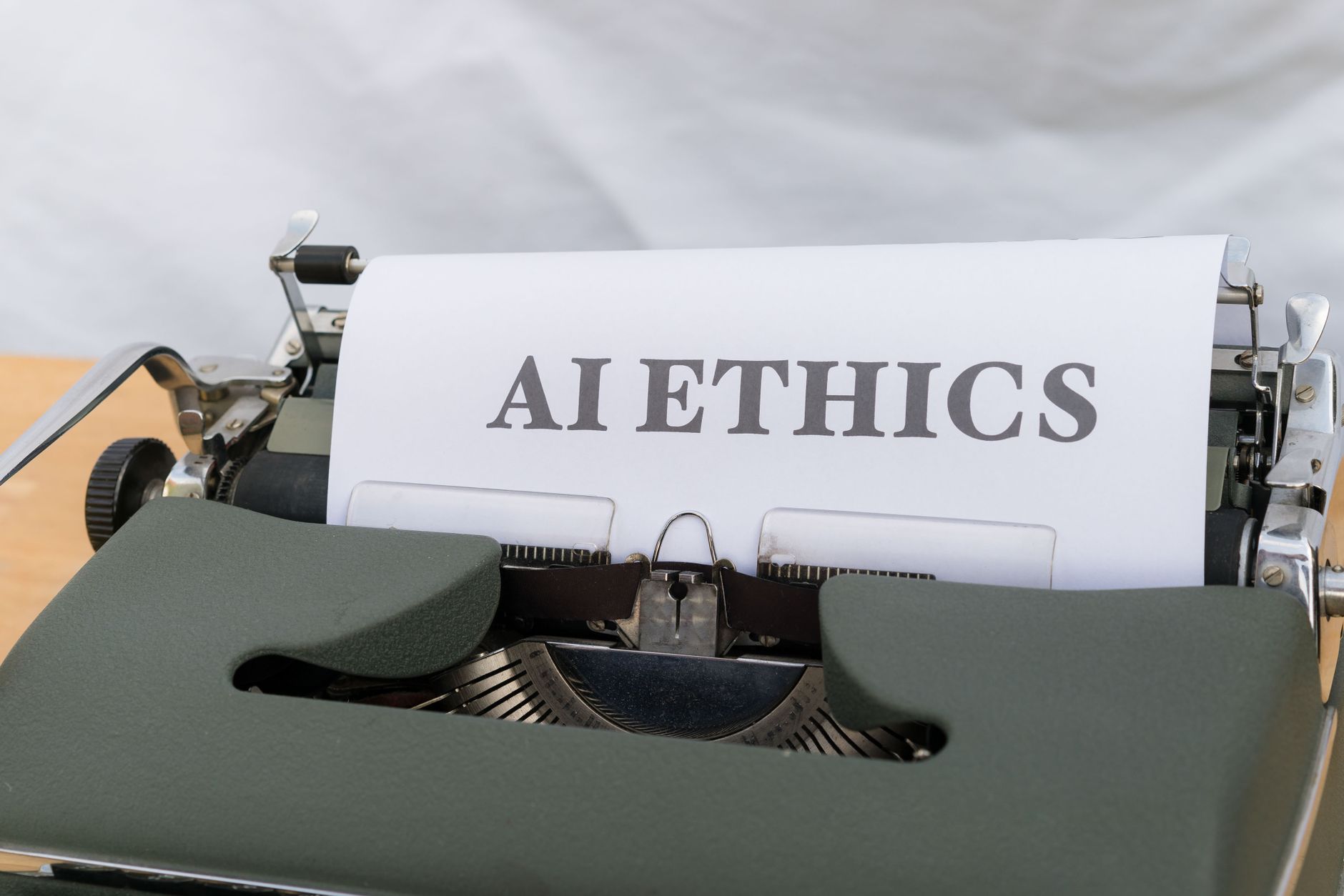
Moreover, the ethical implications of AI, such as bias in algorithmic decision-making and concerns over job displacement, remain hot topics. Firms are wary of negative publicity and potential backlash, which further complicates their decision to dive headlong into AI adoption.
The Way Forward
To bridge the gap, experts suggest a balanced approach that encourages innovation while maintaining robust ethical guidelines. Collaborative efforts between governments, tech companies, and academic institutions could pave the way for a more uniform AI adoption across Europe.
Ultimately, as AI continues to evolve, the ability of European businesses to harness its full potential will depend on their agility and willingness to adapt to new technological paradigms, all while navigating the intricate regulatory landscape.