Europe's Struggle for Technological Sovereignty: A Herculean Task
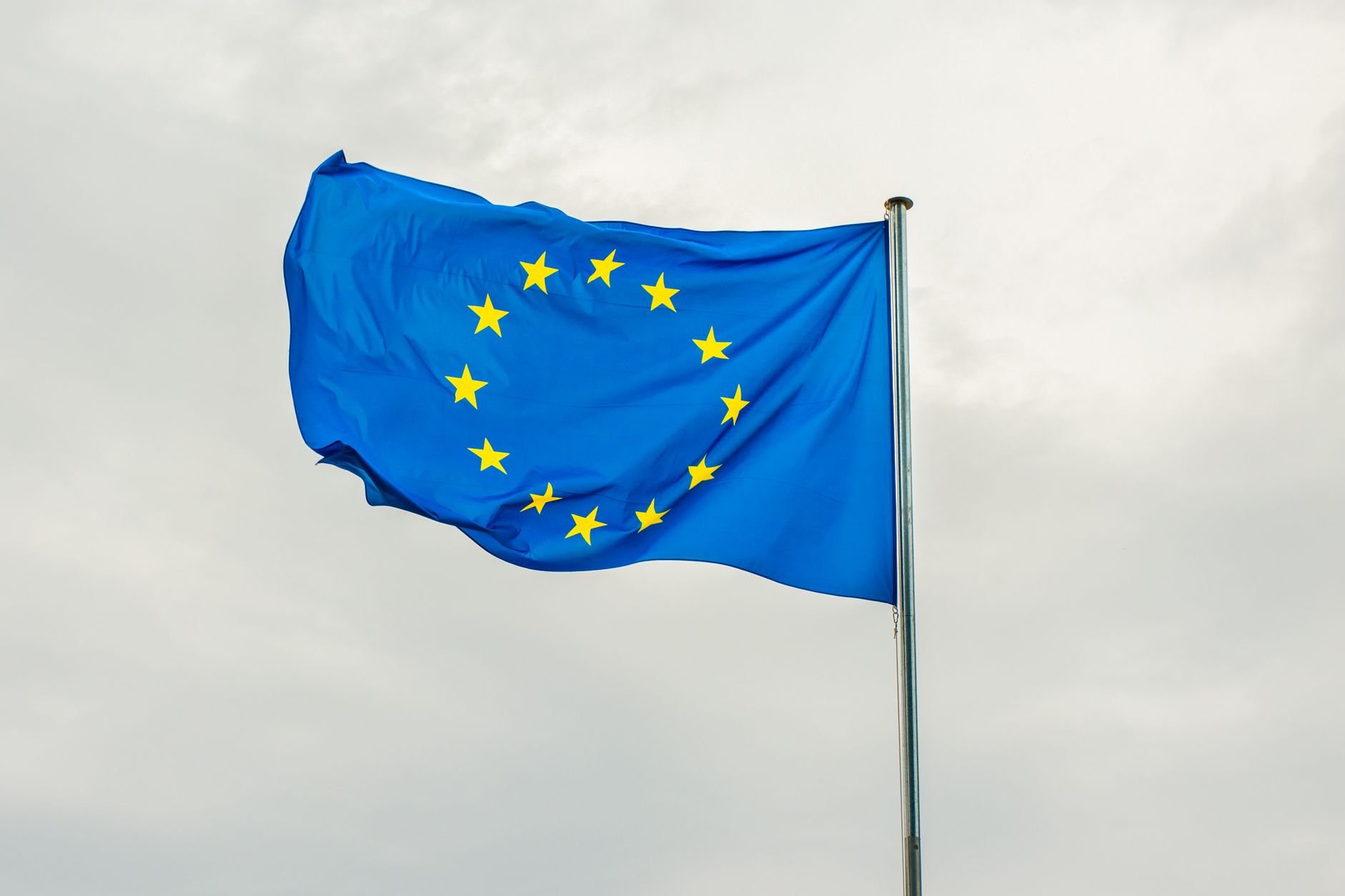
In the shadow of towering technology giants, Europe finds itself at a crossroads. The quest for technological sovereignty is no longer a matter of preference but a pressing necessity. Recent global events, such as the US decision to restrict access to advanced AI models, have sharpened the focus on Europe’s vulnerabilities.
Europe's dependency on the USA and China for critical technologies has become a cause for concern among its political and business leaders. The reliance is not just on hardware but extends to data and intellectual property, highlighting a lack of control over what the EU considers essential for its future prosperity and stability.
The EU Chips Act: A Step Towards Autonomy
The European Union has responded with substantial initiatives, most notably the €43 billion EU Chips Act. This ambitious programme is designed to boost the continent’s capacity in chip design, manufacturing, and advanced packaging. It’s a pivotal part of the EU’s strategy to build a more self-reliant technological ecosystem.
Yet, despite these efforts, achieving technological sovereignty is easier said than done. The scale of investment required to compete with established players like the US and China is enormous. Moreover, the lack of a unified definition of technological sovereignty complicates coordinated action across member states.
Strategic Imperatives and Challenges
The COVID-19 pandemic has underscored the fragility of global supply chains, prompting Europe to reconsider its strategic priorities. As the world becomes increasingly digital, control over technology translates directly into geopolitical power.
For Europe, the challenge is not just technological but also political. Coordination among diverse nations, each with its own priorities and capabilities, is a Herculean task. Yet, the stakes are too high to ignore. Achieving technological sovereignty is crucial not only for economic resilience but also for maintaining Europe’s strategic autonomy in a rapidly evolving world.