EU's New Emissions Rules Promise Clarity for Farmers and Cleaner Air
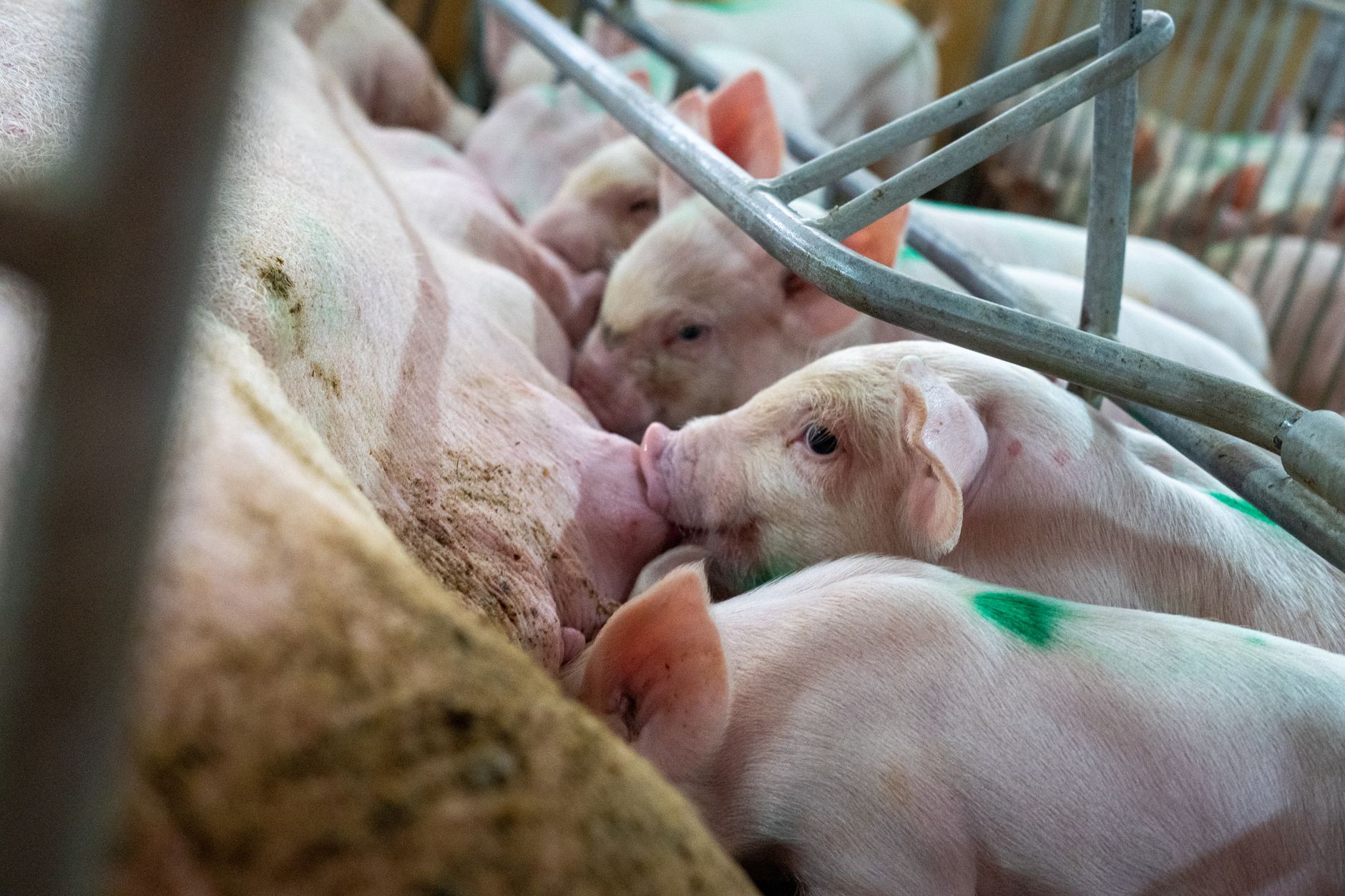
In a move that promises to reshape agricultural environmental practices, the European Union has unveiled new emissions guidelines aimed at pig and poultry farms. These rules, which will come into effect between 2030 and 2032 depending on farm size, aim to cut down on ammonia, nitrogen, and phosphorus emissions. With a focus on reducing bureaucratic hurdles, the EU hopes to make compliance simpler for farmers while still maintaining rigorous environmental standards.
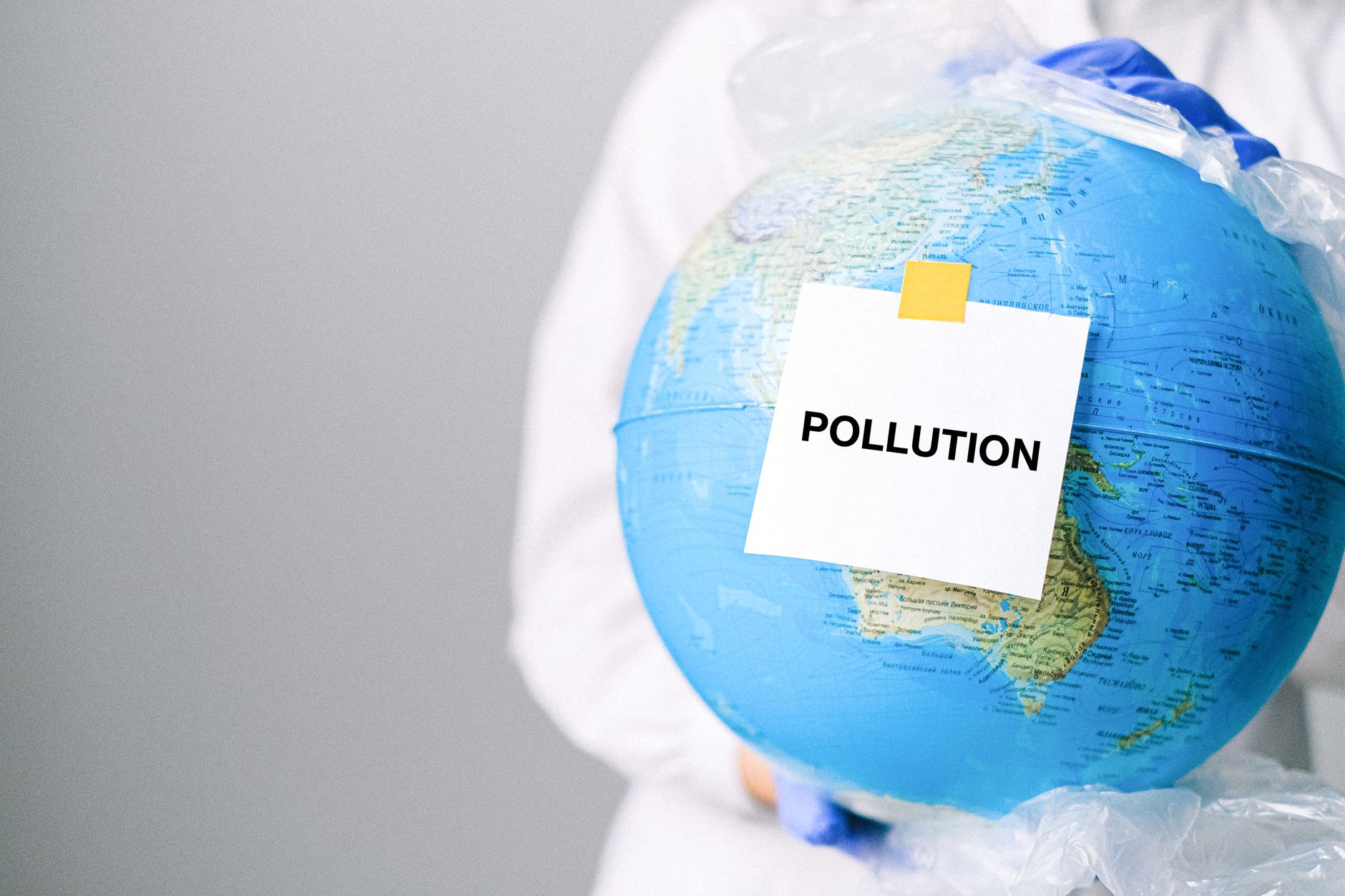
The initiative, introduced by the European Commission, is not just about ticking boxes on environmental checklists. It is a response to growing concerns about air quality and climate change, with agriculture being a significant contributor to these issues. Ammonia emissions, in particular, have been linked to air pollution and respiratory problems, making their reduction a public health priority.
Fewer Forms, More Impact
One of the most notable aspects of the new framework is its promise to reduce red tape. Farmers have long complained about the administrative burden that comes with adhering to environmental regulations. Under the new system, they can expect fewer forms and simpler processes, allowing them to focus more on implementing actual changes on their farms.
By cutting down on bureaucracy, the EU aims to encourage more farmers to engage actively with the new guidelines. The Commission's approach reflects a broader trend in policy-making: achieving environmental goals without stifling economic activity.
Balancing Act
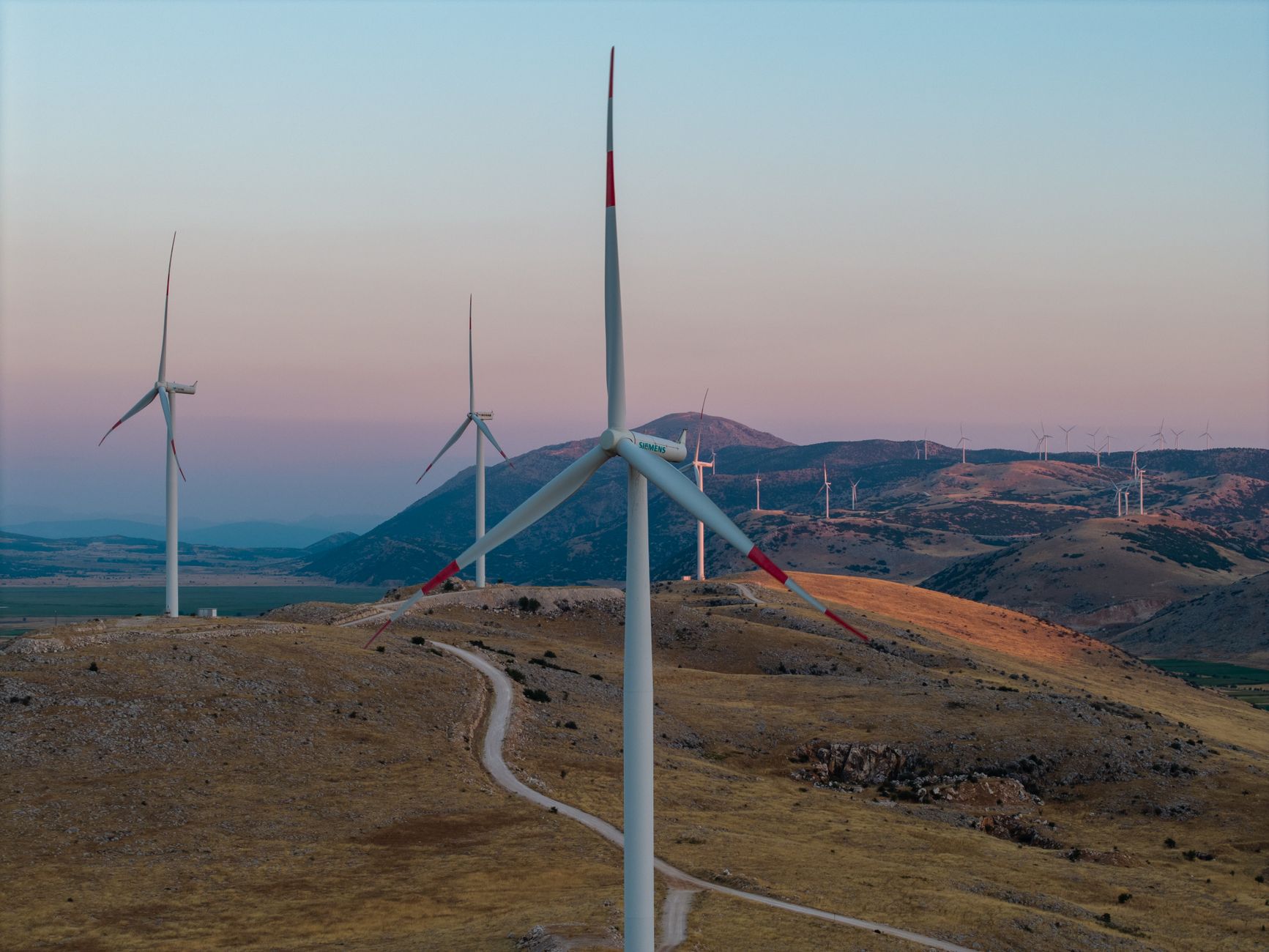
The success of these regulations will depend largely on their implementation and the willingness of farmers to adopt them. The EU has assured that while rules are simplified, they will not compromise on the environmental protection front. This balance is crucial as Europe seeks to bolster its agricultural sector while addressing the pressing demands of climate change.
This development is likely to be watched closely by policymakers and environmentalists alike. If successful, it could serve as a model for other regions grappling with similar issues. For now, the focus remains on ensuring that the new rules deliver on their promise of cleaner air without burdening farmers with unmanageable regulations.