Exam Leaks and Centralisation: The Roots of Student Unrest
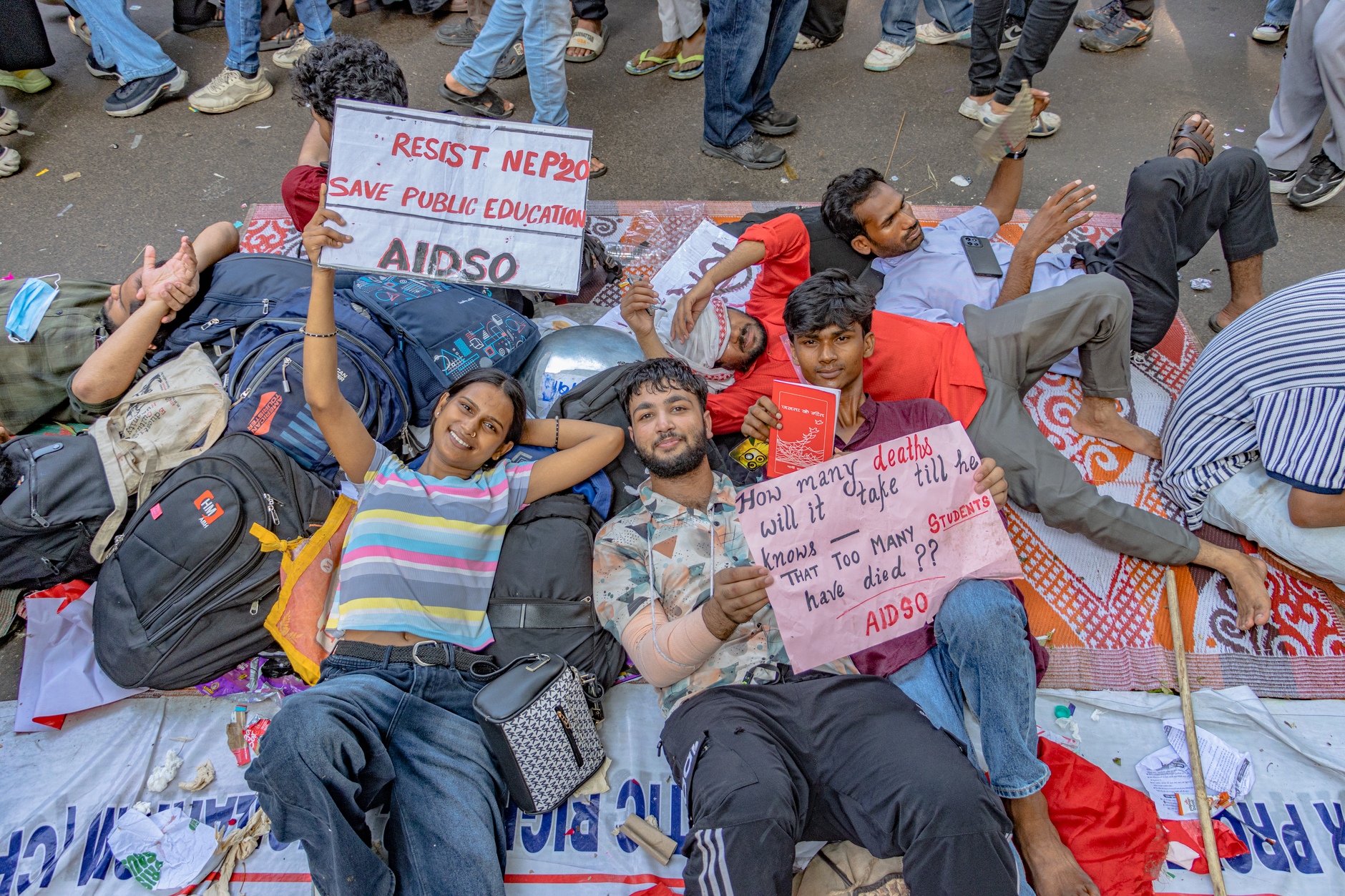
The resignation of India's Education Minister, Dharmendra Pradhan, has brought a temporary respite to the student protests that have gripped the nation in recent weeks. However, experts warn that the issues underlying the unrest—graft and centralisation—remain unaddressed and could resurface if systemic reforms are not undertaken.
For the past several weeks, the streets of India have been alive with the discontent of young protesters. Their grievances revolve around the repeated leaks of examination papers, particularly those for medical school entrance exams. The leaks have forced millions of aspiring medics to retake their tests, sparking outrage and frustration.
At the heart of the matter is a deep-seated belief that corruption and excessive centralisation within the education system are to blame. These systemic issues have not only jeopardised the futures of countless students but have also exposed the fragile infrastructure of the education system itself.
A System Under Strain
The recent events have shone a harsh light on the Indian education system's vulnerabilities. With nearly 2.2 million students affected by the leaks, the scale of the crisis is unprecedented. Critics argue that the centralisation of exam administration has made the system more susceptible to graft and inefficiency.
Rahul Gandhi, among other political figures, has lent his voice to the students' cause, demanding accountability from those responsible for the leaks and the subsequent police crackdown on protesters in Delhi. He has called for Prime Minister Narendra Modi to issue a public apology, an act that would signal a commitment to addressing the root causes of the unrest.
The Path Forward
While the resignation of Pradhan offers a symbolic victory for the students, it does little to address the structural issues at play. Experts suggest that a decentralised approach to exam administration and a transparent mechanism for accountability could help mitigate future occurrences. The students' demand for reforms is not just about immediate relief but about ensuring that the education system is robust enough to withstand future challenges.
As India grapples with this crisis, the spotlight remains firmly on the government's next steps. Will they seize this opportunity to overhaul the system, or will it be business as usual? The students, it seems, will be watching closely.