Experts Scrutinise Environmental Report on Goa Rail Expansion
Under the canopy of controversy, the Wildlife Institute of India (WII) finds itself in the crosshairs as its Environmental Impact Assessment (EIA) for the proposed doubling of the Tinaighat-Kulem railway line comes under scrutiny. Experts have raised alarms, pointing to glaring omissions in the assessment, particularly concerning biodiversity and social impacts in the sensitive regions it traverses.
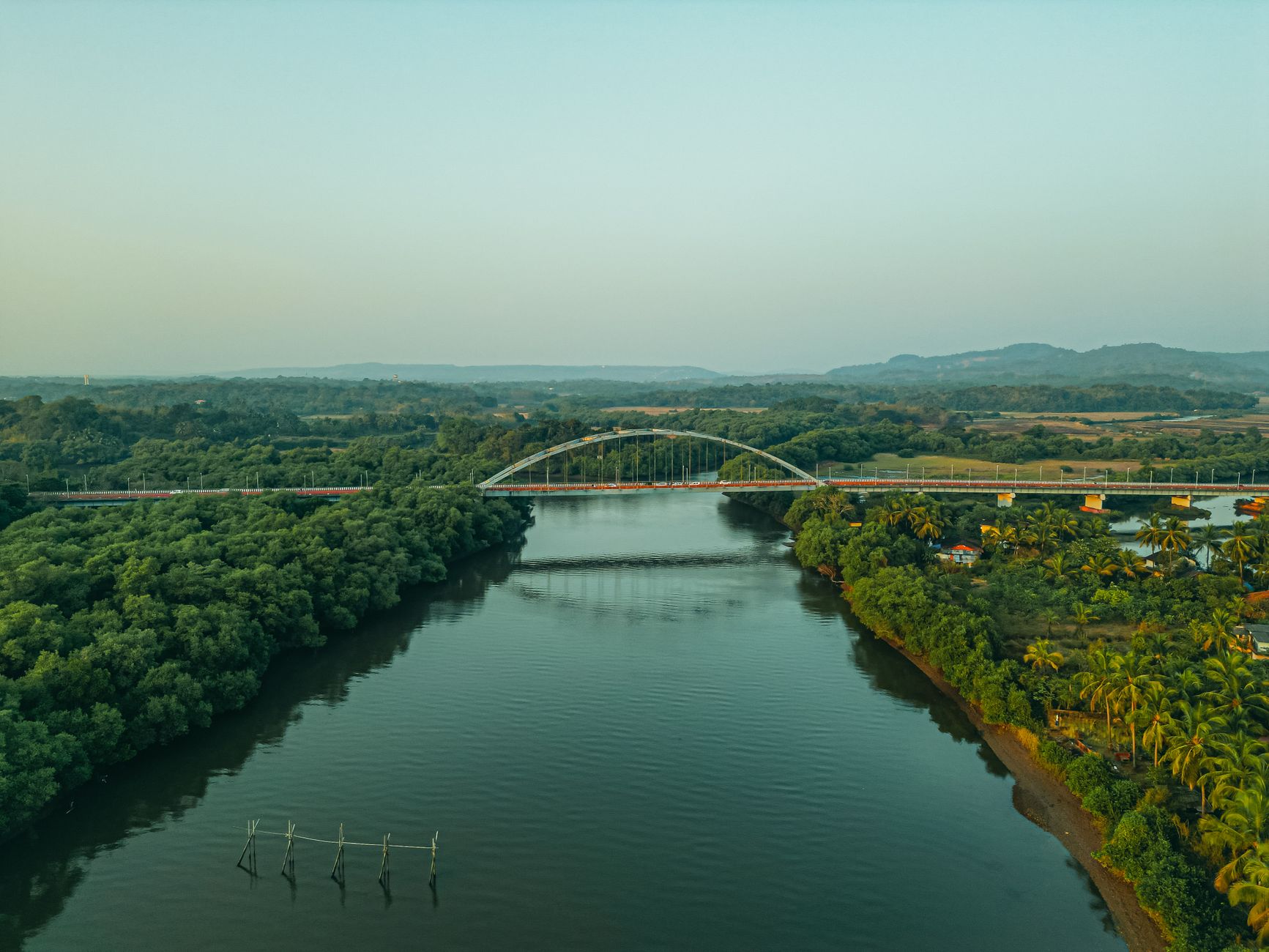
The project, which forms part of a broader 342 km expansion, aims to enhance the rail connectivity between the industrial sectors of Karnataka and the port of Goa. Yet, its path through Goa's Mollem National Park and Karnataka's Kali Tiger Reserve has become a flashpoint for environmentalists and local communities alike.
Environmental Oversights
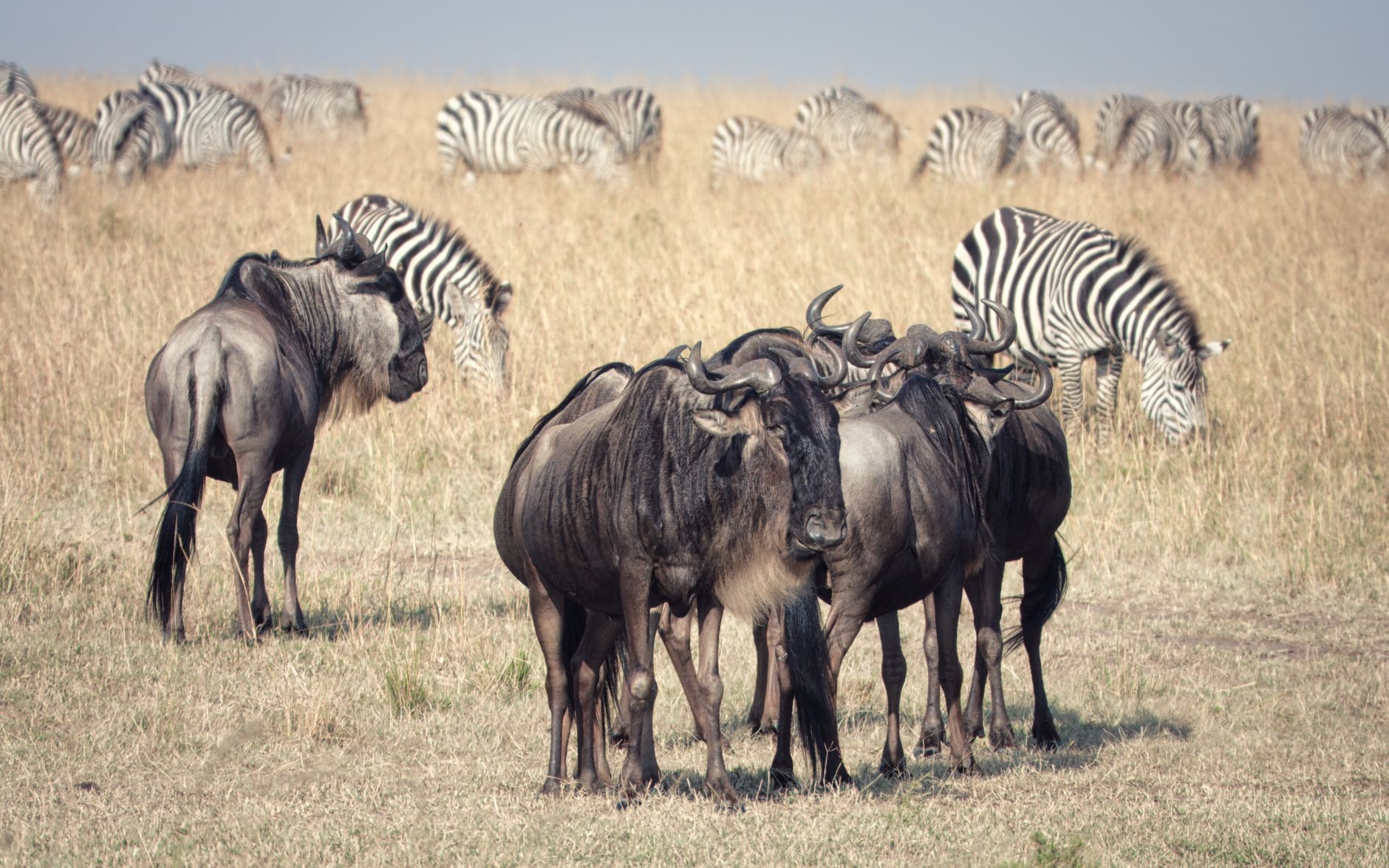
Critics argue that the omission of crucial biodiversity data and social impact assessments in WII's report is not merely an oversight but a grave lapse. The railway line is set to pass through 120.8 hectares of protected area, home to diverse flora and fauna, many of which are endemic to the Western Ghats.
Dr. Asha Kumar, an ecologist familiar with the region, remarked, "The Western Ghats is a UNESCO World Heritage site, and any development here requires a meticulous understanding of its ecological fabric. The current EIA fails to capture this complexity."
Community Concerns
Adding to the environmental concerns, local communities have expressed fears over the social repercussions of the railway expansion. Many residents worry about the displacement and disruption of their lives, which have been intricately linked to the land for generations.
An anti-double tracking group has been vociferous in its opposition, urging citizens to stand against the fresh environmental impact study. Their call to action emphasises the need for comprehensive assessments that consider both the environmental and social dimensions of the project.
While the National Board for Wildlife had given its nod to the project back in April 2020, the current debate underscores the need for a more balanced approach. Striking a harmony between infrastructure development and environmental conservation remains a delicate dance, one that demands both precision and empathy.