
Extraterrestrial Life: Are We Any Closer to Finding It?
The age-old question of whether we are alone in the universe has once again captured the public's imagination. Recent announcements regarding potential signs of alien life have sent ripples through the scientific community. However, a significant number of astrobiologists remain unconvinced by the current evidence.
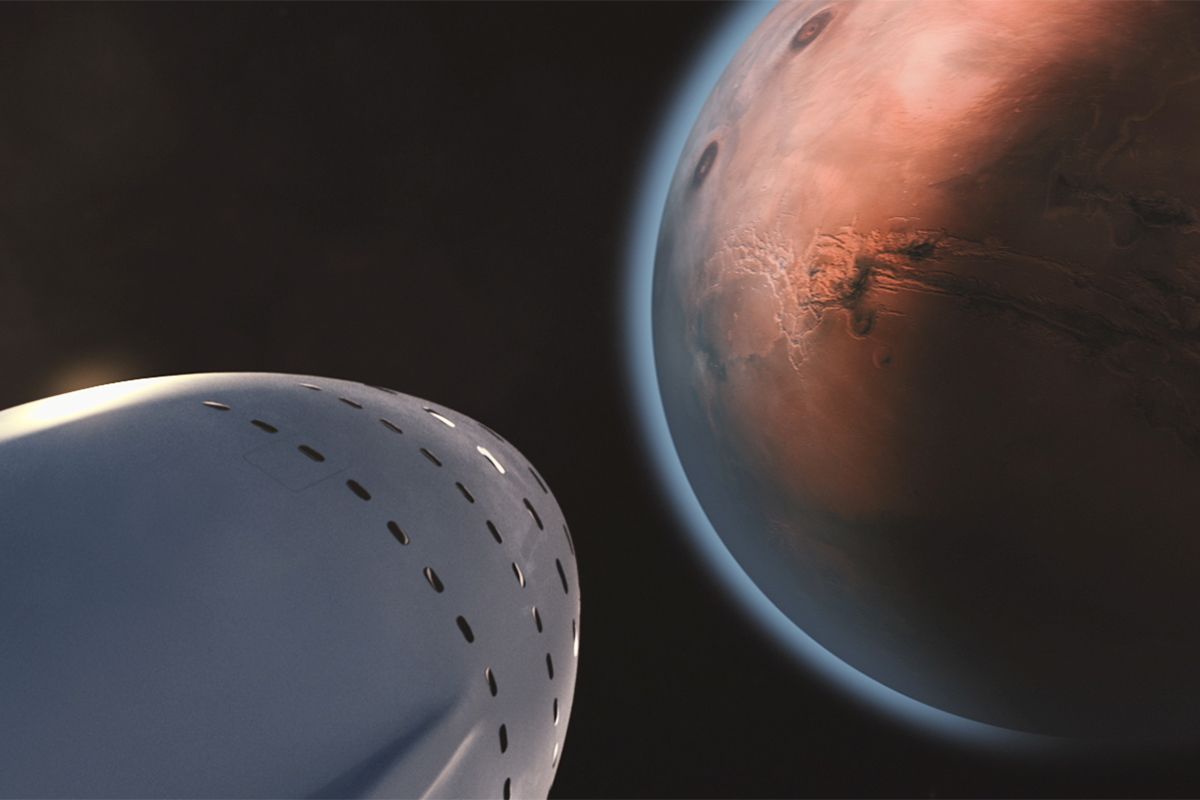
In 2025, two major findings suggested the presence of biological molecules on the distant exoplanet K2-18b and hinted at possible biosignatures on Mars. Yet, according to a survey conducted by Durham University's C-Scope, only 6.6% of experts believe the discovery on K2-18b likely indicates extraterrestrial life. The numbers were slightly more optimistic for Mars, with 15.1% considering the findings significant.
The scepticism stems from the lack of conclusive evidence. While atmospheric analysis and the search for biosignatures remain central to the quest, scientists are also exploring technosignatures, signs of advanced alien technology, through the efforts of SETI (Search for Extraterrestrial Intelligence).
Despite the scepticism, the belief in the existence of extraterrestrial life persists. A majority of scientists hold that alien life, even in advanced forms, is plausible. Yet, the need for definitive proof remains pressing. The scientific community continues to tread cautiously, balancing excitement with rigorous scrutiny.
As technology advances, the hope is that clearer evidence will emerge. Until then, the quest for alien life remains a tantalising mystery, fuelling both public curiosity and scientific endeavour.


