Facial Recognition Use at NEET Protests Sparks Supreme Court Challenge
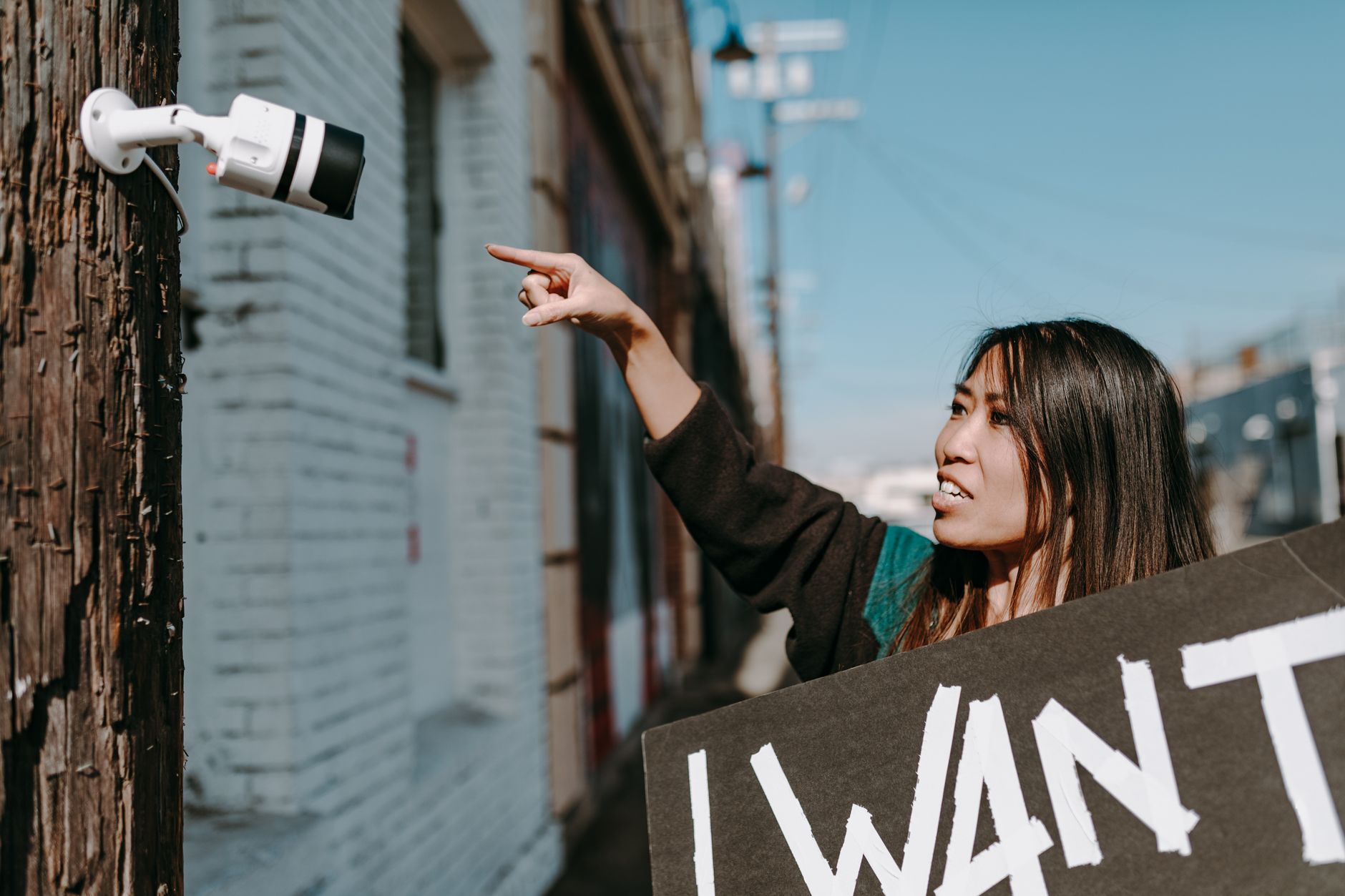
The contentious use of facial recognition technology at recent NEET protests in Delhi has found its way to the doors of the Supreme Court. A.A. Rahim, a Rajya Sabha MP from the Communist Party of India (Marxist), has filed a Public Interest Litigation challenging the deployment of such technology, citing grave concerns over privacy and constitutional rights.
Rahim's petition targets the Delhi Police's alleged use of facial recognition systems and other biometric surveillance methods during the youth-led demonstrations at Jantar Mantar. These protests were ignited by allegations of a paper leak in the National Eligibility cum Entrance Test (NEET), a critical examination for aspiring medical students across India.
The crux of Rahim's argument lies in the absence of a comprehensive legal framework governing the use of such intrusive technology. Without clear regulations, he contends, the deployment of facial recognition systems poses a significant threat to individual privacy and civil liberties, potentially leading to misuse and abuse of power.
While the Delhi Police maintain that the technology aids in maintaining law and order, especially in large gatherings, critics argue that the risks outweigh the benefits. The indiscriminate collection of biometric data, Rahim argues, is a breach of citizens' rights protected under the Indian Constitution.
The Broader Implications
This legal challenge raises broader questions about the balance between security and privacy in a rapidly digitising world. As governments and law enforcement agencies worldwide increasingly turn to technology for surveillance, the debate over privacy rights versus public safety intensifies.
In India, where digital literacy and data protection laws are still evolving, the implications of such technology are profound. Rahim's petition not only seeks to halt the use of facial recognition at protests but also calls for a broader discourse on privacy rights in the digital age.
The Supreme Court's response to this petition could set a precedent, influencing how surveillance technology is regulated in the future. As the case unfolds, it will test the judiciary's stance on privacy in the face of technological advancements, setting the stage for potential legislative reforms.