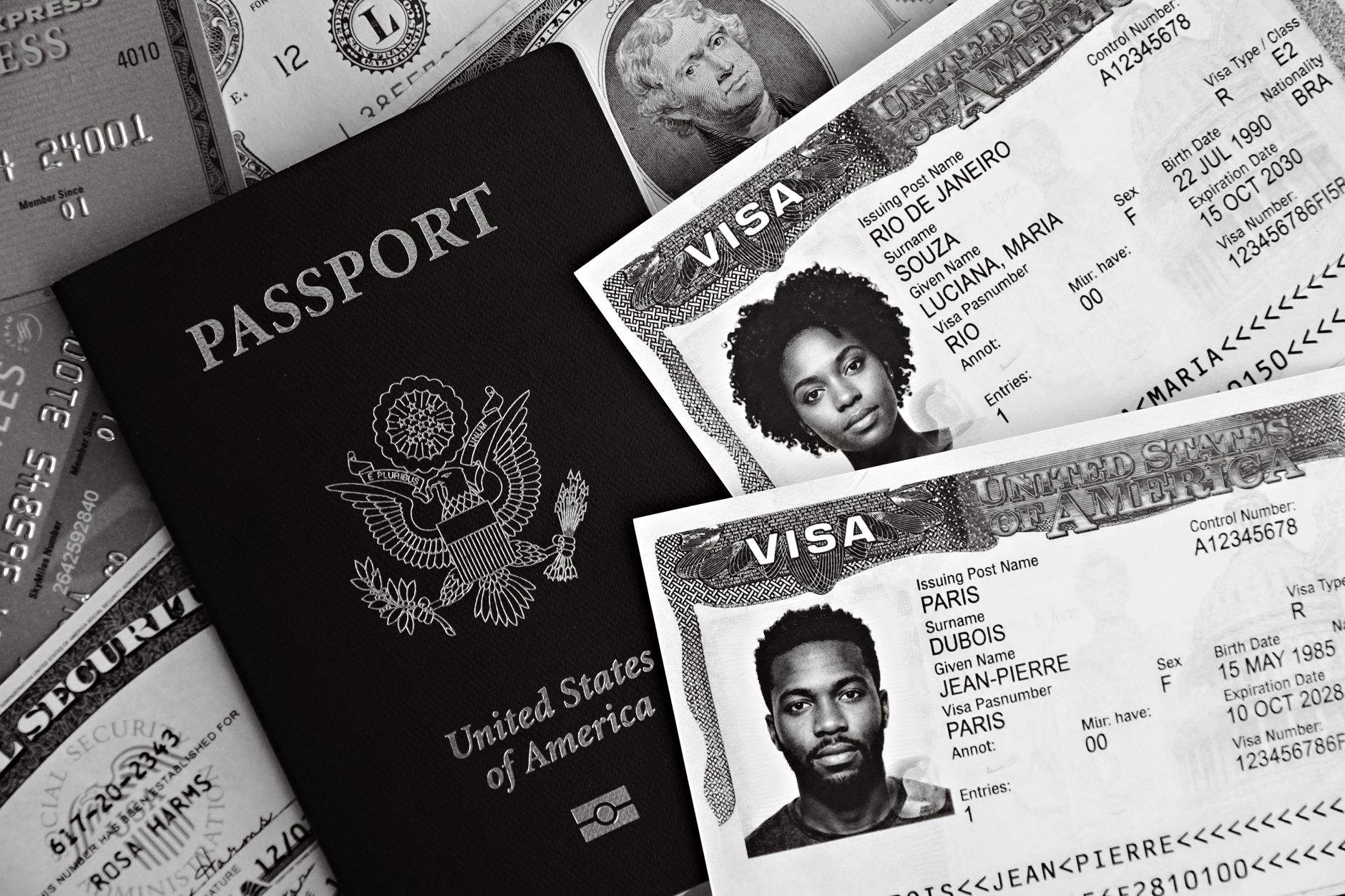
Facial Recognition's Original Subjects: The First Faces

In the annals of technology, few innovations have stirred as much debate as facial recognition. Yet, like many breakthroughs, its story begins with a lesser-known chapter. In the early 1990s, the US Department of Defense embarked on an ambitious endeavour to teach computers to recognise human faces. At the heart of this initiative were the so-called 'Adams and Eves' of facial recognition – a group of individuals whose images were used to train early algorithms.
The Facial Recognition Technology (FERET) programme, as it was known, was a pioneering effort to create a database of human faces. These images served as the foundational dataset that enabled computers to begin understanding and identifying facial features. The implications of this work were profound, setting the stage for the facial recognition systems now embedded in everything from smartphones to surveillance networks.
The Ethical Quandary
While the technical achievements of the FERET programme were undeniably significant, they also sparked ethical concerns that continue to resonate today. The individuals whose faces comprised the original dataset were often unaware of their participation, raising questions about consent and privacy. As facial recognition technology has evolved, these concerns have only intensified.
Critics argue that the technology, in its current form, can lead to intrusive surveillance and potential misuse by both state and corporate actors. Yet, proponents point to its benefits in enhancing security and streamlining identification processes. The dual-edged nature of this innovation highlights the importance of robust ethical frameworks and regulatory measures to govern its use.
A Look to the Future
As debates around privacy and civil liberties continue to swirl, understanding the origins of facial recognition technology offers valuable insights. The 'Adams and Eves' may have been unwitting pioneers, but their role underscores the ongoing tension between technological advancement and human rights.
Today, as society grapples with the implications of rapidly advancing tech, revisiting these early chapters may help guide discussions towards a more balanced and ethical deployment of facial recognition systems.