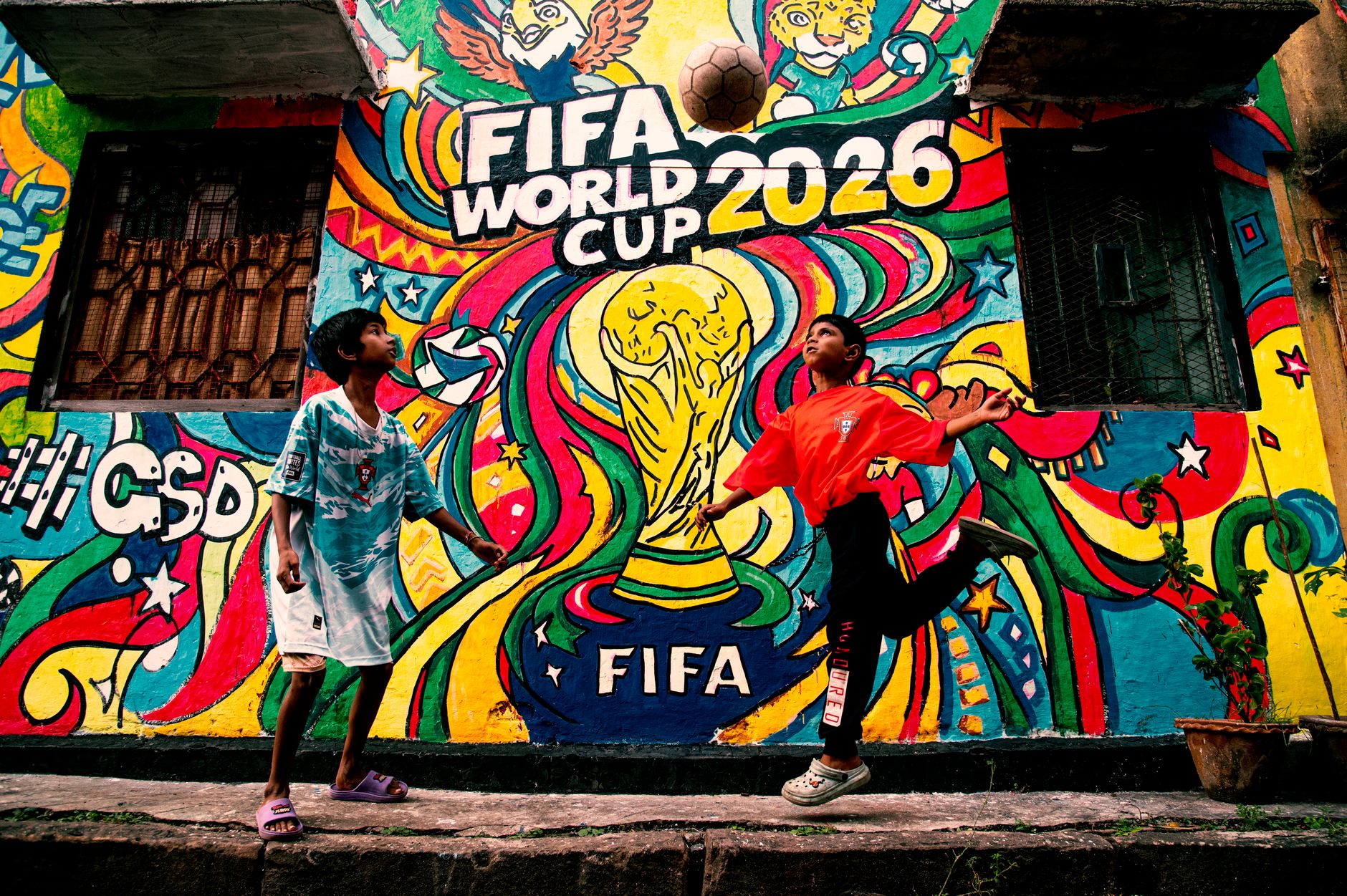
FIFA World Cup 2026: A New Era of Football Awaits
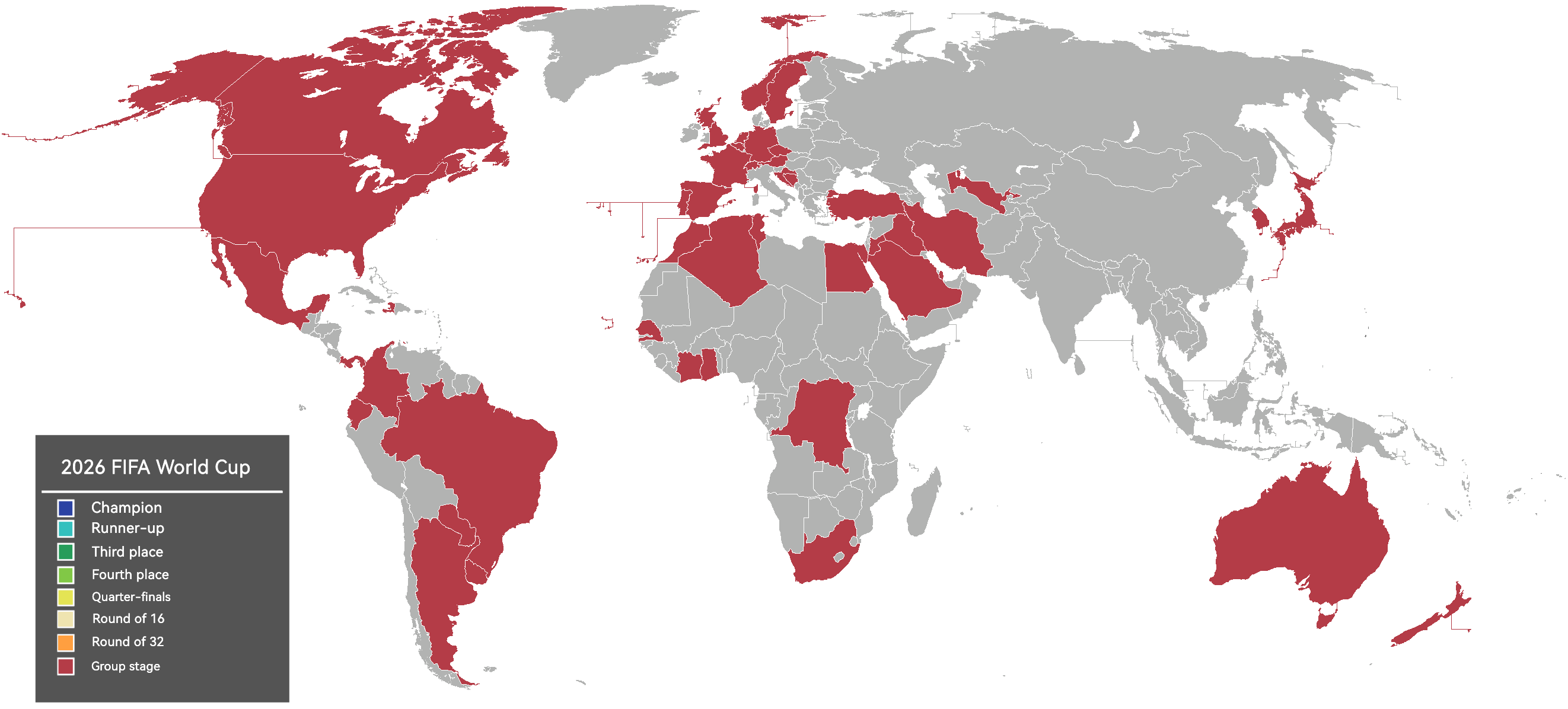
As the summer of 2026 approaches, the world's footballing eyes turn towards North America, where the FIFA World Cup will be held across the United States, Canada, and Mexico. This edition is set to be the largest in history, with 48 teams vying for global supremacy across 104 matches. It's a tournament of firsts, promising not only an expanded stage but also a grander celebration of the sport.
What sets the 2026 World Cup apart is its sheer scale. Never before has the competition featured so many nations, offering a platform for both established footballing giants and emerging nations to shine. The tournament will kick off on 11 June and culminate on 19 July, promising over a month of thrilling football. Fans can expect a feast of skill and drama, with young talents like Spain's Lamine Yamal poised to make their mark alongside seasoned stars.
Stadiums across North America are being readied for the spectacle. From the historic Boston Stadium, which previously hosted the FIFA Women's World Cup, to state-of-the-art arenas built for the occasion, the venues promise to be as impressive as the matches themselves. Each match will be a cultural exchange, with fans from around the world bringing their passion and colours to the stands.
But beyond the pitches and the players, the 2026 World Cup signifies a new chapter in football governance. FIFA's decision to expand the tournament reflects a commitment to inclusivity and growth, recognising the global reach of the sport. This expansion also means more opportunities for nations to participate, potentially changing the dynamics of international football.
As the countdown continues, anticipation grows. The 2026 FIFA World Cup is not just a tournament; it's a global event that promises to unite cultures, showcase talent, and redefine the beautiful game's future.