
Finnish Scientists Submerge Christmas Trees to Revive Lake Ecosystem
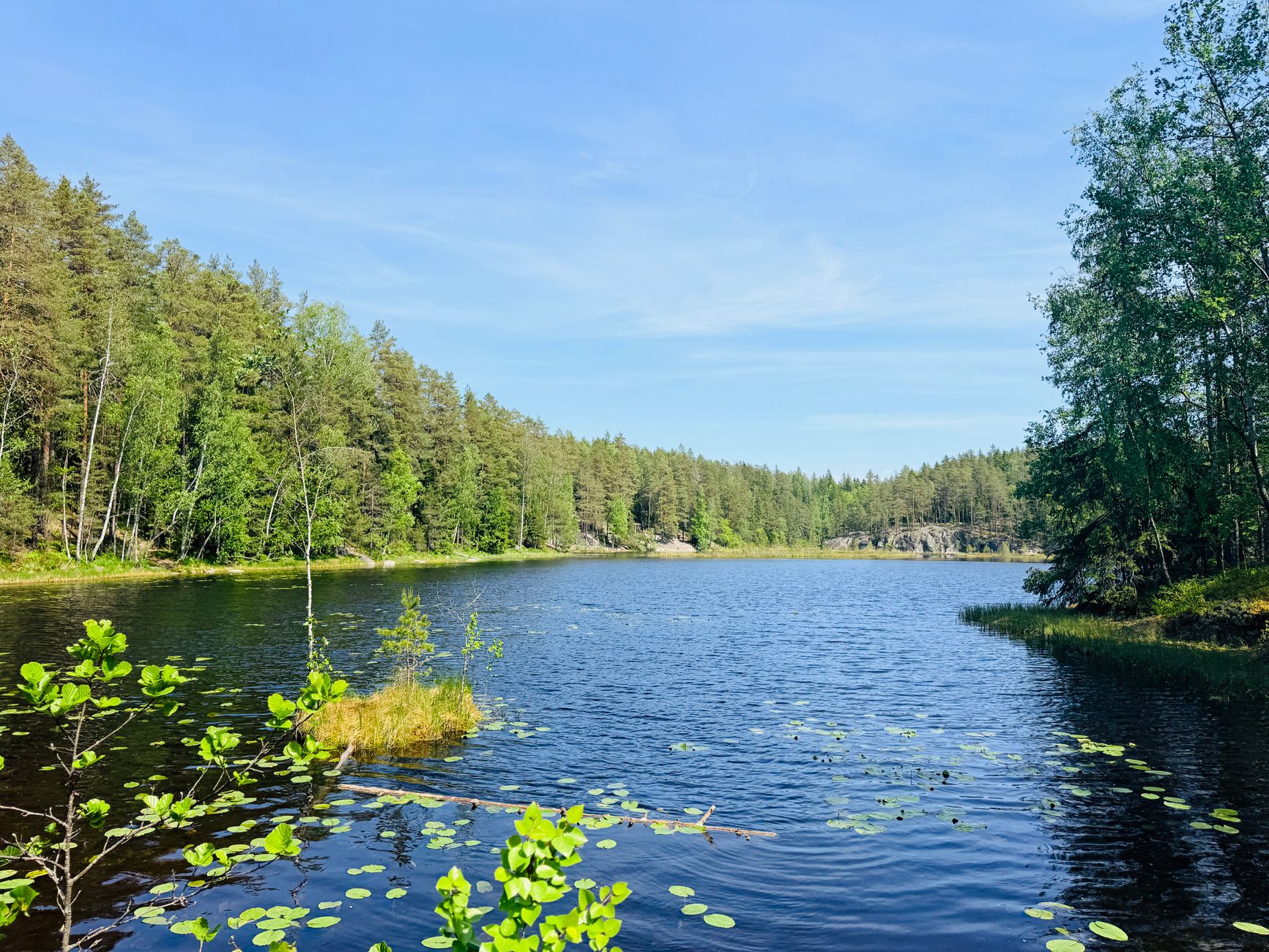
Three years ago, a group of intrepid Finnish scientists embarked on an unexpected ecological mission. Armed with 1,500 discarded Christmas trees, they ventured out onto the frozen surface of a Finnish lake. The trees were not for decoration, but rather for a bold experiment aiming to rejuvenate the lake's ecosystem.
The concept was as simple as it was ingenious: submerge the trees to create new habitats on the lake bed. The idea took root from the realisation that these conifers could serve as an artificial reef, providing refuge and sustenance for aquatic life.
The Science Behind the Sinking
In the natural world, trees play a vital role beyond their rooted existence on land. When submerged, they offer complex structures that attract fish, microorganisms, and other aquatic species. These trees, now nestled at the bottom of the lake, have transformed into vital underwater ecosystems. The decaying wood releases nutrients, fostering algal growth which, in turn, supports a burgeoning fish population.
Over the past three years, the results have been promising. Scientists report a marked increase in biodiversity, with species of fish and invertebrates flourishing in the once-barren waters. Moreover, the water quality has improved, thanks to the increase in plant life and the complex food web that has developed around the submerged trees.
Implications and Future Prospects
While the notion of sinking Christmas trees into lakes is not entirely novel, the Finnish project is among the first to systematically document its ecological impact. The findings are encouraging and could inspire similar initiatives globally, particularly in regions where lakes suffer from low biodiversity and poor water quality.
This experiment also highlights the potential for creative solutions in addressing environmental challenges. By repurposing what would otherwise be waste, the scientists have not only helped to enhance a local ecosystem but have also set a precedent for sustainable practices in environmental management.
As climate change and human activities continue to threaten natural habitats, such innovative approaches may increasingly become vital. The humble Christmas tree, once a symbol of festive cheer, has found a new lease of life beneath the water's surface, playing a crucial role in the aquatic world.


