Fire Amoeba: NASA Uncovers Life in Scorching Extremes
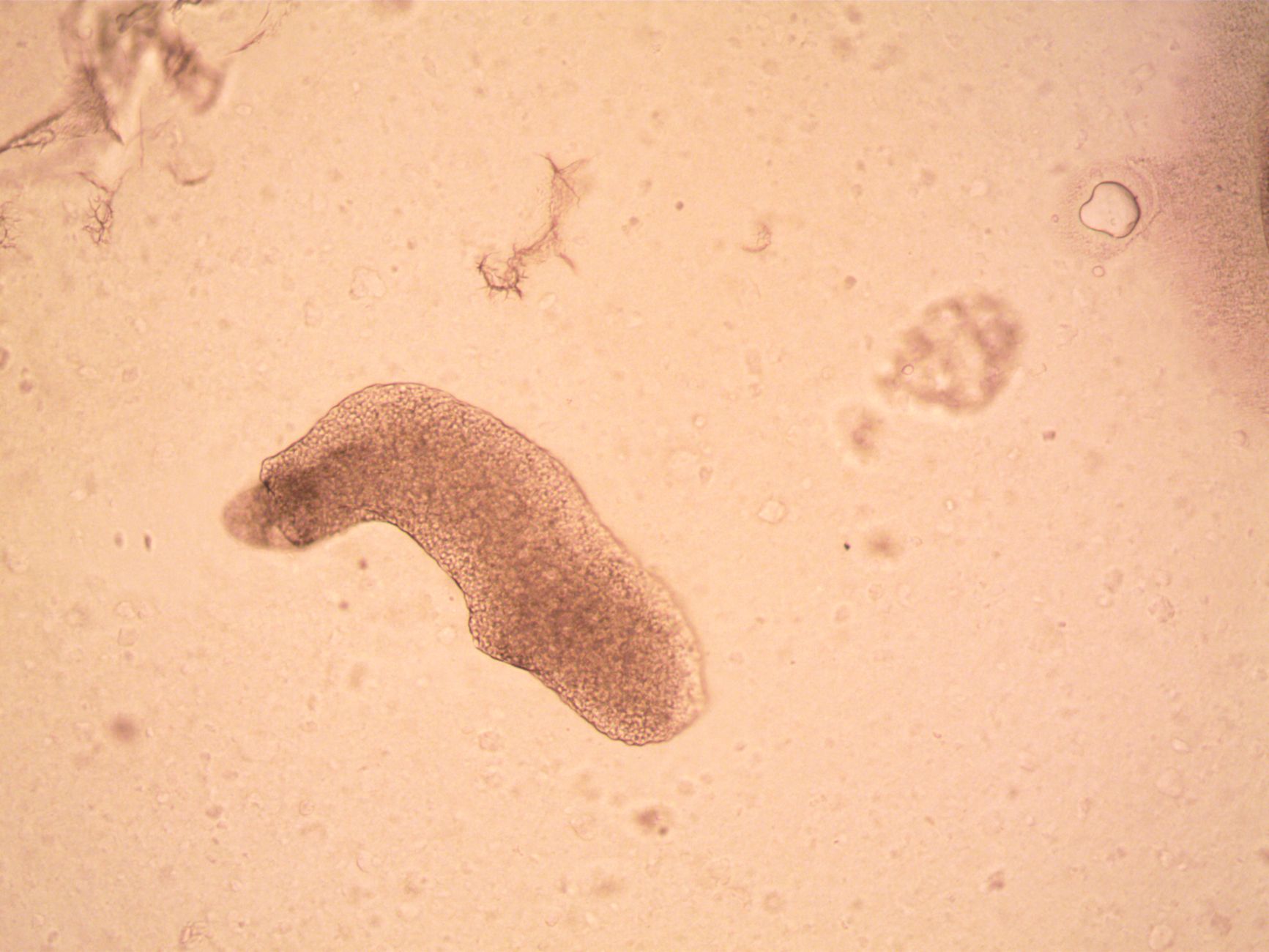
In a remarkable twist of nature's resilience, scientists funded by NASA have discovered an amoeba thriving in temperatures that would make even the hardiest of life forms wilt. Found in the geothermal springs of California, this newly described organism has set a scorching record, reproducing at an astonishing 63°C. This discovery not only shatters previous assumptions about the thermal limits of complex life but also opens new horizons in the search for extraterrestrial existence.
Dubbed the 'fire amoeba', this tiny marvel challenges the known boundaries of eukaryotic life. Eukaryotes, unlike simpler forms of life, possess complex cells with a nucleus. Until now, such organisms were thought to be unable to withstand such extreme heat, as high temperatures typically cause proteins and essential biomolecules to unravel and malfunction.
A Scientific Breakthrough
Leading the research, Beryl Rappaport, a graduate student at Syracuse University, noted that while heat is a significant factor, it is not the sole determinant of life's viability. The amoeba's genome sequencing revealed a fascinating adaptation: an abundance of genes dedicated to protein maintenance and DNA repair. These genetic traits likely equip the organism to withstand the punishing heat, offering a template for understanding how life might endure in similarly extreme environments elsewhere in the cosmos.
Alison Olcott, NASA's programme scientist for Exobiology, emphasised the broader implications of this discovery. 'By expanding the known conditions under which complex life can survive, we widen our perspective on where life might exist beyond Earth,' she remarked.
Implications for Astrobiology
This discovery is more than a mere academic curiosity; it is a potential paradigm shift in astrobiology. The fire amoeba's resilience suggests that planets once dismissed as too hostile could harbour life, albeit in forms we have yet to imagine. As scientists scour the universe for signs of life, this amoeba serves as a reminder that life is tenacious, adaptable, and often found in the most unexpected places.
As the search for life beyond our planet continues, the lessons learned from the fire amoeba may well guide future explorations of similarly extreme environments. The boundaries of life, it seems, are not as rigid as once thought, and in the vast, uncharted realms of the cosmos, who knows what other surprises await discovery.