Fire Amoeba Survives Scorching Temperatures, Defying Life's Limits
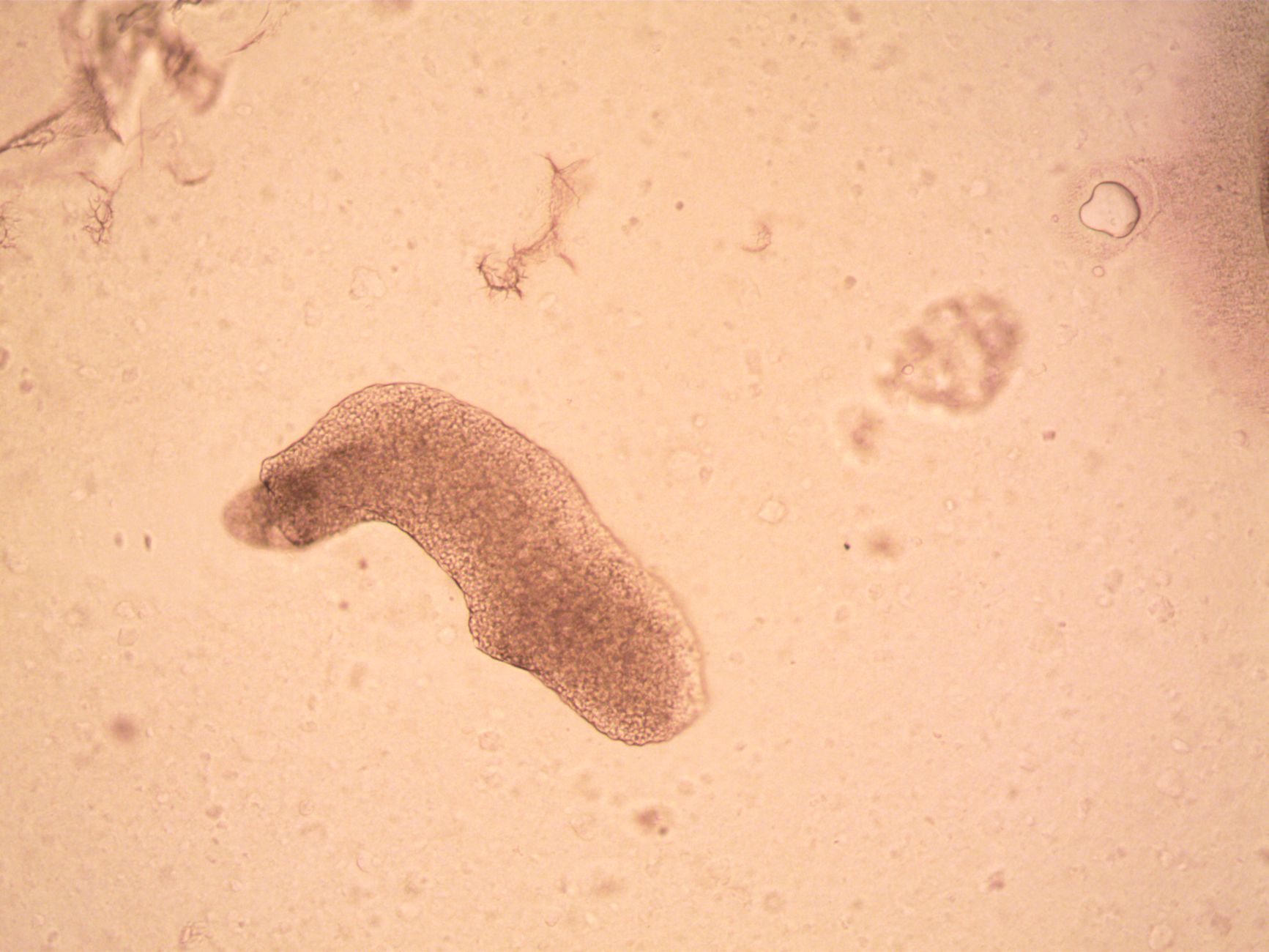
In the heart of California’s Lassen Volcanic National Park, where hot springs bubble and steam rises from crevices, scientists have uncovered a life form that defies the odds. The 'fire amoeba', as it's aptly named, has set a new record for the upper temperature limit at which complex life can exist, thriving at a searing 145 degrees Fahrenheit (63 degrees Celsius).
This discovery, funded by NASA and presented at the prestigious Goldschmidt Geochemistry Conference, challenges our notions of where life can thrive. Until now, such extreme conditions were thought to be inhospitable to eukaryotic life forms, which include everything from fungi to humans. The implications extend far beyond Earth, with the potential to reshape our search for life on exoplanets.
Researchers have identified three contributing factors to this remarkable feat: increasing day length, higher surface pressure, and the formation of continents. These conditions, they suggest, may have catalysed an increase in oxygen production, providing the necessary conditions for complex life to flourish in such hostile environments.
Dr. Allen Fisher, a leading scientist on the project, remarked, "The existence of such an organism expands our understanding of life's resilience. It shows us that life can endure and adapt in ways we never imagined."
The discovery of this heat-loving amoeba not only pushes the boundaries of biology but also injects new enthusiasm into the ongoing search for extraterrestrial life. Since the first discovery of exoplanets in 1992, scientists have been on the lookout for worlds that might support life. The fire amoeba's ability to thrive in extreme heat suggests that planets previously dismissed as too hot might actually harbour life.
As research continues, the scientific community is abuzz with the possibilities. Could this amoeba's resilience be mirrored in life forms elsewhere in the universe? With every new finding, the horizons of our understanding expand, challenging us to rethink life's potential across the cosmos.