Fireflies' Flicker: A New Light on Scientific Understanding
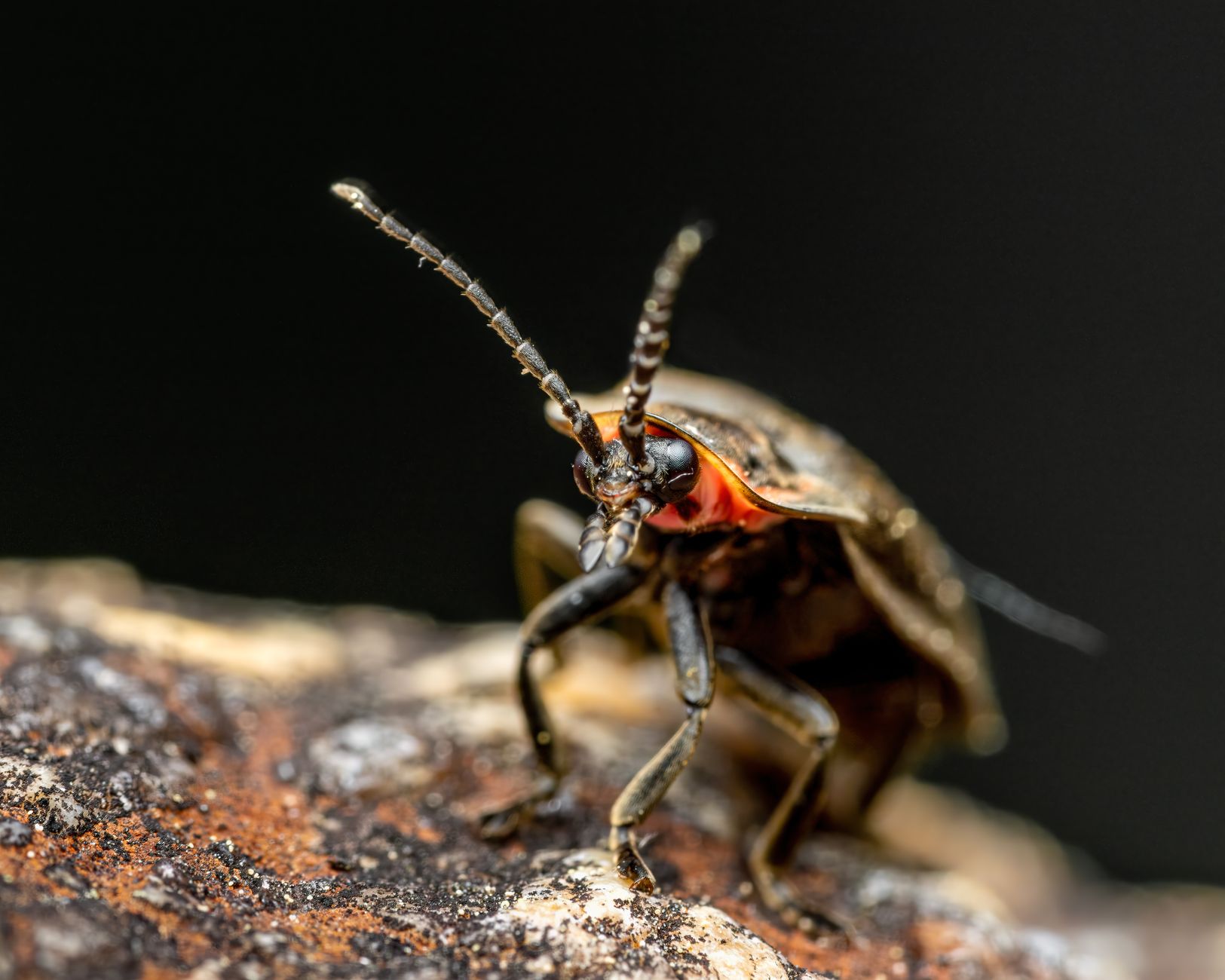
Fireflies, those enchanting insects that illuminate the night with their rhythmic glow, have long been a subject of scientific intrigue. Yet, a recent study published in the journal Science has upended a foundational assumption about their luminescent behaviour, suggesting that our understanding of biological rhythms might need a rethink.
For years, scientists believed that fireflies coordinate their light displays through a collective synchronisation, much like a well-rehearsed orchestra following a conductor's cue. However, this new research posits a far simpler, yet profound explanation: each firefly operates on its own internal clock.
The study, described as a landmark in entomological research, found that these internal clocks are unique to each firefly. The flashing occurs not by synchronising to an external leader, but rather when an individual firefly's clock 'strikes twelve'. This revelation challenges the notion of communal synchronisation, suggesting instead a chaotic yet beautifully organised display.
The implications of this discovery extend beyond the world of entomology. If fireflies, with their seemingly coordinated light shows, rely solely on individual timing, what might this mean for other species and phenomena governed by biological rhythms? Could it be that independence, rather than synchrony, is the norm in nature?
Rethinking Biological Rhythms
This finding encourages scientists to reconsider the mechanisms behind other biological processes, such as circadian rhythms in humans. Understanding these individualised patterns could unlock new approaches in fields ranging from chronobiology to behavioural science.
Moreover, the study arrives at a critical time as firefly populations face threats from habitat loss, light pollution, and pesticide use. These factors disrupt not only their natural habitats but potentially their internal clocks as well. Conservation efforts, thus, gain an added layer of urgency and complexity.
As researchers continue to delve into the intricacies of firefly light, this study serves as a reminder of the intricate balance within nature. It is a call to appreciate the subtle complexities that govern the natural world, often hidden in plain sight.