Florida's Robotic Rabbits: A High-Tech Solution to the Python Menace
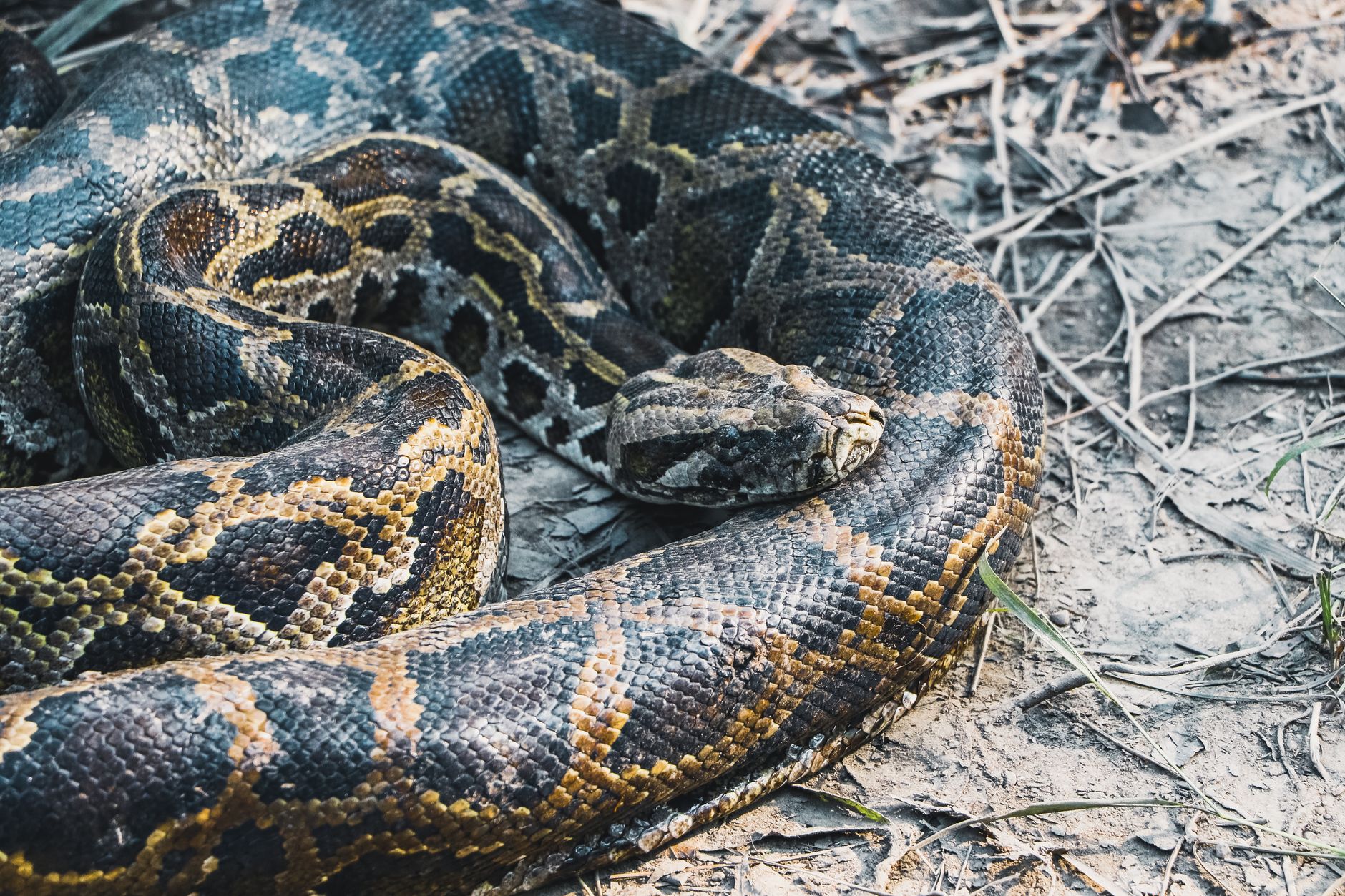
In the vast, swampy expanses of Florida's Everglades, a peculiar army of solar-powered rabbits is on the march. These aren't your regular furry creatures; they are sophisticated robotic decoys, designed to outsmart one of the region's most formidable invaders: the Burmese python.
The South Florida Water Management District, in collaboration with researchers from the University of Florida, has embarked on this unusual technological experiment. The aim? To draw out pythons from their well-concealed lairs in the dense undergrowth of the Everglades.
The Burmese python, a non-native species, has been wreaking havoc on the local ecosystem since its accidental introduction in the 1980s. With no natural predators and a voracious appetite, these snakes have decimated populations of native mammals and birds, leading to a severe imbalance in the ecological equilibrium.
Technological Ingenuity Meets Ecological Necessity
Enter the robotic rabbits, or 'robbits', as some have taken to calling them. Equipped with motion sensors and designed to mimic the movements of real rabbits, these machines are strategically placed across the Everglades. The idea is simple yet ingenious: entice the pythons to emerge and expose themselves to hunters and researchers, making capture and removal more feasible.
Tony Kirkland, a leading voice in this initiative, expressed optimism about the project. "It's projects like these that could potentially shift the balance in our favour," he stated, highlighting the importance of innovative solutions in combating ecological threats.
A Race Against Time
Yet, the deployment of robot rabbits is more than just an experiment in technology. It represents a race against time to save the Everglades' delicate ecosystem. The current python population is estimated to be in the tens of thousands, and traditional methods of control have proven insufficient.
The use of robotic aids is a testament to the lengths conservationists are willing to go to preserve nature. As these mechanical critters hop through the marshes, they carry with them the hopes of a region striving to reclaim its natural heritage.
Whether this high-tech gambit will succeed remains to be seen, but it undoubtedly marks a significant step in the ongoing battle against invasive species.