France's Pesticide Predicament: Balancing Farmers' Needs and Environmental Concerns
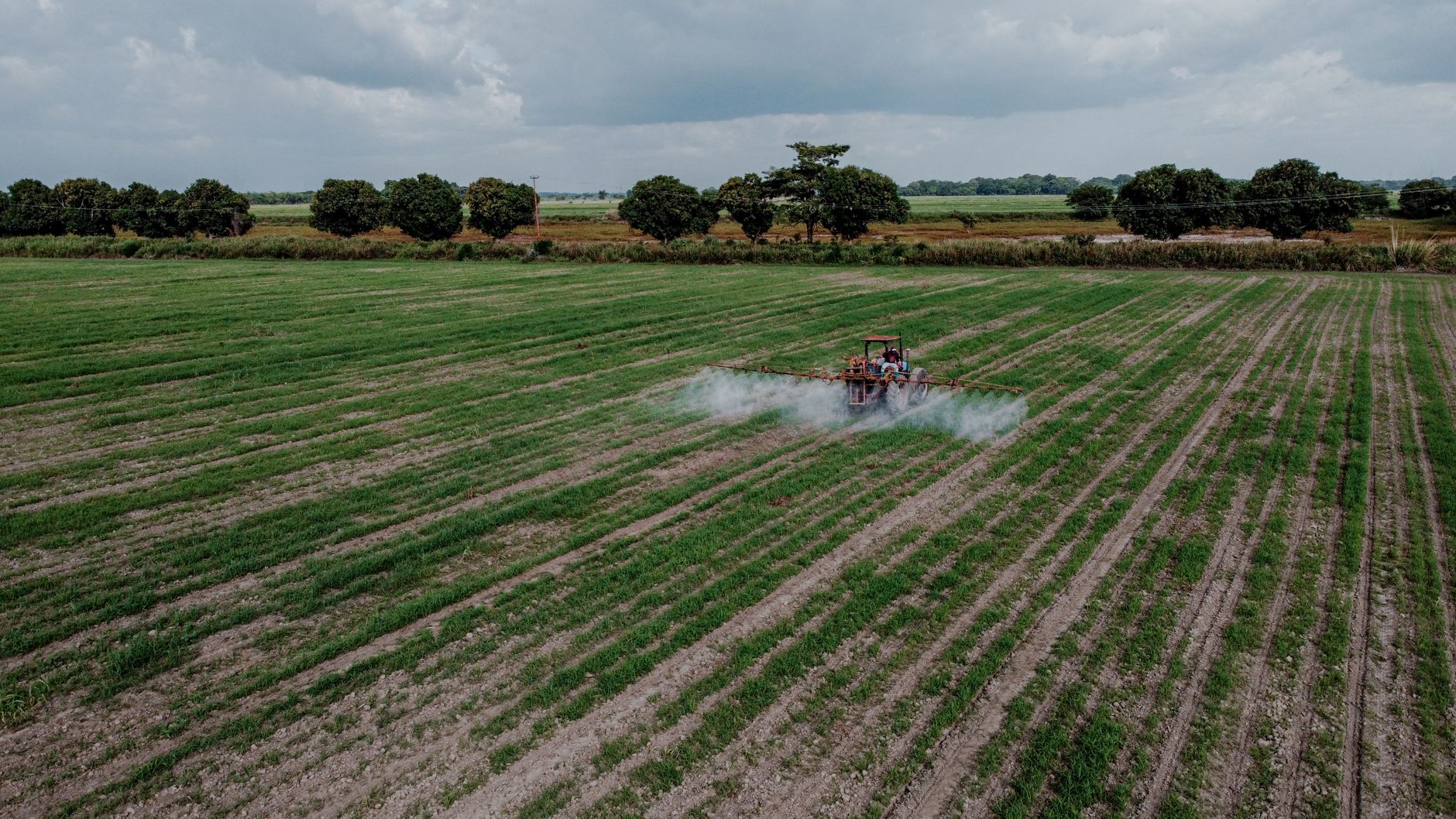
In a scene reminiscent of a political thriller, France's National Assembly recently witnessed a heated overnight debate that culminated in the approval of an emergency agriculture bill. This legislation might pave the way for a temporary return of two pesticides, previously banned in the country but still authorised across the European Union.
At the heart of the debate lies a classic conflict: the needs of agriculture versus environmental protection. French farmers, particularly those cultivating sugar beet, apples, and hazelnuts, argue that the reintroduction of these insecticides is crucial. They claim it levels the playing field against their European counterparts, who continue to use these chemicals.
Meanwhile, opponents of the bill raise alarms over the potential dangers posed by these pesticides. They point to studies highlighting risks to bee populations, crucial pollinators for numerous crops, and possible adverse effects on human health. The argument is not merely ecological but also public health-oriented, questioning the long-term impacts of pesticide exposure.
Environmental Concerns and Political Pressures
France's decision to reconsider these bans is not without its political ramifications. The government faces a balancing act, weighing the economic needs of its agricultural sector against mounting environmental and health concerns. This decision comes at a time when the French government is already navigating political turbulence, making the stakes even higher.
The controversy also reflects a broader European dilemma. While the EU strives for uniform standards, individual countries retain the right to impose stricter regulations. France's initial decision to ban these pesticides was part of a broader environmental strategy, aiming to position the country as a leader in sustainable agriculture. Yet, the pressures of economic competitiveness have brought these ambitions into question.
The Future of French Agriculture
As France grapples with this dilemma, the future of its agriculture hangs in the balance. The decision on whether to reintroduce these pesticides will likely set a precedent for how environmental policies are prioritised over economic pressures. It could also influence how the EU navigates similar tensions across its member states.
Ultimately, the question remains: how dangerous are these pesticides, and at what cost should they be used? As the French government deliberates, the world watches, keen to see whether economic resilience can coexist with ecological responsibility.