Francis Halzen's Antarctic Quest Wins Nobel Physics Prize
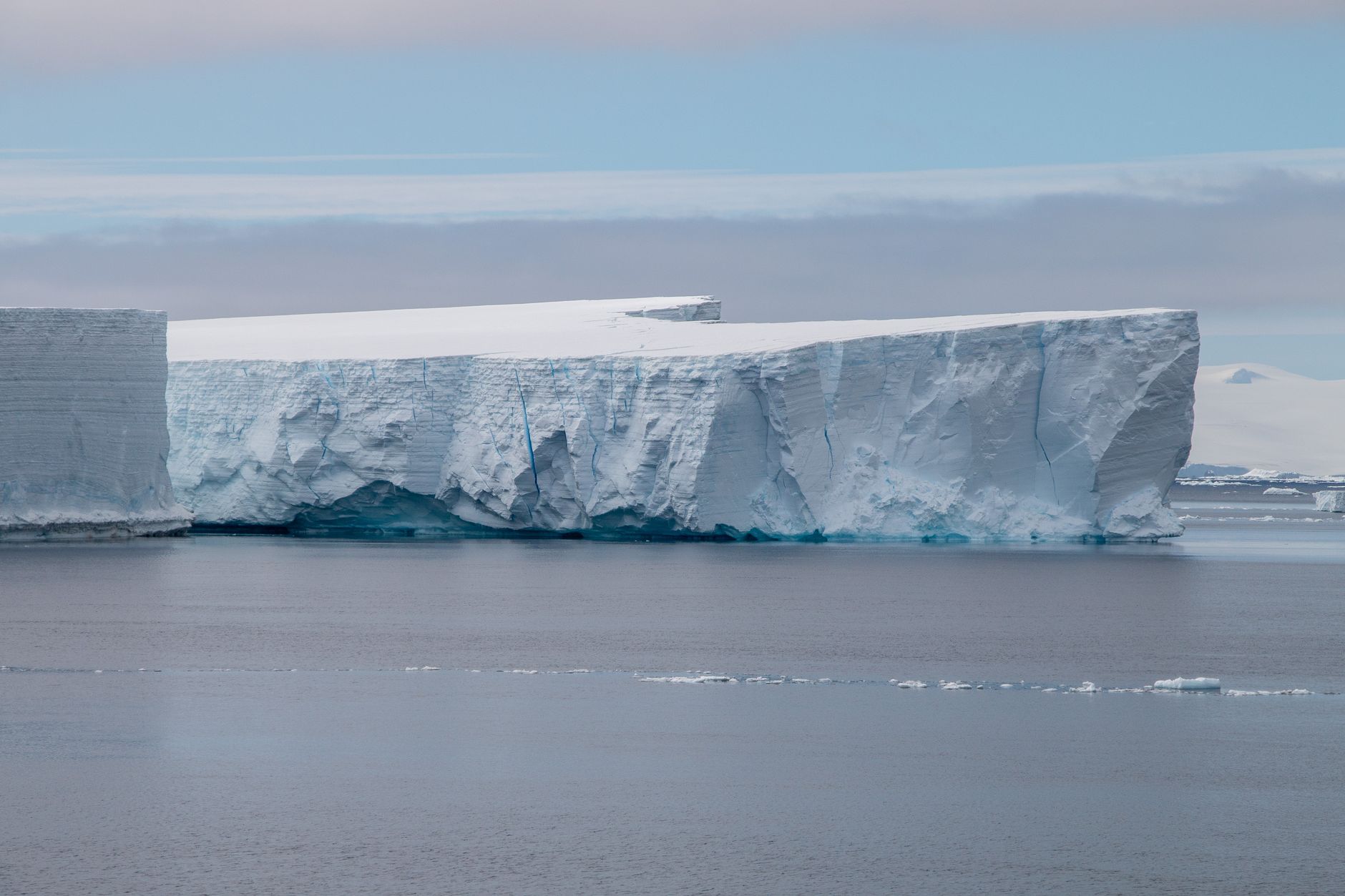
In a chilly corner of the world, where the relentless cold of Antarctica bears down, a scientific breakthrough has emerged. Francis Halzen, a Belgian-American physicist, has been awarded the 2026 Nobel Prize in Physics for his pioneering work at the IceCube Neutrino Observatory. Nestled at the Amundsen–Scott South Pole Station, this observatory is the largest of its kind, dedicated to detecting high-energy neutrinos — subatomic particles that have long eluded scientists.
Halzen's journey began with a simple yet profound question: how are these ghostly particles, which pass through ordinary matter almost undisturbed, created? The answer, it seems, lies in the cosmos itself. By capturing neutrinos as they travel through the icy depths, Halzen and his team have uncovered clues about the universe's origins and its most violent phenomena.
The significance of this discovery cannot be overstated. Neutrinos are among the universe's most fundamental particles, yet they interact so weakly with matter that they are notoriously difficult to study. The IceCube project, operational since 2010, represents a monumental effort to change that. By embedding thousands of sensors deep within the Antarctic ice, Halzen has turned the frozen continent into a giant detector, capturing fleeting glimpses of these elusive particles.
This Nobel Prize is not just a personal triumph for Halzen but a testament to the power of international collaboration in science. The IceCube Neutrino Observatory is a joint effort of researchers from around the globe, united by a common goal to unravel the mysteries of the universe.
Halzen's work has opened new avenues for research and has the potential to reshape our understanding of the cosmos. As scientists continue to explore the data collected by IceCube, new insights into the workings of the universe are sure to follow. For now, though, the spotlight is firmly on Halzen and his remarkable achievement, a reminder of the wonders that lie hidden beneath the Antarctic ice.