
Francis Halzen's Antarctic Triumph Wins Nobel Physics Prize
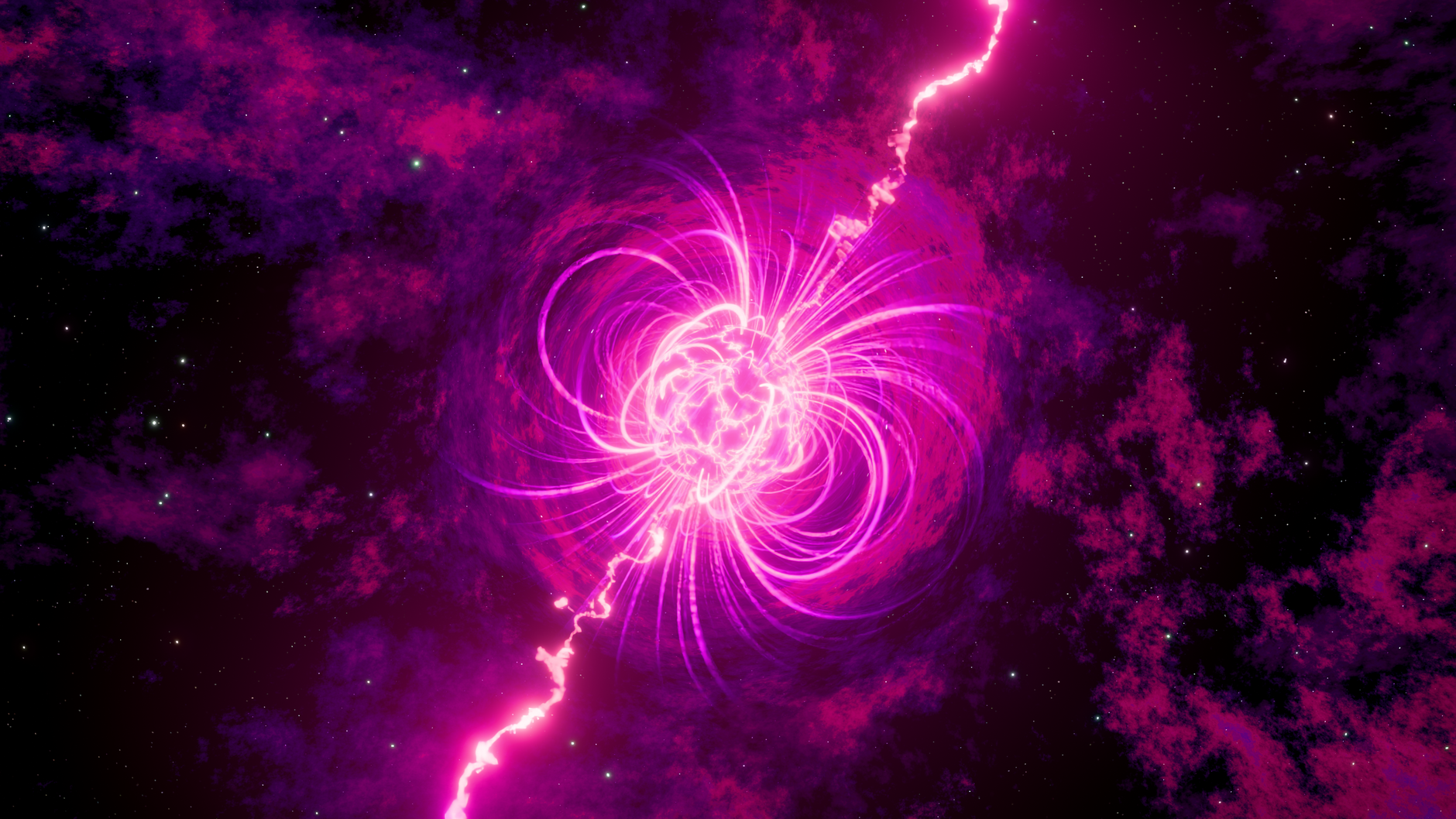
In a significant milestone for the scientific community, Professor Francis Halzen has been honoured with the Nobel Prize in Physics for his pioneering work at the IceCube Neutrino Observatory. Nestled within the icy confines of Antarctica, this observatory has become a beacon for detecting high-energy neutrinos, some of the universe's most elusive particles.
Halzen's journey began with a visionary idea: to utilise the Antarctic ice as a vast detector for cosmic particles. This idea materialised into the IceCube project, a cubic kilometre of ice embedded with thousands of light sensors, designed to capture the fleeting interactions of neutrinos as they pass through the Earth.
The breakthrough came in 2013 when IceCube made the unprecedented detection of high-energy neutrinos originating from outside our solar system. This discovery has been instrumental in advancing our understanding of astrophysical phenomena, providing a new lens through which to explore the universe's most energetic events, such as supernovae and black holes.
A Visionary Approach
Professor Halzen's innovative approach has not only expanded the boundaries of particle physics but has also underscored the potential of unconventional scientific methodologies. His work exemplifies how the frozen depths of the Earth can serve as a window into the cosmos, revealing secrets that have long eluded scientists.
The Nobel Committee recognised Halzen's contribution as a 'remarkable achievement in the field of astroparticle physics', highlighting the importance of his work in bridging the gap between particle physics and astronomy.
Implications for Future Research
Looking ahead, the implications of this discovery are profound. The IceCube project continues to inspire a new generation of scientists, encouraging further exploration of neutrinos and their role in the universe. As research progresses, it is hoped that these ghostly particles will unravel more mysteries, shedding light on the origins and composition of the cosmos.
Professor Halzen's Nobel win is not just a personal triumph but a testament to the power of curiosity and the relentless pursuit of knowledge. His work stands as a reminder of the wonders that lie at the intersection of creativity and science, where even the most challenging questions find answers in the unlikeliest of places.


