From JNU to the World: AISA's Influential Alumni
In the hallowed halls of Jawaharlal Nehru University (JNU), the All India Students’ Association (AISA) has long been a formidable presence, shaping the political discourse that echoes far beyond campus walls. But where do the architects of this influence find themselves today? A journey through the careers of AISA’s former presidents offers a fascinating glimpse into the varied paths charted by these student leaders.
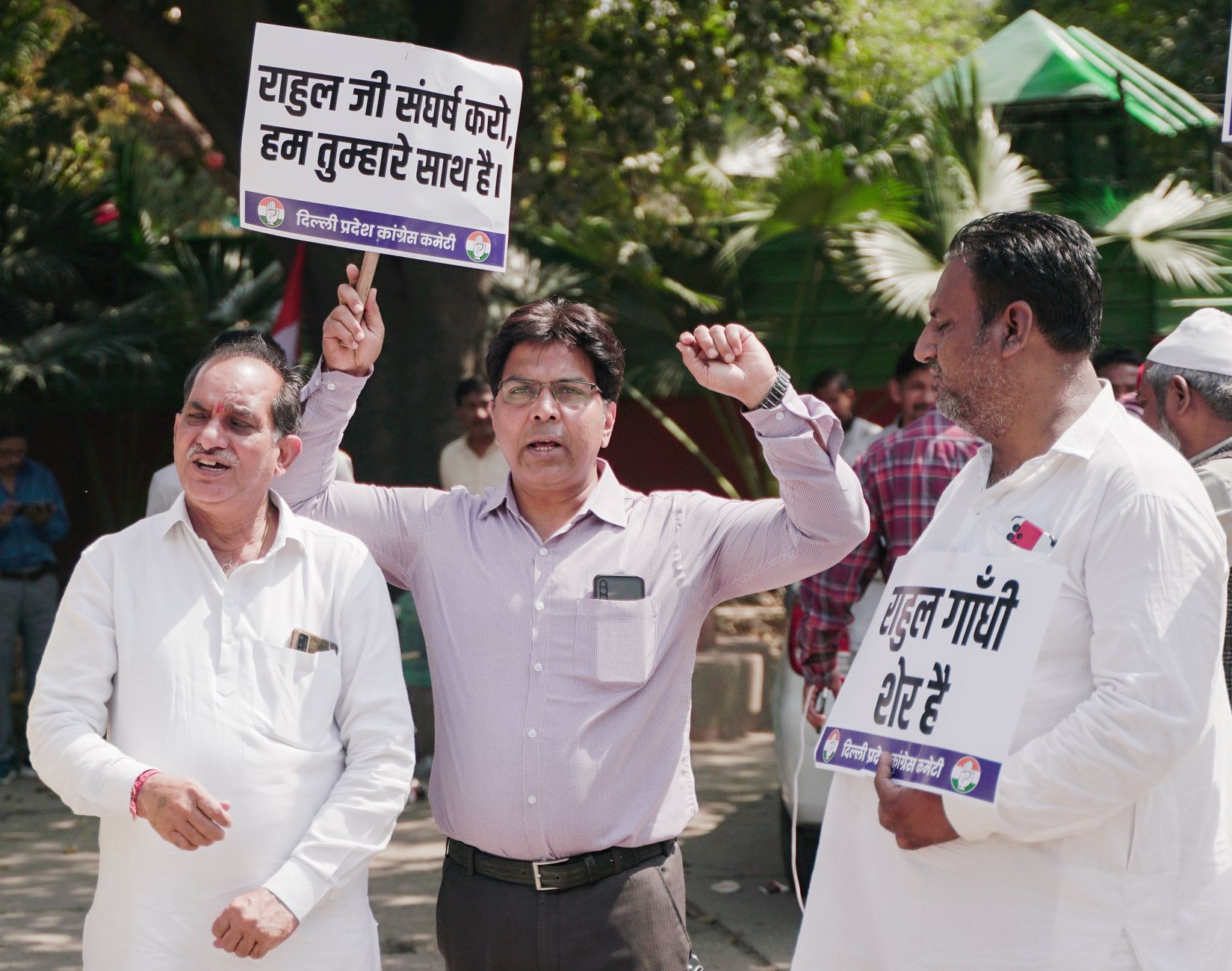
Sitaram Yechury, who helmed the JNUSU during the tumultuous period of 1977-78, has carved a niche as a venerable figure in the Communist Party of India (Marxist). His transition from student politics to national prominence underscores the potency of JNU as a political springboard. Similarly, Kanhaiya Kumar, another illustrious alumnus, has channelled his activism into a broader political sphere, now serving as a prominent member of the Indian National Congress.
Academic Ambitions and Beyond
Not all have followed the political trail, however. V. Lenin Kumar and Dhananjay Tripathi, both former JNUSU presidents, opted for academia, contributing to intellectual discourse through teaching and research. Their choice reflects the university’s dual role as a crucible for both activism and scholarship.
The trend of former AISA leaders transitioning into varied fields is not new. The narrative began with D P Tripathi, who ventured into mainstream politics, eventually joining the Nationalist Congress Party. This blend of political and academic pursuits among JNU alumni illustrates the university's unique ability to nurture well-rounded individuals prepared to impact society in myriad ways.
A Continuing Legacy
The legacy of AISA's leadership is evident in the current crop of student leaders. As Aditi Mishra takes the reins of JNUSU, her victory symbolises the enduring strength of leftist ideologies at JNU. It also raises questions about the future trajectory of these student leaders. Will they too follow in the footsteps of their predecessors, stepping onto the national stage, or will they chart new territories?
This enduring influence of JNU’s student politics offers a microcosm of India's broader political landscape, where student activism often serves as a precursor to national leadership. As these former presidents continue to shape the discourse, their journeys remind us that student politics remains a vital laboratory for the leaders of tomorrow.