From JNU to the World: The Paths of Former JNUSU Presidents
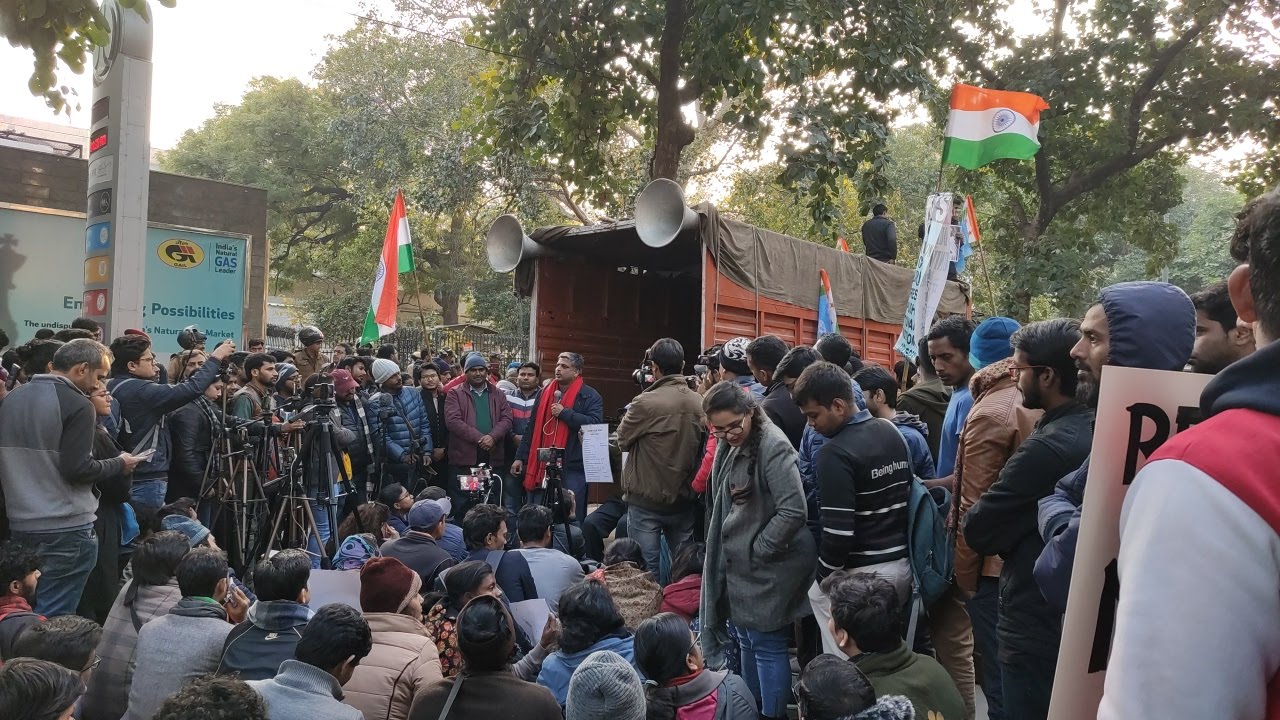
Within the vibrant microcosm of Jawaharlal Nehru University (JNU), the Jawaharlal Nehru University Students' Union (JNUSU) presidents have long found themselves at the forefront of India's political and social discourse. Historically dominated by left-leaning ideologies, these student leaders have often transcended the boundaries of campus politics to wield influence on a national scale.
Among the illustrious alumni of JNUSU presidents is Sitaram Yechury, now a senior politician with the Communist Party of India (Marxist). His journey from the bustling corridors of JNU to the nation’s political arena is emblematic of a tradition that transforms student leaders into significant public figures. The likes of Kanhaiya Kumar and Aishe Ghosh have followed similar paths, though not without their unique twists.
The Academic and Political Nexus
While many former presidents have ventured directly into politics, others have chosen the academic route, influencing thought and policy from educational institutions. This duality is perhaps best illustrated by Yogendra Yadav, who, after his tenure at JNU, established himself as a respected academic and later as a political activist.
Interestingly, a notable number of these leaders have gravitated towards the Indian National Congress, a party traditionally distinct from their ideological roots. This shift, observed in figures like D P Tripathi, reflects broader trends within Indian politics where ideological lines are increasingly blurred.
Continued Activism and Change
Beyond academia and politics, activism remains a steadfast pursuit for many. Aishe Ghosh, for instance, continues to champion student rights, echoing the spirit of resistance that JNU is renowned for. Such figures highlight how former JNUSU presidents remain committed to societal change, whether from within the halls of Parliament or through grassroots movements.
As JNU prepares for another round of student elections, the legacy of its former presidents serves as a poignant reminder of the enduring impact of campus politics. It raises questions about the evolving definitions of political success and the diverse arenas where influence can be exerted.