From Pugmarks to Pixels: The Digital Revolution in Tiger Conservation
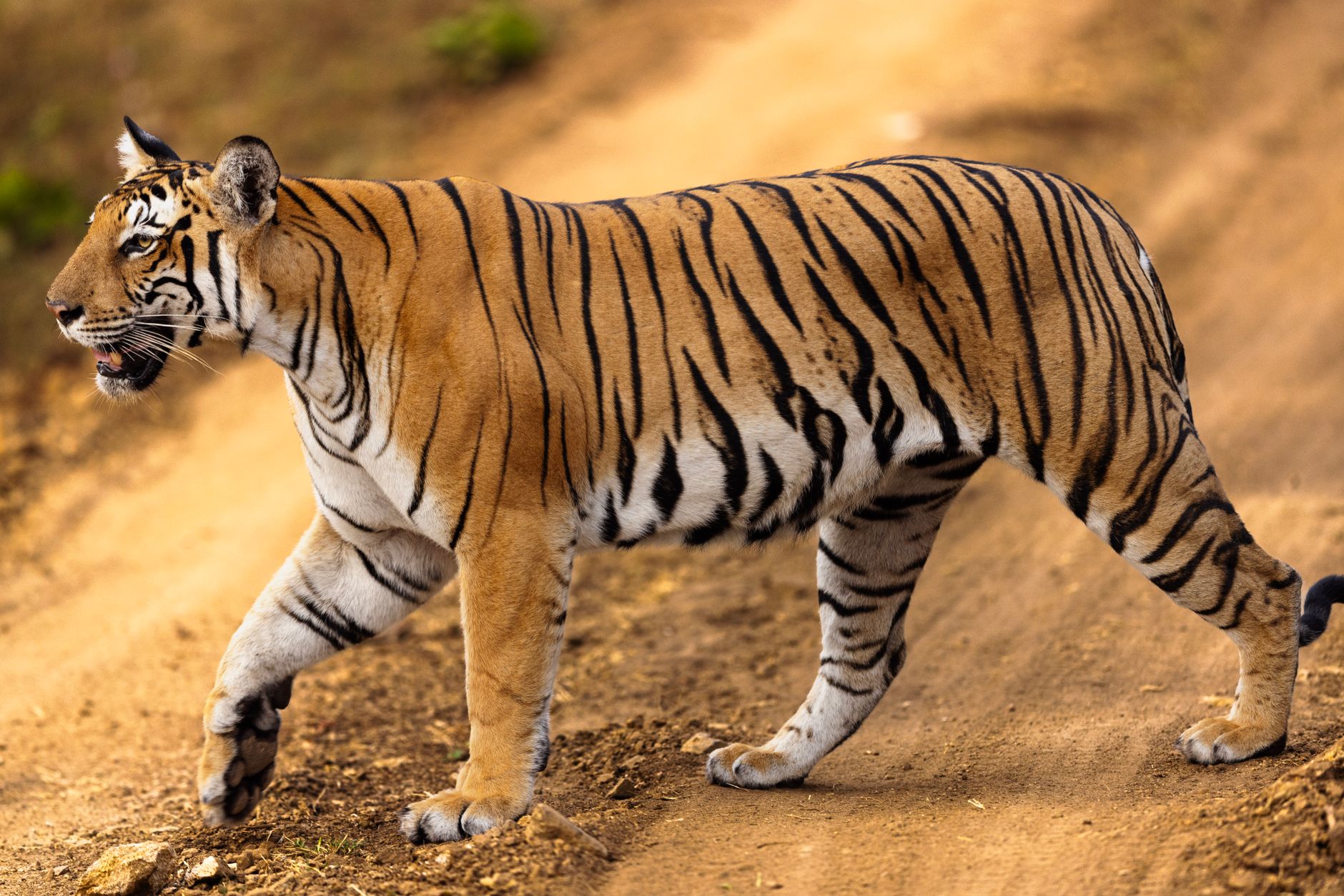
For centuries, the pugmark, or footprint, has been the quintessential tool for tracking India's iconic tigers. These natural impressions have long guided forest rangers in their quest to protect one of the world's most endangered species. However, in the age of technology, a new ally has joined the conservation effort: artificial intelligence.
Once a landscape of whispers and wild guesses, India's tiger habitats are now monitored with pinpoint precision. Camera traps and software like M-STrIPES have revolutionised how data about tiger populations is gathered and analysed. M-STrIPES, an acronym for Monitoring System for Tigers – Intensive Protection and Ecological Status, uses GPS and GIS technology to provide real-time data and statistical analysis on tiger populations.
Yet, the integration of technology doesn't mean traditional methods have been discarded. On the contrary, technology complements the trained eyes of forest guides, who continue to read pugmarks for insights into the age, gender, and movements of tigers.
The Role of AI
Artificial intelligence now plays a pivotal role in identifying and tracking individual tigers. An emerging android application uses algorithms to analyse pugmarks, providing data that was once the preserve of experts. This digital approach allows for a more accurate census and aids in the strategic relocation of tigers to less populated areas, reducing human-animal conflicts.
However, the success of these technologies hinges on more than just hardware and software. The cooperation of local communities remains vital. As tigers are relocated or monitored, the livelihoods of those living in proximity must be considered. Conservation isn't merely about saving animals; it's about fostering a harmonious coexistence.
The Path Forward
The journey from pugmarks to pixels isn't just a story of technological advancement. It's a testament to the resilience and adaptability of conservation efforts in India. As the country continues to embrace these innovations, the hope is that tigers will not only survive but thrive, alongside the communities that share their territories.
In this digital age, technology stands as a powerful tool in the arsenal of conservationists. Yet, as with all tools, it is only as effective as those who wield it. The future of India's tigers, therefore, lies in a balanced blend of tradition and innovation.