Funding Shortfalls Jeopardise Education for Refugee Children
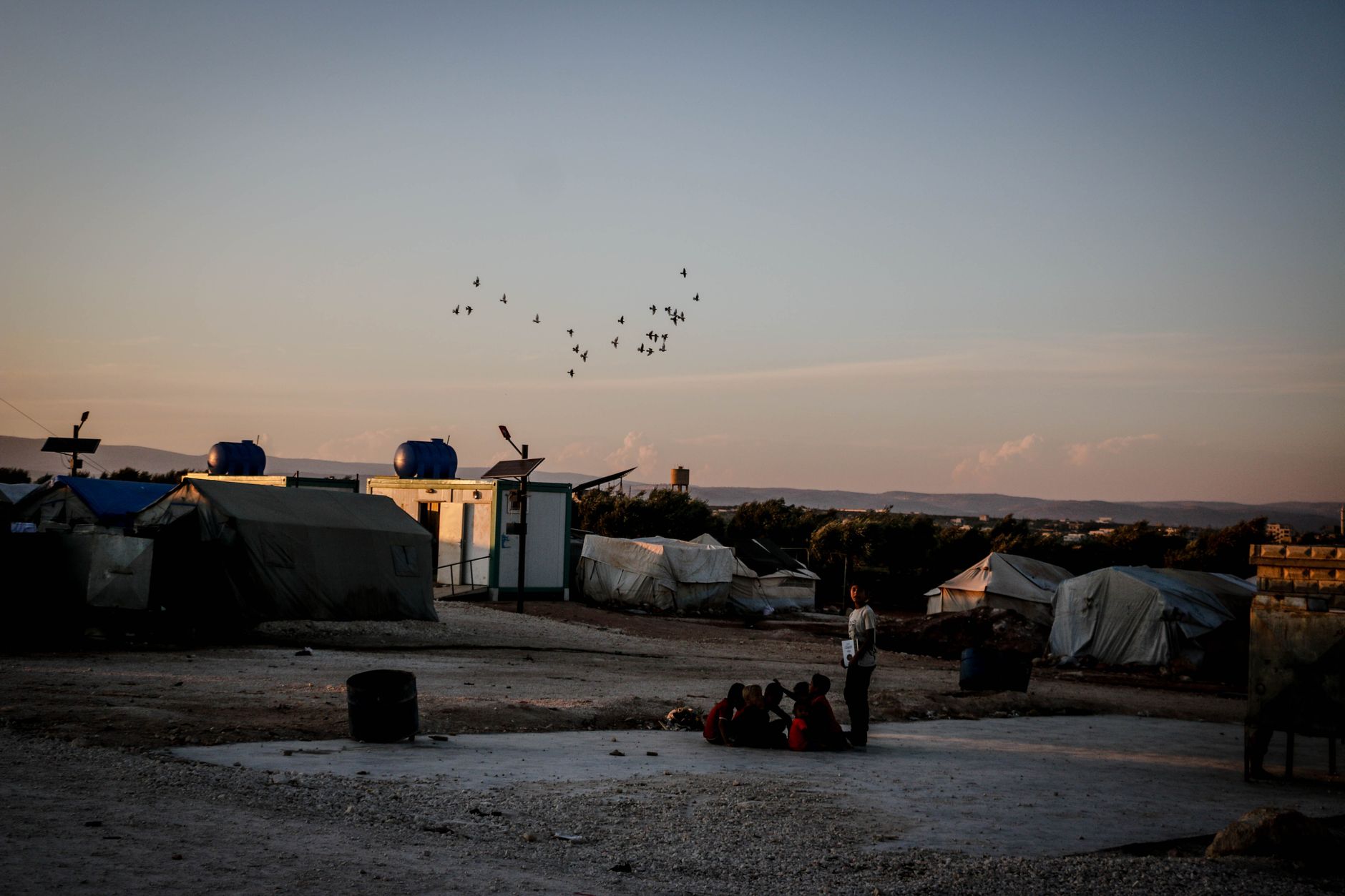
In the dusty expanses of the Gambela region, the silence is almost deafening. Where once the chatter of children learning filled the air, now there is an eerie quiet. Funding cuts have forced the closure of refugee sites, leaving vital education services in disarray. Allen Maina, Public Health Chief of UNHCR, expressed the human toll these cuts are exacting. 'We're talking about people here,' he said, emphasising the gravity of the situation.
The funding drought is not confined to Africa. In Bangladesh, approximately one million Rohingya refugees are grappling with a severe health crisis as resources dwindle. The cessation of US-funded programmes has led to the shutdown of not only health clinics but also learning centres. In one of the most densely populated areas in the world, the consequences are dire, with overflowing sewers posing a significant health risk.
Education as a Lifeline
Education is often the first casualty in such crises. Refugee girls, in particular, face formidable barriers to accessing quality education. The cost of school fees, uniforms, and books can be prohibitive for families without a stable income. This economic barrier is exacerbated by the lack of funding, making it near impossible for many to continue their education.
Despite these challenges, initiatives have emerged, aiming to bridge the gap. One foundation, for instance, provides 'gently used computers' preloaded with educational content to young refugees. While commendable, such efforts remain a drop in the ocean given the scale of need.
The Price of Neglect
The implications of neglecting refugee education are profound. Without access to learning, children are left vulnerable to exploitation and radicalisation. Education offers not just knowledge, but a semblance of normalcy and hope for a future beyond the confines of refugee camps.
As the world watches, the plea from refugee communities is clear: do not abandon their dreams. The cost of inaction is too high, both for those directly affected and for the global community that bears witness. Now more than ever, it is crucial to prioritise education as a fundamental right, not a privilege.