
Fungi's Surprising Role in Radiation Protection Unveiled
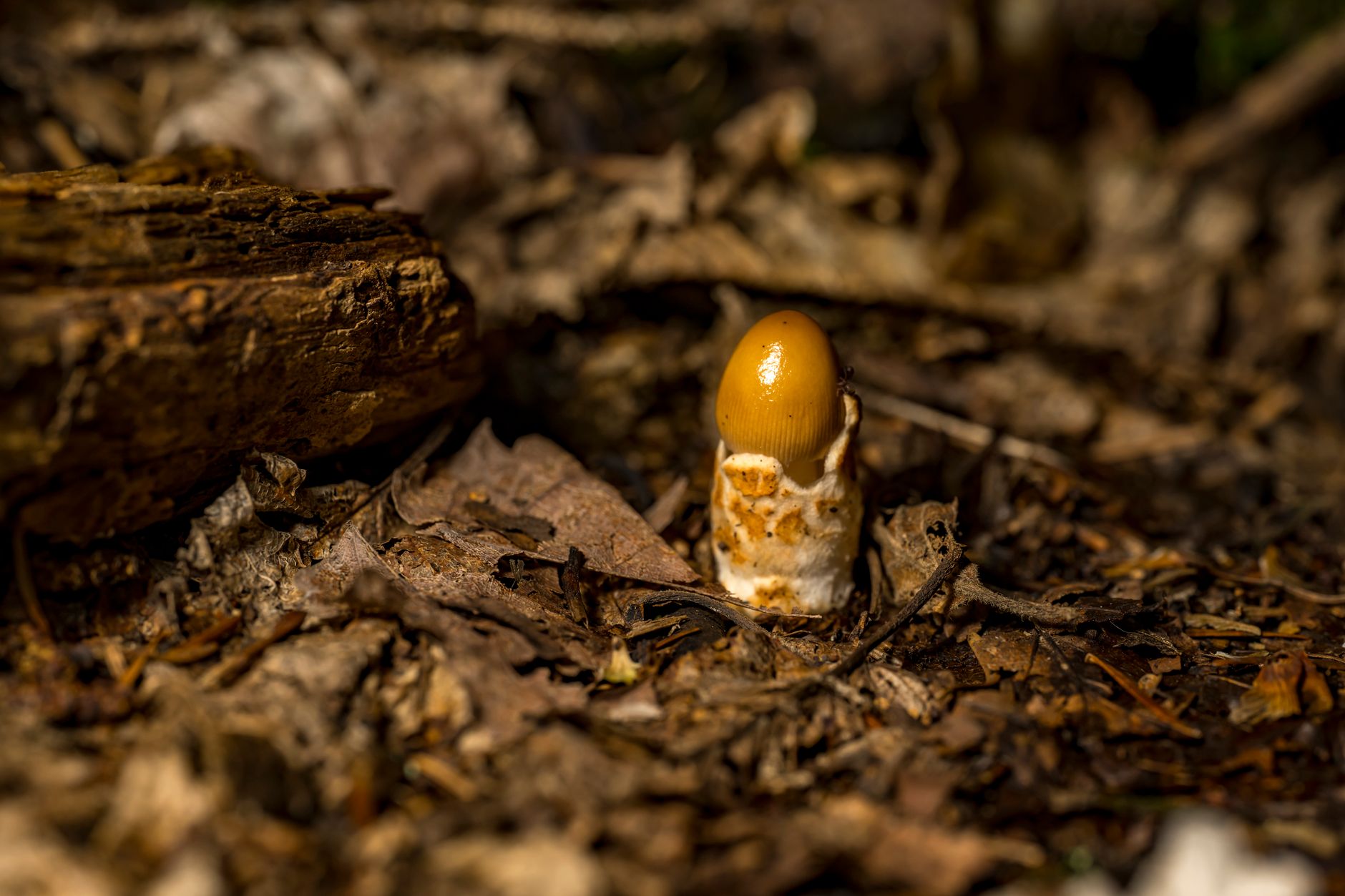
In an unexpected turn of events, scientists in China have unearthed a fungus, M. racemosus, that acts as a natural shield against radiation. This unassuming organism could hold the key to safeguarding humans in environments as hostile as outer space.
The discovery stems from research into fungi thriving in radiation-heavy zones, notably at the infamous Chernobyl disaster site. It turns out that certain fungi don't just survive in such conditions; they thrive, harnessing radiation as a resource.
The Role of Melanin
Central to this phenomenon is melanin, the pigment more commonly associated with skin colour in humans. In M. racemosus, melanin appears to absorb radiation and undergo structural changes, generating biochemical energy. This remarkable trait could be revolutionary for space exploration, providing a biological countermeasure against the relentless barrage of cosmic rays faced by astronauts.
Potential Applications
The implications extend beyond the final frontier. On Earth, this could pave the way for novel treatments for radiation exposure, potentially benefiting those in nuclear industries or affected by nuclear accidents. Moreover, the gut microbiome's role in human health is increasingly recognised, and the introduction of such a fungus might fortify our natural defences.
While the scientific community remains cautiously optimistic, M. racemosus represents a beacon of hope in the quest to mitigate radiation's harmful effects. The next steps involve rigorous testing and validation, but the potential is undoubtedly vast.
In a world where radiation's pernicious effects are a constant threat, this humble fungus might just be the unlikely hero we've been waiting for.


