Gadkari's Ministry Champions Eco-Friendly Highways with Plastic Waste
In a move that is equal parts innovative and environmentally conscious, India's Ministry of Road Transport, led by Nitin Gadkari, is setting a fresh precedent by incorporating waste plastic into the bitumen mix for national highways. This decision, bolstered by technology developed at the Indian Institutes of Technology (IIT), marks a significant stride towards sustainable infrastructure development.
The initiative isn't merely an exercise in environmental goodwill. It addresses two pressing issues: the burgeoning problem of plastic waste and the need for more durable road surfaces. By using plastic waste, the Ministry aims to cut down on the environmental hazards posed by discarded plastic, while simultaneously enhancing the longevity of roads.
Tackling Waste Head-On
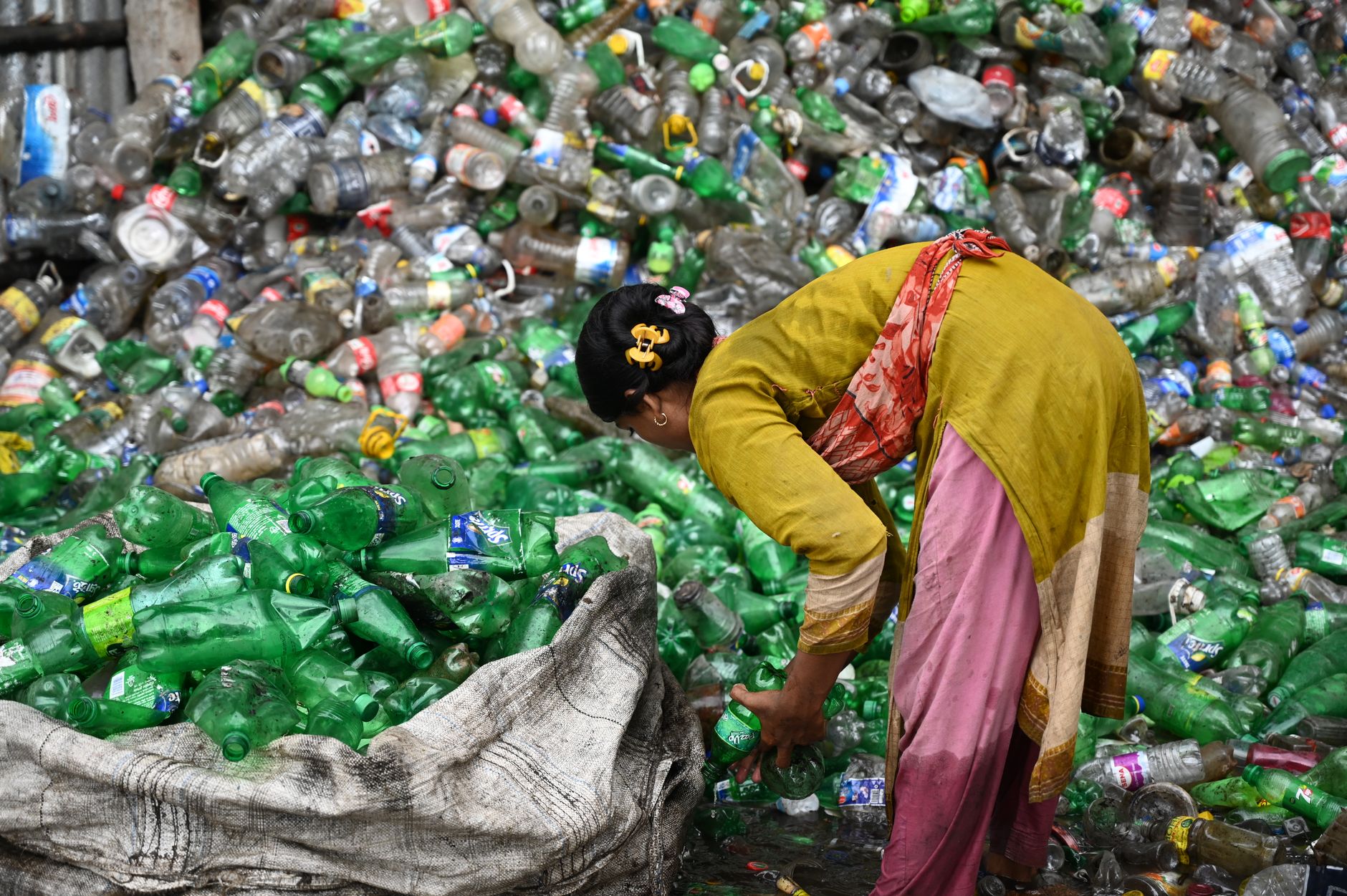
India generates a staggering amount of plastic waste annually, much of which ends up clogging waterways and littering landscapes. Gadkari's mandate that highway construction must incorporate plastic waste is a bold attempt to mitigate this problem. The Ministry has already used vast quantities of waste plastic in constructing several stretches of highway, with plans to expand this practice nationwide.
According to Ministry officials, the integration of plastic waste not only improves the durability of roads but also offers a cost-effective solution to traditional bitumen. The IIT-developed technology ensures that the plastic-infused bitumen mix is both robust and eco-friendly.
A Step Towards a Circular Economy
This initiative forms part of a broader governmental push towards a circular economy, where waste is not merely disposed of but reused in innovative ways. By transforming plastic waste into a resource for road construction, the Ministry is championing a model of sustainable development that could serve as a blueprint for other sectors.
While the long-term impact of this initiative remains under scrutiny, the immediate benefits are clear. Reduced pollution levels, extended road life, and a potential decrease in construction costs present a win-win scenario for both the government and the environment.
As the world grapples with the dual challenges of waste management and sustainable development, India's move to integrate plastic waste into its infrastructure projects could well be a beacon for other nations.