Gadkari's Traffic Woes Highlight Need for New Infrastructure in Mumbai
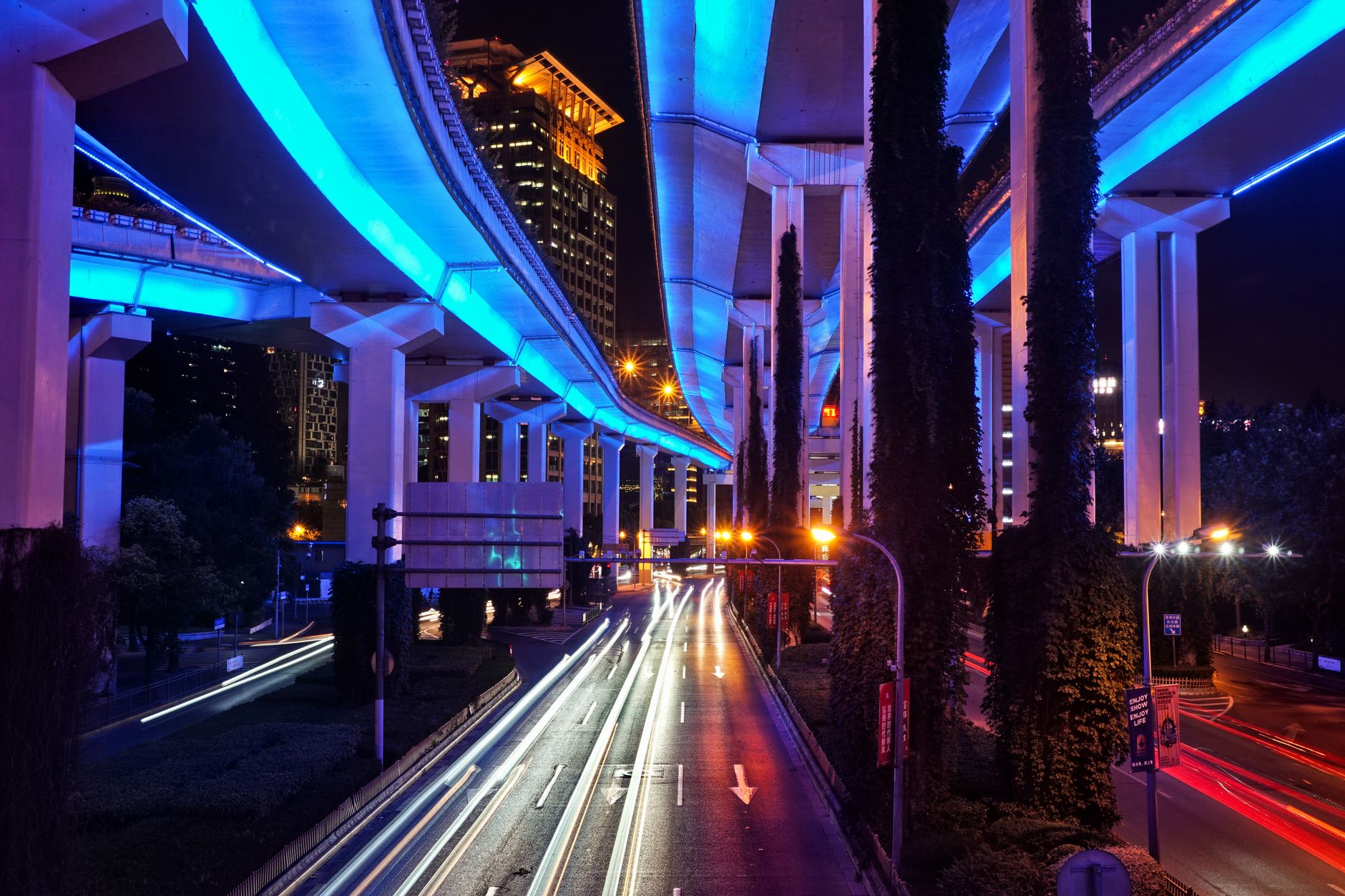
On a bustling Saturday in Mumbai, a familiar scene unfolded as Union Minister Nitin Gadkari found himself ensnared in the city's infamous traffic. What should have been a straightforward journey from Worli to the Indo-American Corporate Excellence Awards turned into an hour-long ordeal. The delay was not just an inconvenience; it became a poignant illustration of a city grappling with infrastructure that can no longer keep pace with its burgeoning population.
Upon eventually arriving at the event, Gadkari addressed the restless gathering, his own tardiness serving as an unintentional yet effective preamble to his speech. 'I apologise for my delay,' he began, 'but it is indicative of the greater issues we face in Mumbai today.'
The Case for Change
Gadkari's delay was not merely a personal anecdote; it was a springboard for a broader discussion on the need for infrastructural modernisation. He proposed replacing the ageing flyovers that crisscross the city with new, technologically advanced structures. 'Our current infrastructure is simply not equipped to handle today's traffic volumes,' he stated, advocating for adoption of construction technologies that promise greater efficiency and durability.
This call for innovation is not without precedent. Cities around the world have embraced similar strategies to address their own congestion woes, and Mumbai, with its unique challenges, would do well to follow suit. The minister's remarks come amidst ongoing debates about urban planning and sustainability in India, as cities strive to balance growth with livability.
Implications for Mumbai
Mumbai, a city that never sleeps, is notorious for its traffic snarls. The ever-expanding number of vehicles, coupled with infrastructural limitations, only exacerbates the problem. Gadkari's pitch for new technology is a clarion call for change, urging policymakers to prioritise long-term solutions over quick fixes.
The minister's own experience underscores the reality faced by millions of commuters each day. As Gadkari concluded, 'It is not just about building new flyovers, but about building a future where Mumbai can thrive without being choked by its own success.'
His words, perhaps, will inspire a new chapter in Mumbai's infrastructural journey, one where technology and foresight pave the way to a smoother, more connected city.