Gen Z Slang Echoes in India's Parliament Amid Protests
In an unexpected twist of linguistic evolution, the hallowed halls of India's Lok Sabha reverberated with the sounds of Gen Z slang. Phrases like 'delulu' and 'clock it', once the preserve of Instagram comment sections and meme pages, took centre stage during a recent parliamentary protest.
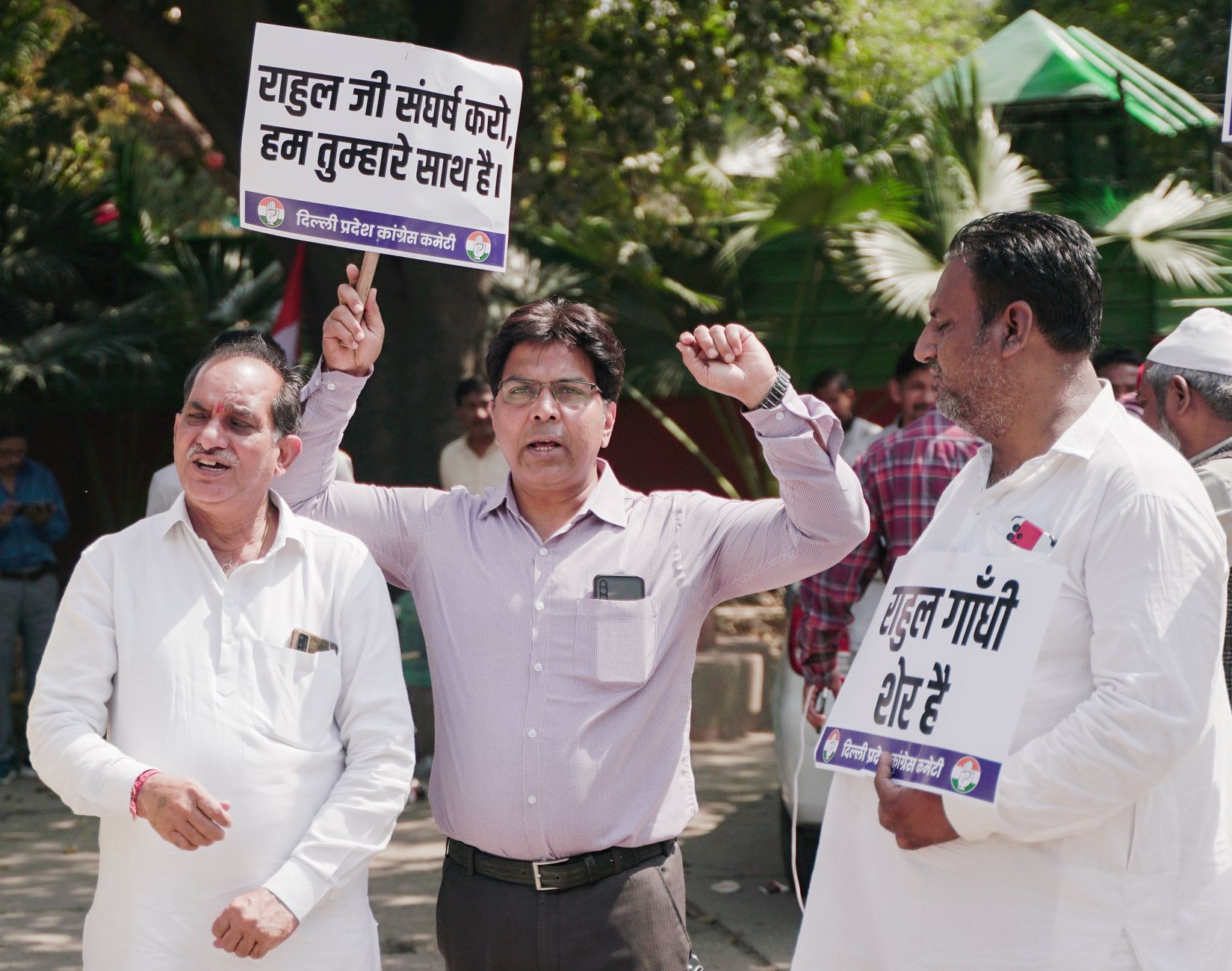
The Cockroach Janta Party, a group comprised largely of young activists, orchestrated a demonstration that brought these digital dialects to the forefront of political discourse. The protest aimed to criticise the handling of issues such as the NEET paper leak by the sitting government. However, what truly captured the nation's attention was the adoption of a language style more accustomed to the virtual realm than the venerable corridors of power.
A New Kind of Political Rhetoric
Members of the ruling National Democratic Alliance (NDA) were quick to seize upon this linguistic novelty. During heated debates, NDA MPs employed these Gen Z idioms to mock the opposition, suggesting that their concerns were 'delulu'—a playful portmanteau of 'delusional'. The use of the term 'clock it' was similarly deployed to highlight what they perceived as the opposition's failure to grasp political realities.
This infusion of youth-centric language into parliamentary proceedings was more than merely a verbal jab. It symbolised a broader cultural exchange, as the language of memes and social media infiltrated the serious business of governance. While some traditionalists might recoil at this informality, others argue it reflects a more engaged and youthful electorate.
Implications for Political Engagement
Observers suggest that this linguistic shift could signify a changing demographic tide within India's political landscape. As younger generations, fluent in the vernacular of the internet, become more politically active, the language of politics may continue to evolve. This trend might compel politicians to adapt to this new form of communication to connect with a younger, digitally-savvy audience.
However, the implications are not all positive. Critics warn that relying too heavily on slang could trivialise serious issues, reducing debates to mere sound bites devoid of substantive policy discussion. Yet, for now, the spectacle of Gen Z terminology echoing through the Lok Sabha offers a fascinating glimpse into the future of political discourse in India.