Gender Bias in Treatment: Women Denied Equal Medical Care
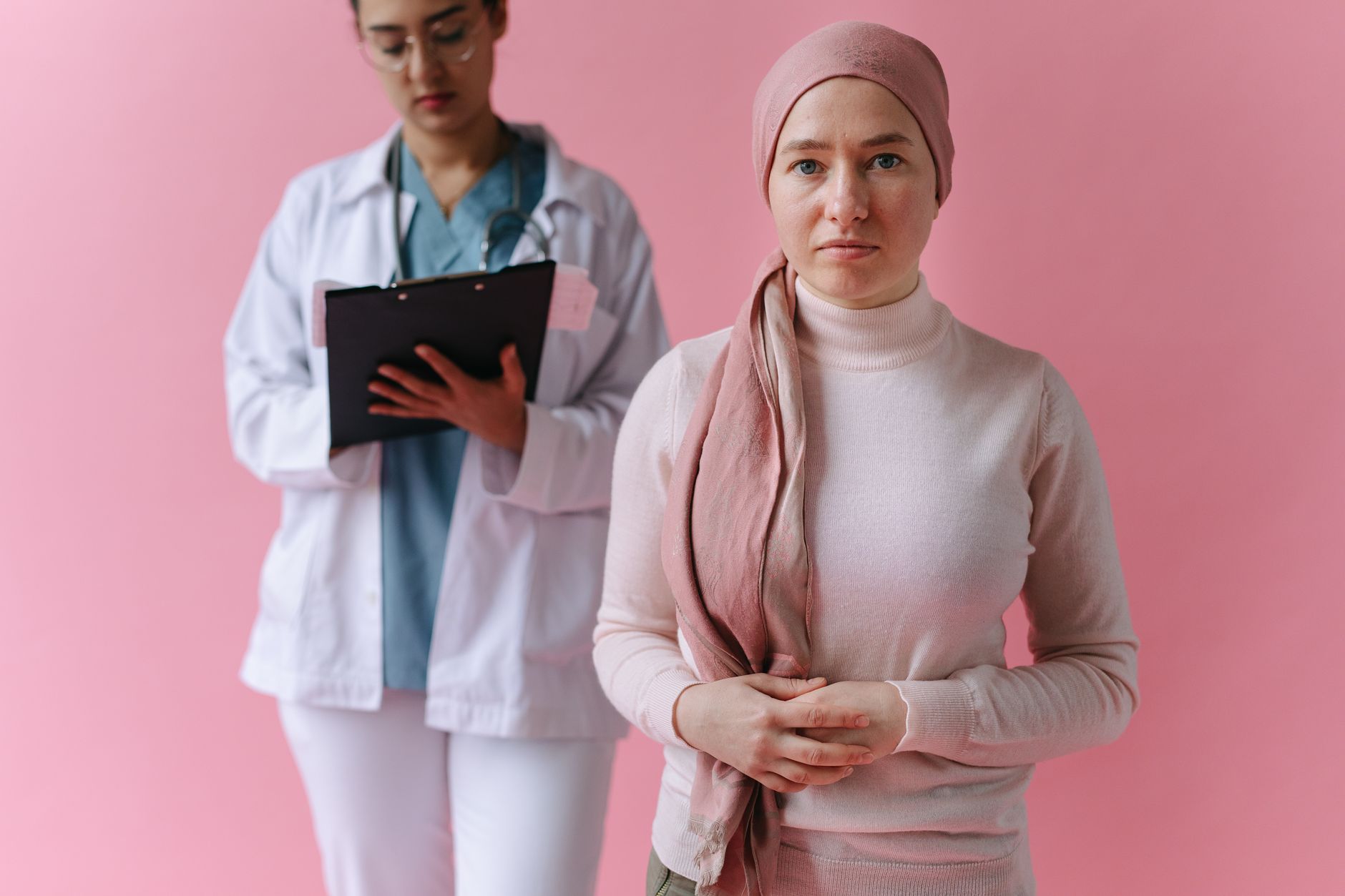
The medical profession prides itself on impartiality, yet a recent study from the University of St Andrews suggests otherwise. Women are demonstrably less likely than men to receive active treatment for identical health conditions, a revelation that challenges the very foundation of equitable healthcare.
This study, which meticulously analysed 38 different studies, found that in 33 cases women were offered less intensive treatments than their male counterparts. The conditions examined ranged from cardiovascular diseases to chronic pain, where women were less frequently prescribed surgeries, stents, or potent painkillers.
Unseen Disparities
The findings highlight a troubling trend of systemic bias that has gone largely unnoticed. According to Dr. Jane Smith, one of the lead researchers, "These disparities are not just statistical anomalies; they represent a significant gap in healthcare provision that must be addressed." Such biases not only affect the immediate health outcomes for women but also have broader implications for their long-term wellbeing.
Critics argue that this inequality is rooted in outdated perceptions of gender roles in medicine, where women's symptoms are often dismissed as less severe than men's. This attitude not only undermines trust in medical professionals but also puts women at increased risk of untreated or under-treated conditions.
A Call for Change
The revelations from the University of St Andrews have prompted calls for a comprehensive review of medical practices. Advocates are urging healthcare systems to adopt a more gender-inclusive approach, ensuring that treatment decisions are based on clinical evidence rather than stereotypes.
Moreover, this study serves as a clarion call for increased awareness and education within the medical community. By recognising and addressing these biases, healthcare providers can work towards a more equitable system that truly serves all patients, irrespective of gender.