Genetic Genealogy Offers New Hope for 9/11 Families
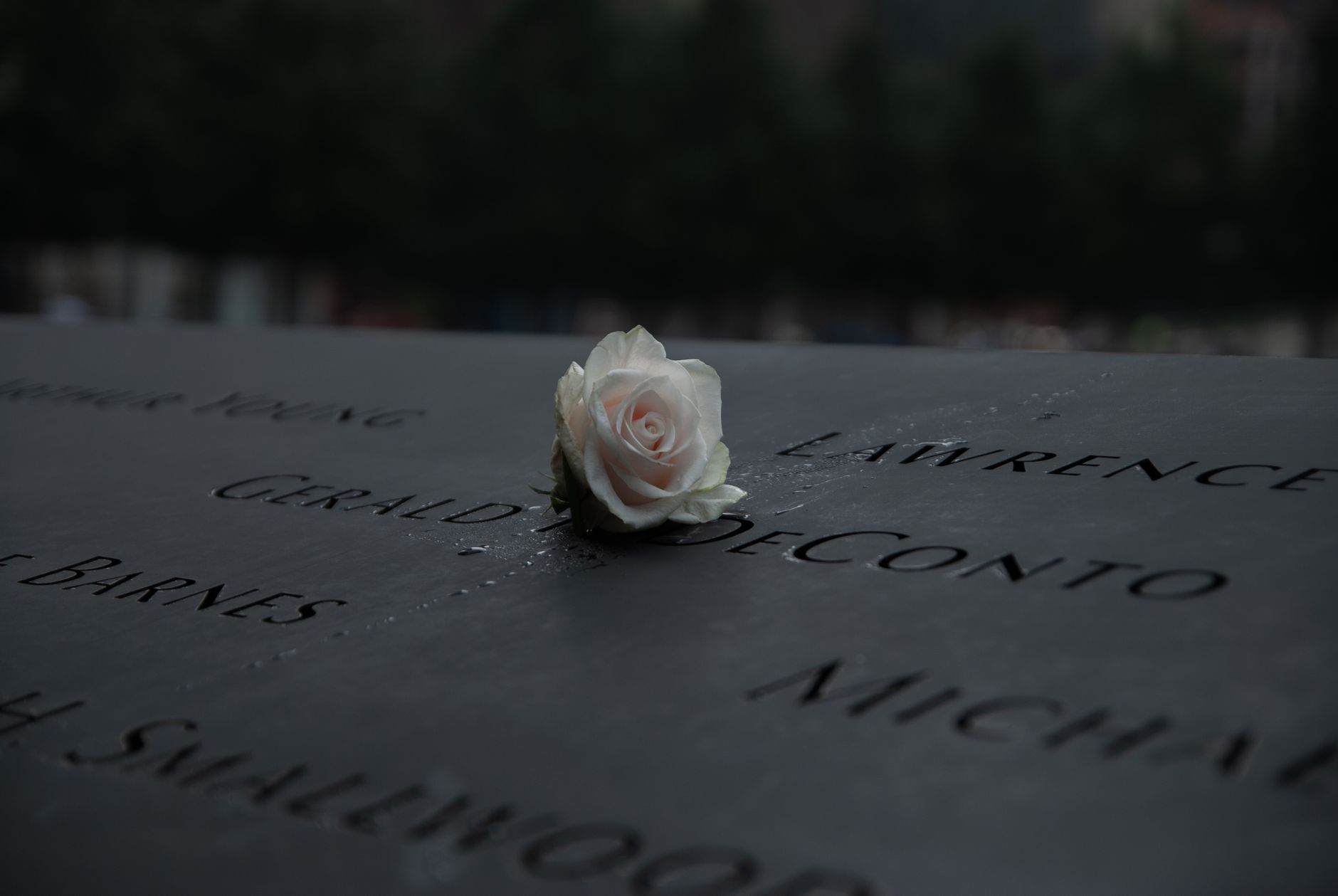
In a poignant intersection of science and grief, the relentless march of technology is once again offering solace to those left in the wake of 9/11's devastation. For the first time, genetic genealogy has successfully identified a victim from the World Trade Center tragedy, marking a milestone in the ongoing effort to return names to the anonymous remains that represent the lives lost on that fateful day.
Combining DNA analysis with meticulous family-tree research, this technology has opened new doors for investigators, enabling them to connect victims with distant relatives. This approach has the potential to bring closure to families who have waited over two decades for answers. As Dr Desire, assistant director at the City of New York Office of Chief Medical Examiner, poignantly observes, the mission to identify victims' remains has become a defining element of his career.
The Science Behind the Hope
The process of genetic genealogy involves comparing DNA samples from unidentified remains with those in public databases. By identifying genetic matches, often with distant relatives, investigators can then seek out closer family members to confirm identities. This approach, though laborious, offers a glimmer of hope for the 1,106 victims who remain unidentified at the World Trade Center site.
Such technological advancements are particularly significant considering the scale of the tragedy. To date, the remains of approximately 40% of the 2,753 victims have yet to be identified. The emotional weight carried by families has been profound, with many demanding accountability and answers, even as they hold on to the memories of their loved ones.
A Broader Implication
While the direct impact of this technology on individual families is clear, its broader implications cannot be overstated. The ability to finally lay their loved ones to rest offers not just closure, but a measure of justice and peace. Moreover, it underscores the role of scientific advancement in addressing historical tragedies, providing a framework that could be applied to other unresolved cases around the globe.
As the world continues to grapple with the legacy of 9/11, the quest for answers forges ahead with renewed vigour. For the families, each identified victim is a testament to perseverance and hope, a small comfort amidst enduring sorrow.