Geospatial Science: Transforming Health Service Access
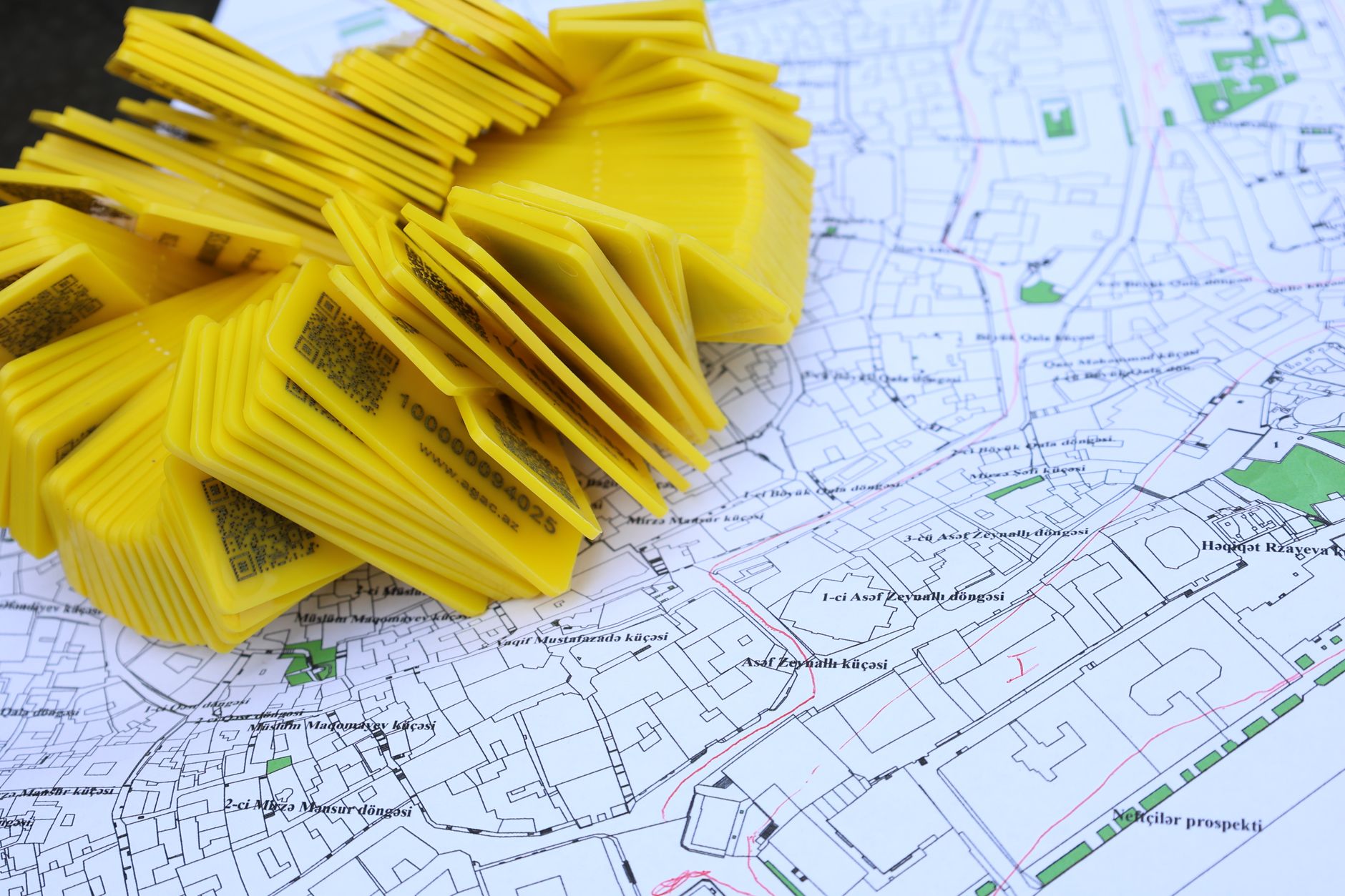
In the labyrinthine alleyways of many urban centres, where public health facilities often find themselves strained under the weight of burgeoning populations, a new tool is quietly reshaping the landscape of service delivery: geospatial science. Once the domain of cartographers and geologists, this discipline is now making significant inroads into healthcare, providing critical data to help municipalities close gaps in service provision.
Geospatial analysis, which involves the collection and interpretation of data related to the Earth's surface, offers detailed insights that traditional methods cannot match. By mapping health facilities, populations, and accessibility, city planners and health officials can identify underserved areas with pinpoint accuracy. This allows for more strategic placement of resources, ensuring that even the most remote urban communities are not left in the lurch.
Empowering Municipalities
For city corporations and municipalities, particularly those in developing regions, the challenge of providing equitable health services is daunting. Geospatial insights empower these bodies to make informed decisions, directing limited resources where they are needed most. In a city like Dinajpur, one of the oldest municipalities, the application of geospatial data has been instrumental in bridging the chasm between demand and supply.
Beyond mere logistics, this technology also aids in the fight against endemic diseases. Organisations like the END Fund are utilising geospatial data to refine their strategies against neglected tropical diseases, ensuring that interventions are both timely and effective.
The Future of Healthcare
The integration of geospatial insights into healthcare service delivery is still in its infancy, yet its potential is vast. As telemedicine continues to expand, particularly in smart cities, geospatial data could play a pivotal role in enhancing connectivity and service provision. By understanding the geographical and demographic nuances of an area, telemedicine platforms can tailor their approaches, offering a more personalised and efficient service.
In a world where health disparities continue to challenge policymakers, the marriage of technology and healthcare through geospatial science offers a beacon of hope. As this collaboration matures, it holds the promise of not only improving service delivery but also transforming the very ethos of public health.