Germany's Political Firewall: A Shield or a Hindrance?
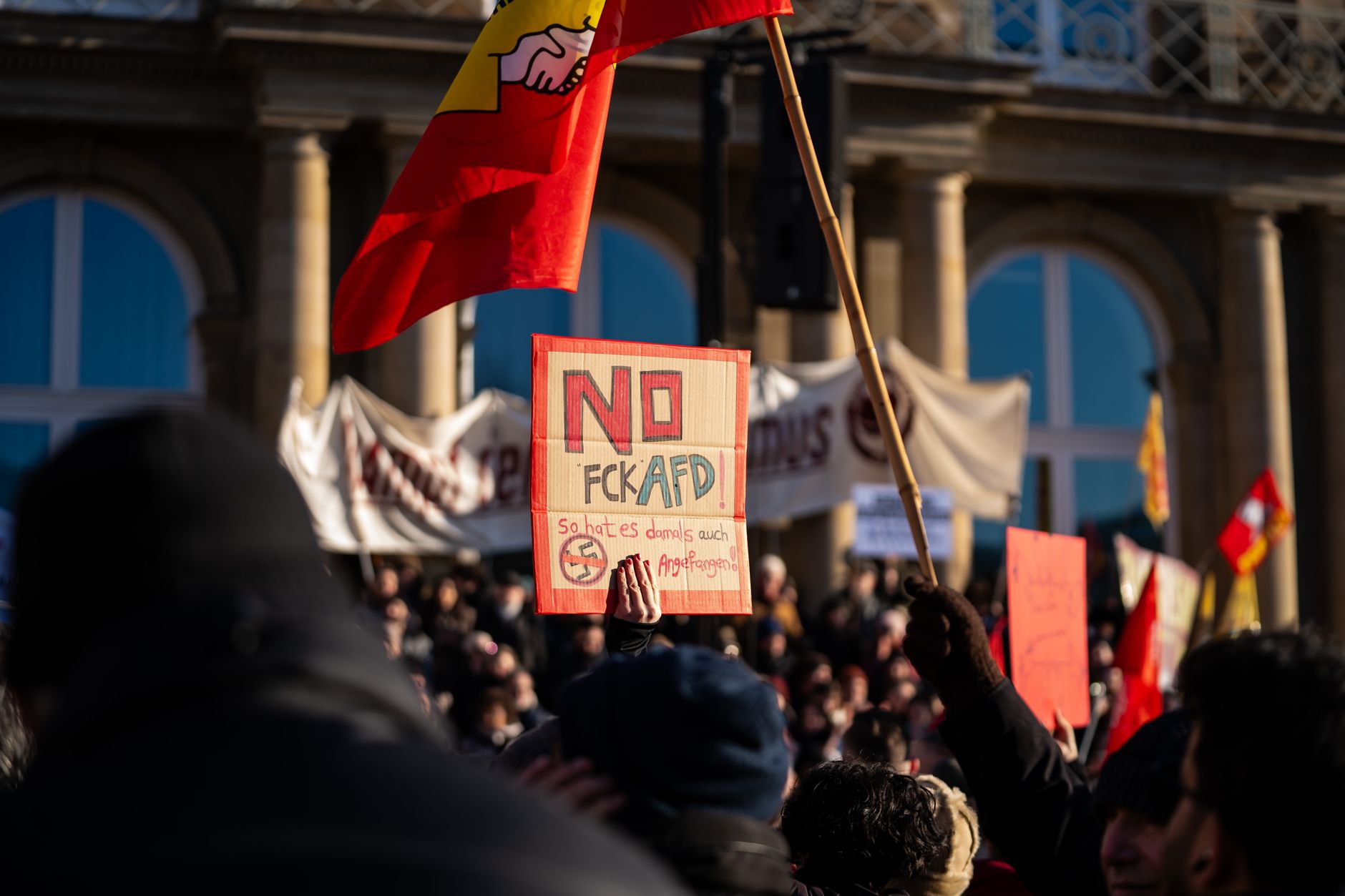
In the realm of German politics, the concept of a 'firewall' against the far-right Alternative for Germany (AfD) has long been a subject of both admiration and controversy. Crafted as a bulwark to safeguard democratic values from extremism, this firewall is now facing its sternest test yet.
The metaphorical 'Brandmauer' has traditionally been upheld by Germany's mainstream parties to prevent the normalisation of ideologies deemed antithetical to the country's post-war democratic ethos. Yet, as recent polls indicate, a significant portion of the German public seems increasingly willing to entertain the idea of political cooperation with the AfD, a party once considered beyond the pale.
The Changing Tide
August 2026 brought a seismic shift in the political landscape. Polling data revealed that a majority of Germans are now open to the notion of engaging with the AfD, either through direct cooperation or by easing the rigid stance maintained by the 'firewall'. This shift raises fundamental questions about the role and future of the firewall in contemporary German politics.
Supporters of the firewall argue that it remains a necessary tool to defend democratic institutions from being undermined by extremist forces. The AfD, they claim, poses a tangible threat to the principles enshrined in Germany's Basic Law, a sentiment echoed by the country's intelligence services, which classify the party as extremist.
Debate on Democratic Principles
However, critics contend that the firewall, while constitutionally legitimate, may inadvertently fuel political disenchantment. By excluding a party that garners significant electoral support, Germany risks alienating a sizeable section of its electorate, potentially deepening the very grievances that have propelled the AfD's rise.
The recent AfD victory in Thuringia underscores this dilemma. As the party continues to gain ground in regions like Saxony-Anhalt, the rigid political firewall appears increasingly incongruous with the electoral reality. The challenge is to balance the moral imperative to protect democracy with the pragmatic need to acknowledge and address the concerns of AfD supporters.
The future of Germany's political firewall remains uncertain. Whether it stands as a steadfast defence against extremism or becomes a relic of a bygone era will depend on the country's ability to navigate the complexities of its political landscape without forsaking its democratic ideals.