Ghaziabad Schools Shut Amid Kanwar Yatra Pilgrim Surge
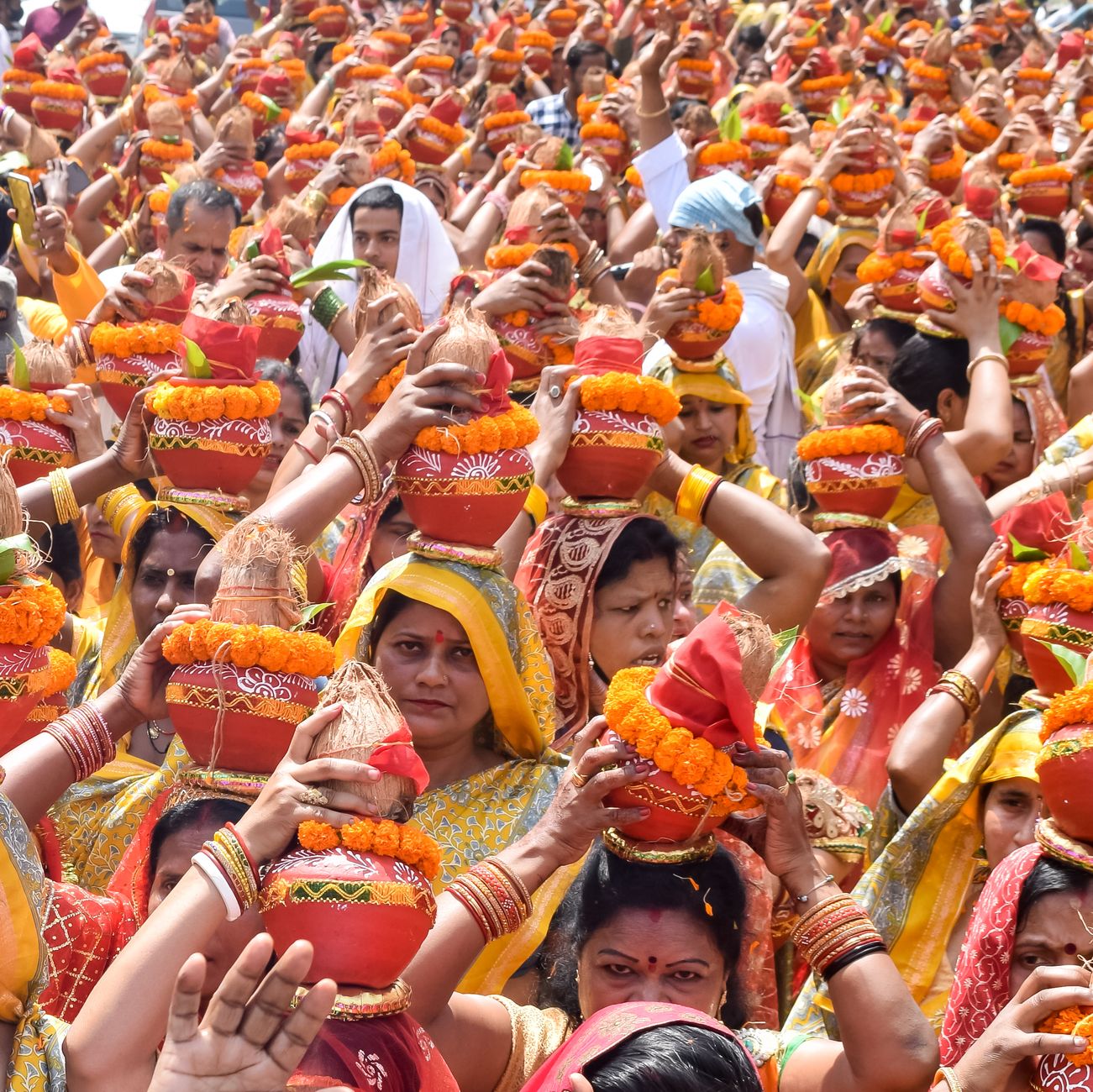
In the bustling district of Ghaziabad, the annual Kanwar Yatra has once again made its formidable presence felt. As thousands of Kanwariyas, devotees of Lord Shiva, traverse the region, local authorities have taken the unprecedented step of closing all educational institutions until 12 August. This move, while disruptive, is aimed at ensuring the safety of both pilgrims and residents.
The decision, announced by the District Magistrate, underscores the sheer scale and significance of the pilgrimage. The Kanwar Yatra sees millions of devotees trekking across North India, collecting holy water from the Ganges to offer at their local Shiva temples. It is a tradition steeped in faith and fervour, but one that also brings logistical challenges to the fore.
Traffic Diversions and Safety Concerns
With roads inundated by the saffron-clad pilgrims, traffic diversions have been strategically implemented to manage the flow and ensure the smooth passage of the Kanwariyas. The district administration has also ordered the closure of meat shops along the pilgrimage routes, a nod to the religious sentiments associated with the Yatra.
While schools and colleges remain closed, the shift to online classes has been swift. This digital pivot ensures that students' education continues unabated, albeit from the confines of their homes. The measure reflects a broader trend of adaptability in the face of traditional festivals intersecting with modern-day life.
A Cultural Phenomenon
The Kanwar Yatra is not just a religious event; it is a cultural phenomenon that transforms the regions it touches. Streets that are usually bustling with vehicles are now filled with chants and the rhythmic sound of footfalls. The sight of the Kanwariyas, with their distinctive orange attire and decorated Kanwars, is a vivid reminder of India's rich tapestry of traditions.
For the residents of Ghaziabad, the Yatra is a time of both inconvenience and awe. The temporary closure of educational institutions is a small price to pay for the peaceful coexistence of faith and daily life. As the Yatra progresses, the city stands as a testament to the enduring power of tradition in an ever-changing world.