Global Oil Refining Faces Crisis Amidst Geopolitical Turmoil
As the global oil industry navigates through stormy waters, both literally and figuratively, the loss of approximately 7 million barrels per day in refining capacity has cast a long shadow over worldwide energy markets. This figure, cited by Tom Kloza of Gulf Oil, underscores the fragility of a system already strained by geopolitical upheavals and climatic threats.
The Gulf Coast, home to half of the United States' refining capacity, stands perilously in the path of an active hurricane season. The region's vulnerability to tropical storms is a perennial concern, but this year the stakes are higher. The impact of potential refinery shutdowns could ripple across the globe, driving fuel prices upwards and straining economies still recovering from pandemic-induced slowdowns.
Meanwhile, the geopolitical landscape has hardly been conducive to stability. The Middle East, a critical player in oil production, faces its own set of challenges. The recent appointment of Mojtaba Khamenei as Iran's supreme leader coincides with a cessation of operations by multiple oil producers in the region. Restarting these facilities is no trivial matter; it could take weeks, if not longer, to restore normalcy.
Such disruptions come at a time when oil prices are already high, having recently surpassed the $100 per barrel mark. The fallout from Russia's incursion into Ukraine only adds to the volatility, with diesel supply chains particularly affected. Yet, ironically, refiners find themselves enjoying record margins despite soaring input costs, as the inflated prices of their products more than compensate.
In this complex web of factors, the United States has emerged as a beacon of growth, with its oil production climbing to 8.6 million barrels a day. This development positions America to potentially become the world's largest oil producer, a prospect that some find remarkable given the current climate.
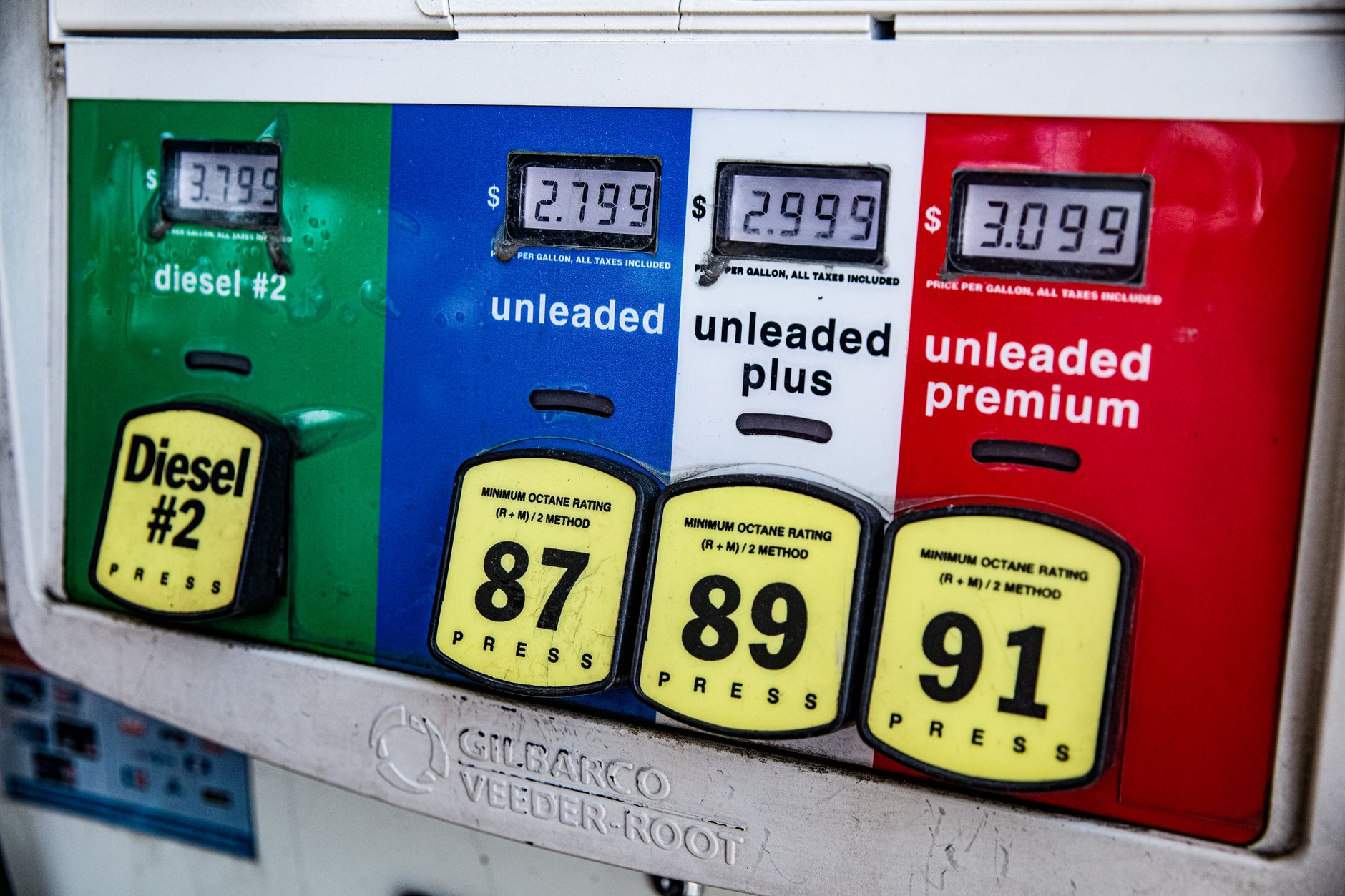
However, the focus remains on the middle of the barrel—diesel. As Kloza points out, it is diesel that has been hit hardest, a worrying trend given its crucial role in powering industries and transportation.
In an era where energy security is more crucial than ever, the world watches closely. The hope is that resilience and strategic foresight can navigate these turbulent times, but the road ahead is fraught with challenges.