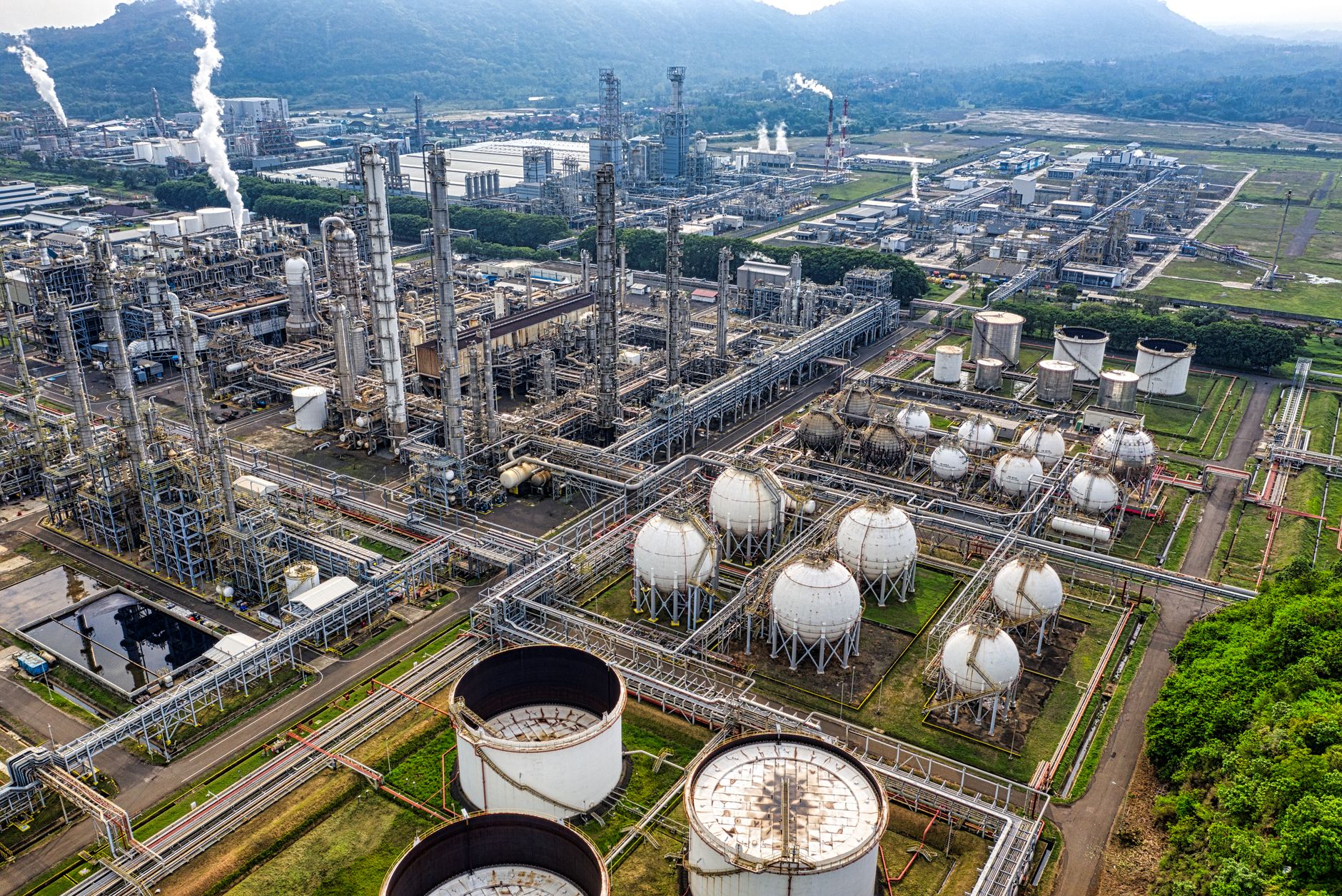
Global Oil Stockpiles Dwindle, Market Faces New Pressures
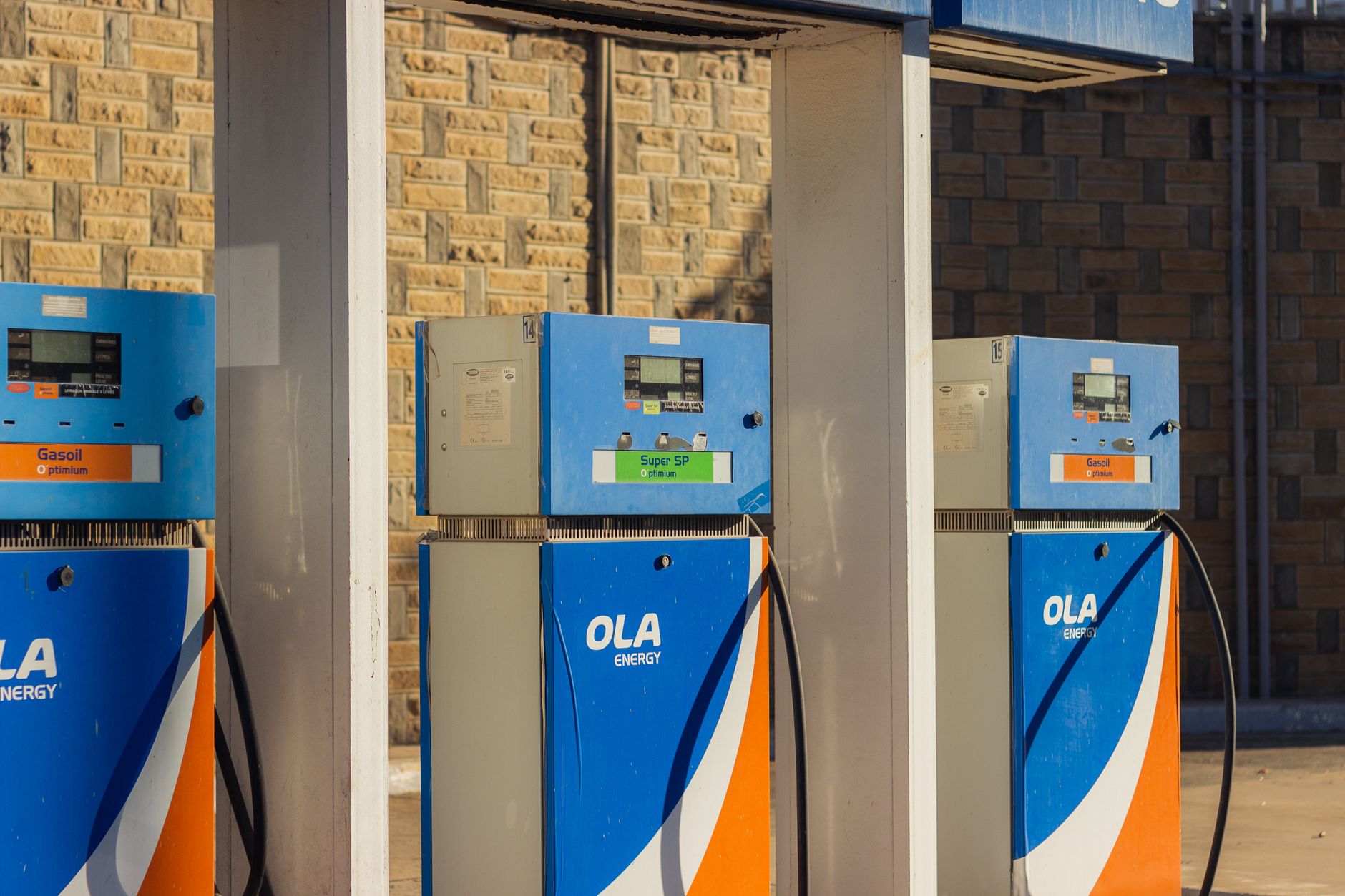
In a world increasingly familiar with economic fragility, the dwindling of global oil reserves stands as a stark reminder of our precarious energy balance. Recent declarations from industry titans like Chevron's Mike Wirth and Aramco's Amin Nasser have painted a worrying picture of the market's current state. According to Wirth, the buffer that once cushioned oil prices from erratic swings is now 'scarily thin'.
Data from the U.S. Department of Energy reveals that the Strategic Petroleum Reserve is at its lowest since October 1982, a clear indication of the strain on global inventories. This depletion is not merely a number on a chart; it represents increased vulnerability to price volatility, as geopolitical tensions and natural disruptions loom large.
Why It Matters
The thinning of oil reserves is not just a logistical concern but a strategic one. As Nasser pointed out, nearly three billion barrels of regional supply disruptions have made rebuilding these stockpiles a daunting task, potentially taking up to two years. This delay could leave markets exposed to further shocks, especially if geopolitical tensions remain unresolved.
The Strait of Hormuz, a critical chokepoint for oil transit, remains a focal point of concern. Any disruption here could have cascading effects, exacerbating the already fragile state of the market. With natural gas inventories also facing similar challenges, the energy sector braces for a period of heightened uncertainty.
Looking Ahead
The call to action is clear: rebuilding these reserves is imperative. However, the path forward is fraught with challenges, both technical and political. Industry leaders are advocating for strategic investments and international cooperation to stabilise the market. The coming years will test the resilience of global energy policies and the ability of nations to collaborate towards a more sustainable energy future.