Global Rivers Face Severe Water Shortages in 2025
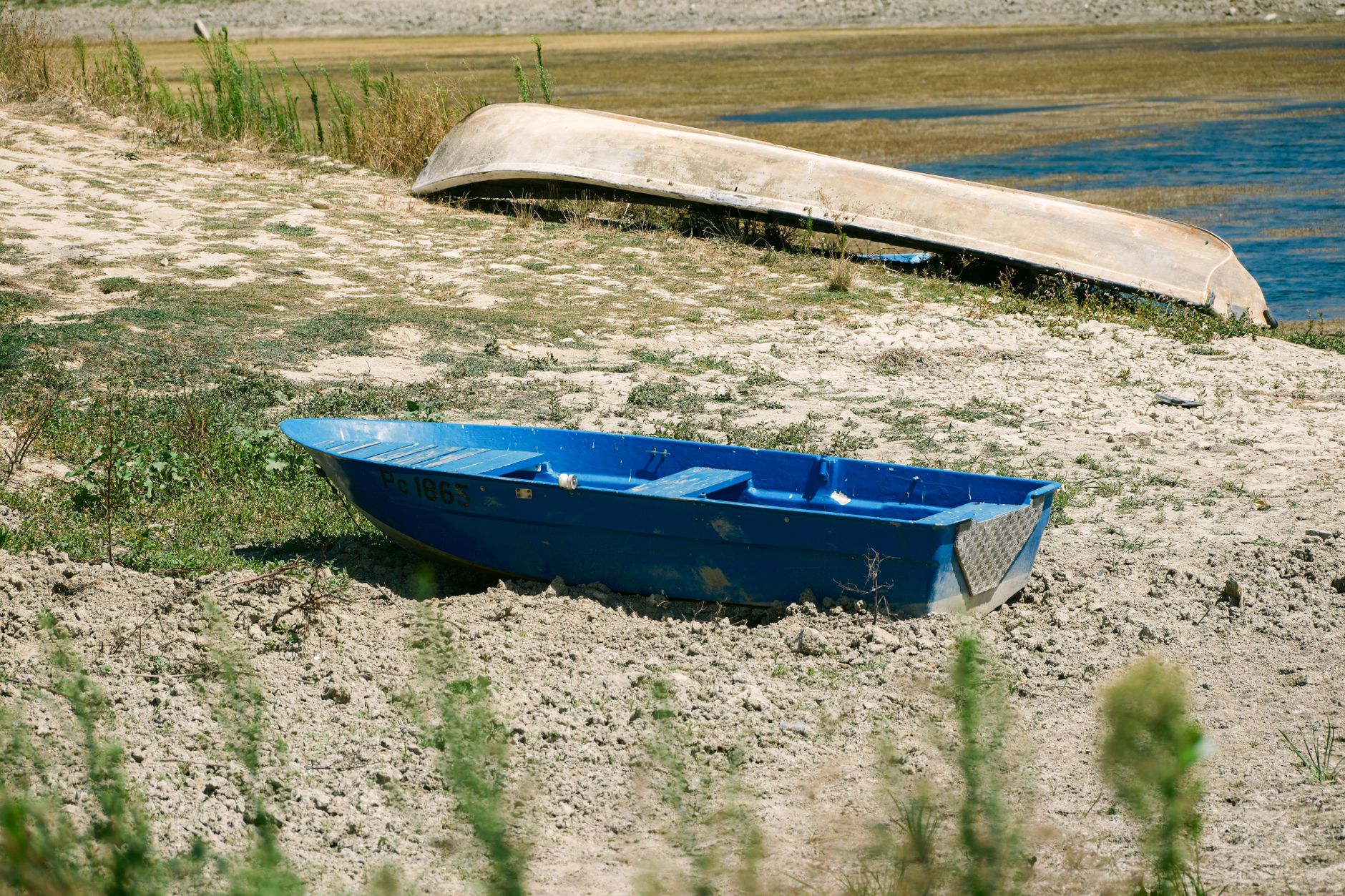
In a year characterised by record-breaking heat and rapidly shrinking glaciers, 2025 has also been marked as one of the driest years for the world's rivers in over three decades. The UN's World Meteorological Organisation (WMO) has sounded the alarm, revealing a startling 42% drop in global freshwater storage, a figure that underscores the gravity of climate change's impact on our planet's hydrological systems.
Rivers, the lifeblood of ecosystems and human societies alike, have been hit hard by a trifecta of threats: climate crisis-induced droughts, rampant pollution, and relentless overexploitation. These challenges have left more than a third of the world's river basins with below-normal water flows, severely impacting agriculture, industry, and domestic water supply.
Dr. Maria Neira, a senior scientist at the WMO, highlighted the broader implications of these findings. "This isn't just about dry riverbeds," she noted. "It's about the cascading effects on food security, health, and economic stability. As rivers dwindle, so too do the prospects for communities that rely on them."
The decline in river flows has been most pronounced in regions already vulnerable to water scarcity, such as parts of Africa and South Asia. Here, the combination of intense heatwaves and erratic monsoon patterns has exacerbated existing water crises, leaving millions in peril.
Addressing the Crisis
Experts advocate for a multi-pronged approach to tackle this growing issue. Strengthening international water management policies, investing in sustainable agricultural practices, and enhancing water conservation efforts are seen as vital steps. Moreover, innovative solutions such as rainwater harvesting and the restoration of wetlands could play a crucial role in replenishing depleted water sources.
However, these measures require global cooperation and significant financial commitment. As Dr. Neira emphasises, "Time is of the essence. Without immediate action, the ramifications will extend far beyond environmental degradation, threatening the very fabric of societies worldwide."
As 2025 closes its chapter as one of the driest years on record, the message is clear: safeguarding the world's rivers is no longer optional but essential for ensuring a sustainable future.