Global Unemployment Crisis: A Ticking Time Bomb
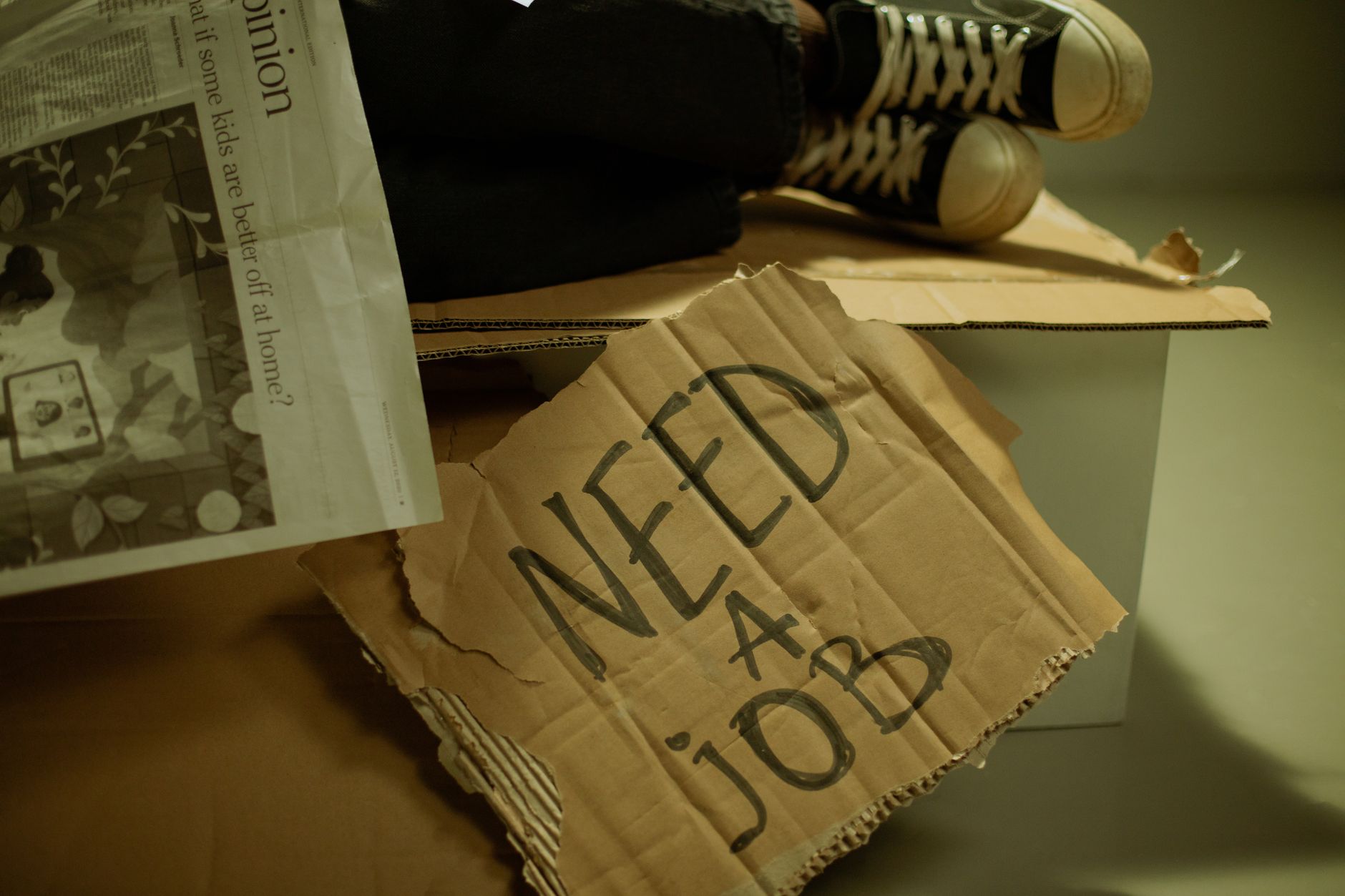
As the sun sets on a world still grappling with the aftershocks of a pandemic, a silent storm brews on the horizon—a crisis of unemployment that threatens to engulf the Global South. The World Bank has sounded the alarm with a stark warning: in the next decade, 1.2 billion young people will join the workforce, yet only a fraction of them will find viable employment.
Ajay Banga, the President of the World Bank, recently painted a grim picture of the looming catastrophe. According to forecasts, the global economy is poised to generate a mere 400 million jobs over the coming ten years. This leaves a staggering 800 million young souls potentially without work, a situation that could foster instability and thwart development across regions already struggling with poverty.
The AI Conundrum
Contrary to popular belief, artificial intelligence, often portrayed as the harbinger of mass unemployment, has not yet wrought the havoc anticipated. In developed countries, employment rates have remained relatively stable, suggesting that the integration of AI into industries is not as disruptive as feared. However, the Global South tells a different story. Here, the lack of infrastructure and resources to adapt to technological advancements could exacerbate unemployment woes.
The disparity in job creation between developed and developing nations raises questions about the global economic model. Are we on the brink of a division where only a part of the world reaps the benefits of technological progress, while the rest lags behind?
Seeking Solutions
Addressing this impending crisis requires a multifaceted approach. Investment in education and skill development tailored to the demands of a changing job market is essential. Moreover, creating an environment where entrepreneurship can thrive could be pivotal. Governments, international organisations, and private sectors must collaborate to build a resilient economic framework that accommodates the burgeoning youth population.
As the world watches, the clock ticks away. The question is not whether the crisis will hit, but rather how prepared we are to face it. Inaction could lead to a world divided by opportunity, with consequences that ripple far beyond economic metrics.