Gold Demand in Q2 2026: Trends and Forecasts
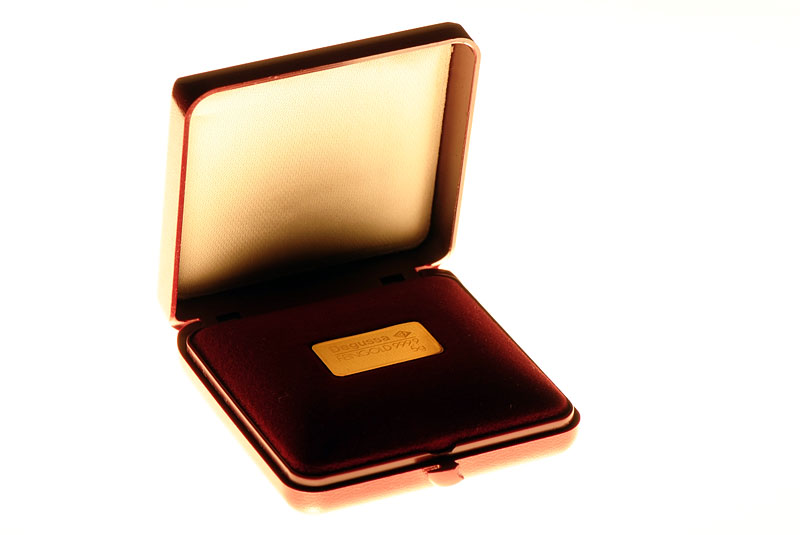
In a world that often dances to the tune of economic uncertainties, gold remains a steadfast player, reflecting the sentiments of investors across the globe. The second quarter of 2026 has been no exception, showcasing a tapestry of trends that underscore the nuanced dynamics of the precious metal market.
The London Bullion Market Association (LBMA) reported an average gold price of $4,506.29 per ounce in Q2, marking an 8% dip from the record highs of the first quarter. Yet, it is a figure that stands a striking 37% above the same period in 2025. This duality hints at a market both resilient and volatile, teetering on the edge of investor optimism and caution.
Global demand for gold bars and coins retreated slightly, falling by 3% to 307.1 tonnes compared to the previous year, according to the World Gold Council's latest report. This modest decline suggests a cautious stance among investors, perhaps influenced by shifting economic tides and geopolitical tensions.
Future Prospects and Market Sentiment
Despite the current contraction, the forecast for gold prices remains robust. Analysts from J.P. Morgan Global Research anticipate a surge beyond the $6,000 mark by the end of the year, with projections touching $6,300 per ounce in 2027. Such optimism is rooted in the enduring allure of gold as a safe haven, particularly amidst global economic uncertainties.
Historically, gold reached an all-time high earlier this year, peaking at $5,608.35 in January 2026. This record underscores the metal’s intrinsic value and its role as a bulwark against inflation and currency volatility.
The Broader Economic Context
The price fluctuations and demand shifts in Q2 2026 reflect broader economic narratives. As central banks grapple with inflationary pressures and geopolitical tensions simmer in various corners of the globe, gold's appeal as a hedge remains undiminished. The steady supply of 1,269 tonnes in Q2 further highlights the balance between mining output and market needs.
In essence, the gold market of 2026 is a microcosm of global economic sentiment, mirroring both optimism and caution. As the year progresses, the interplay between these forces will undoubtedly continue to shape the narrative of this timeless commodity.